
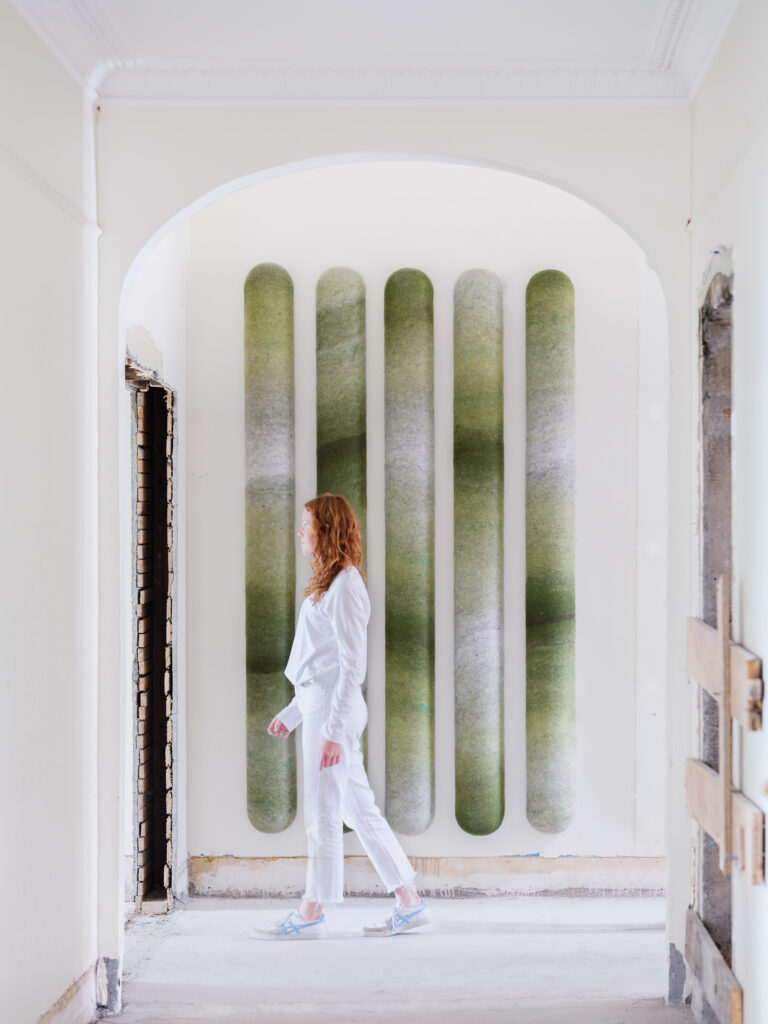
In Reykjavik’s creative landscape, textile artist and designer Bryndís Bolladóttir has built a design practice that bridges the austere beauty of Iceland’s natural environments with the acoustic science that shapes modern interiors.
Her company, Kula by Bryndís, operates as both a creative studio and a sustainable manufacturing enterprise, producing handcrafted sound-absorbing objects that achieve international certification standards while maintaining a distinctly poetic, landscape-inspired aesthetic.
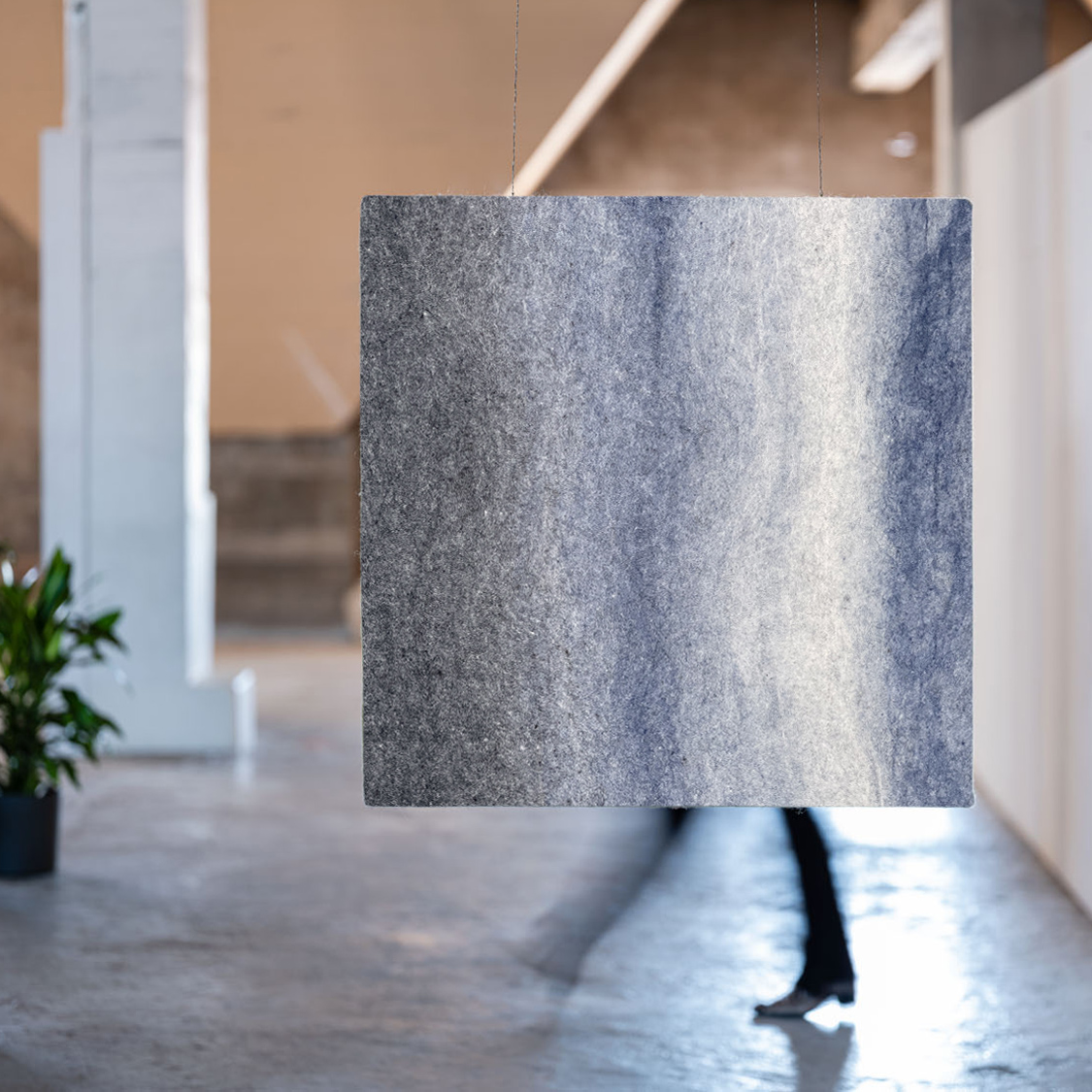
Bolladóttir’s work emerges from a fundamental belief: interior environments should nourish, not exhaust. In a world of constant sensory stimulation, she argues that spaces can be designed to reduce noise pollution and create psychological stillness.
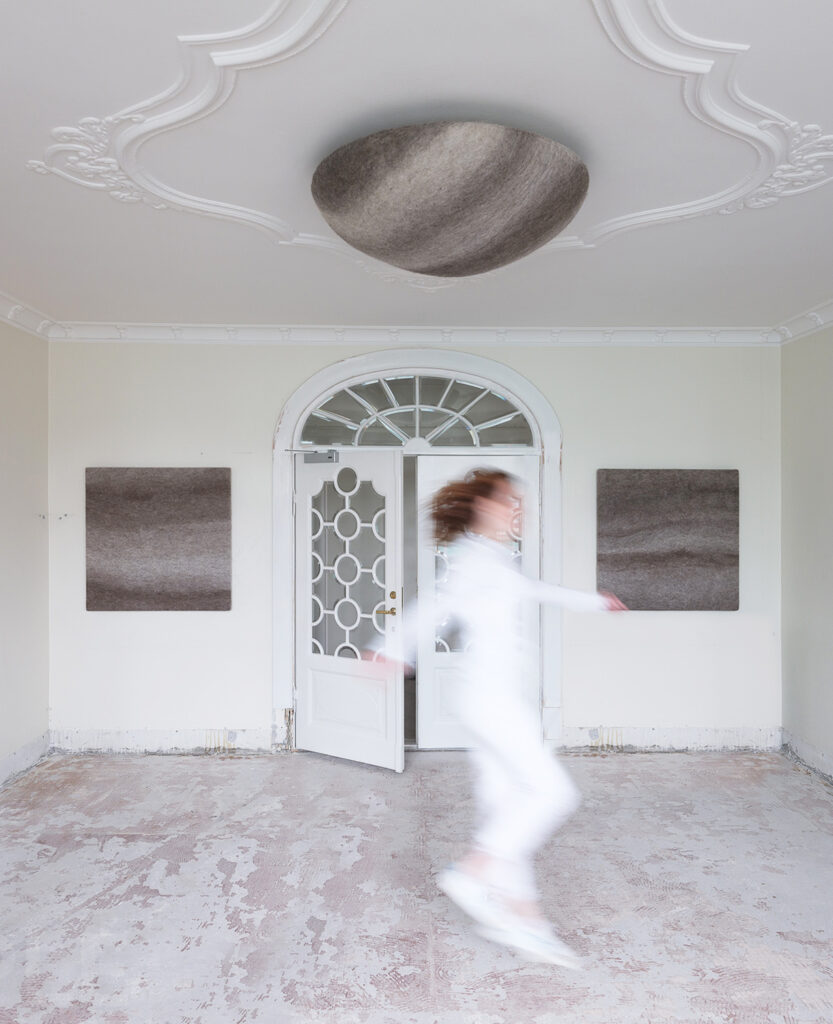
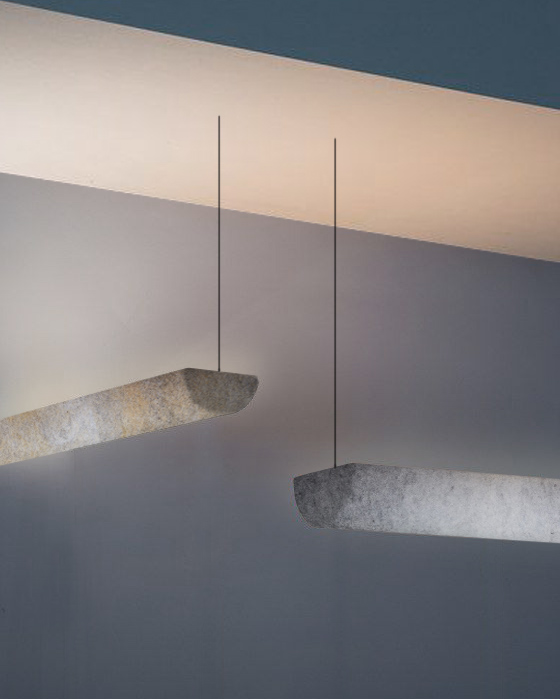
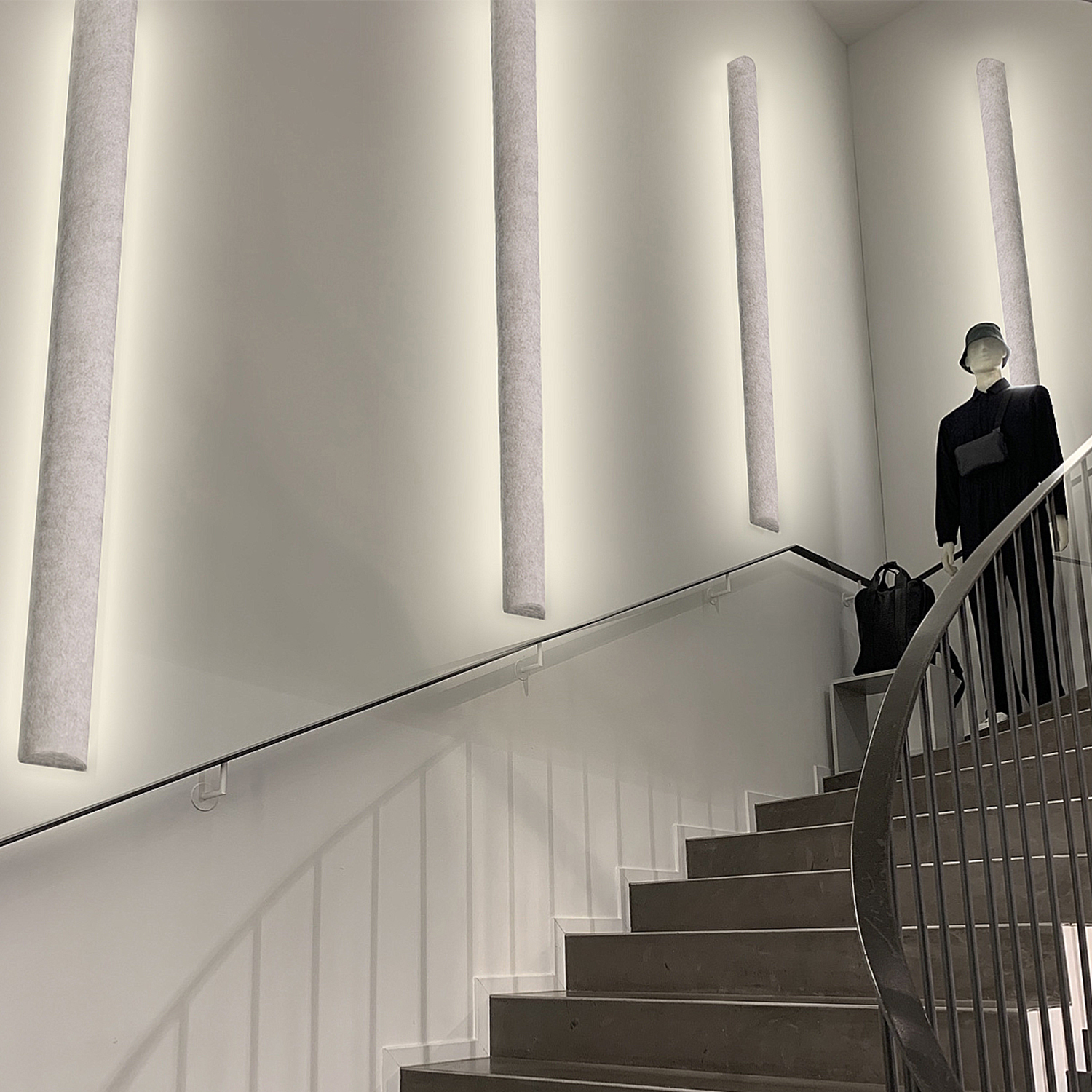
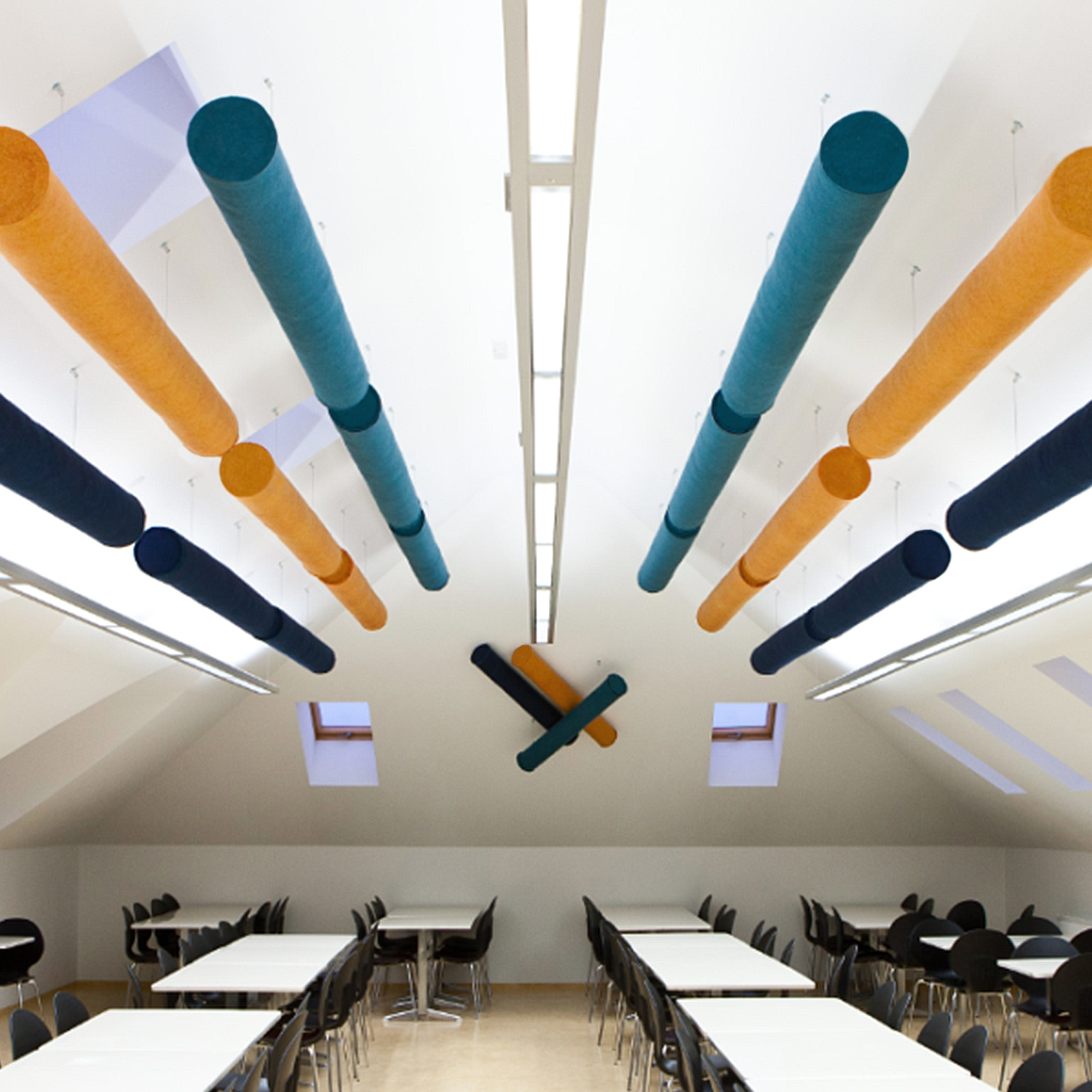
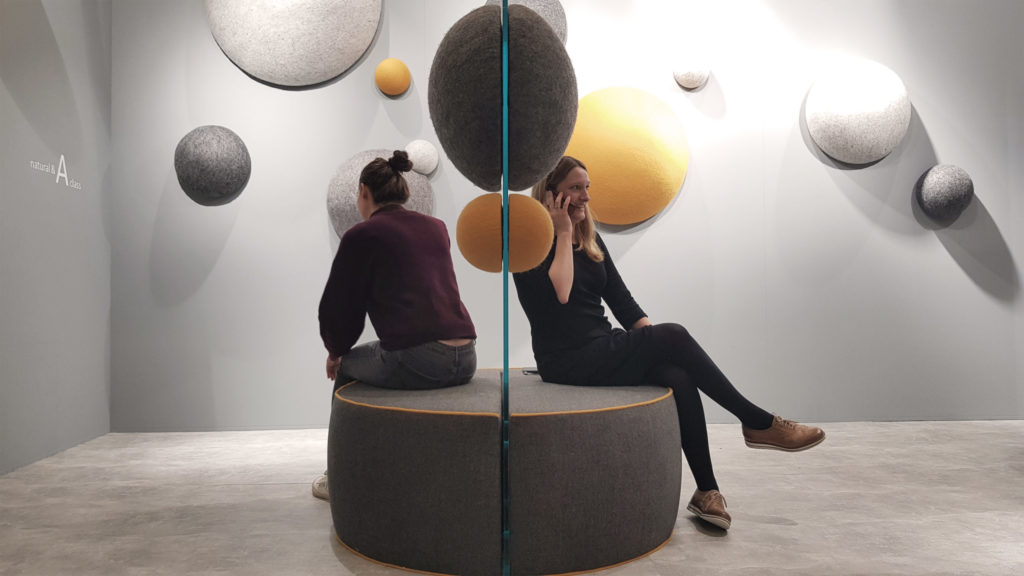
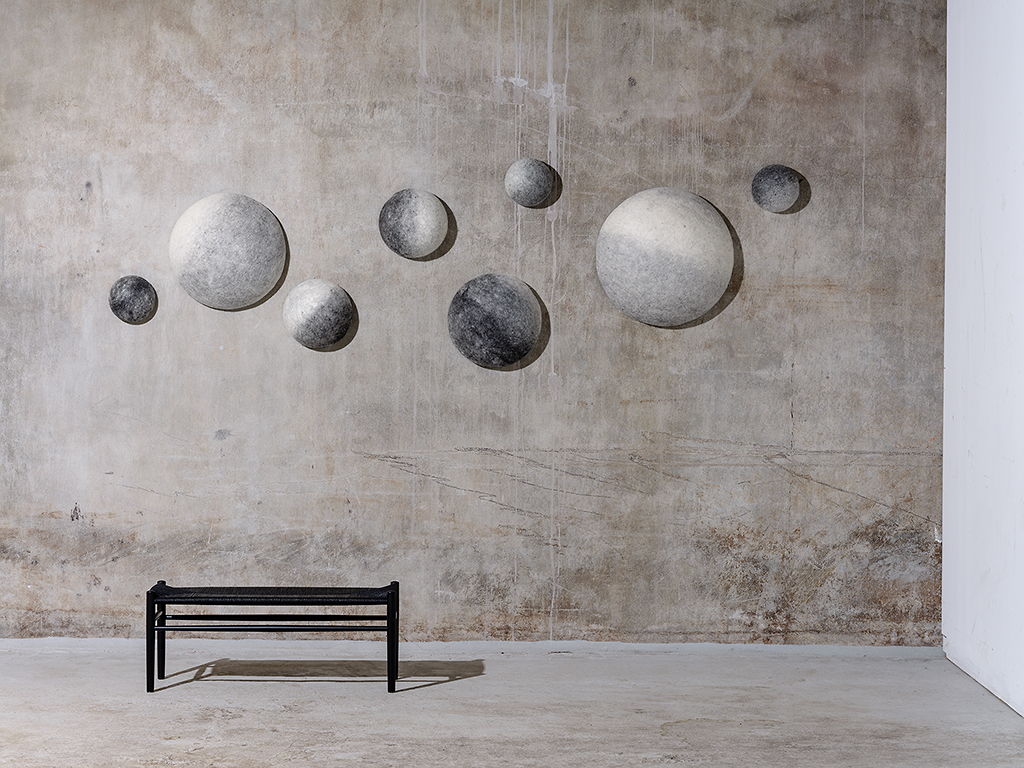
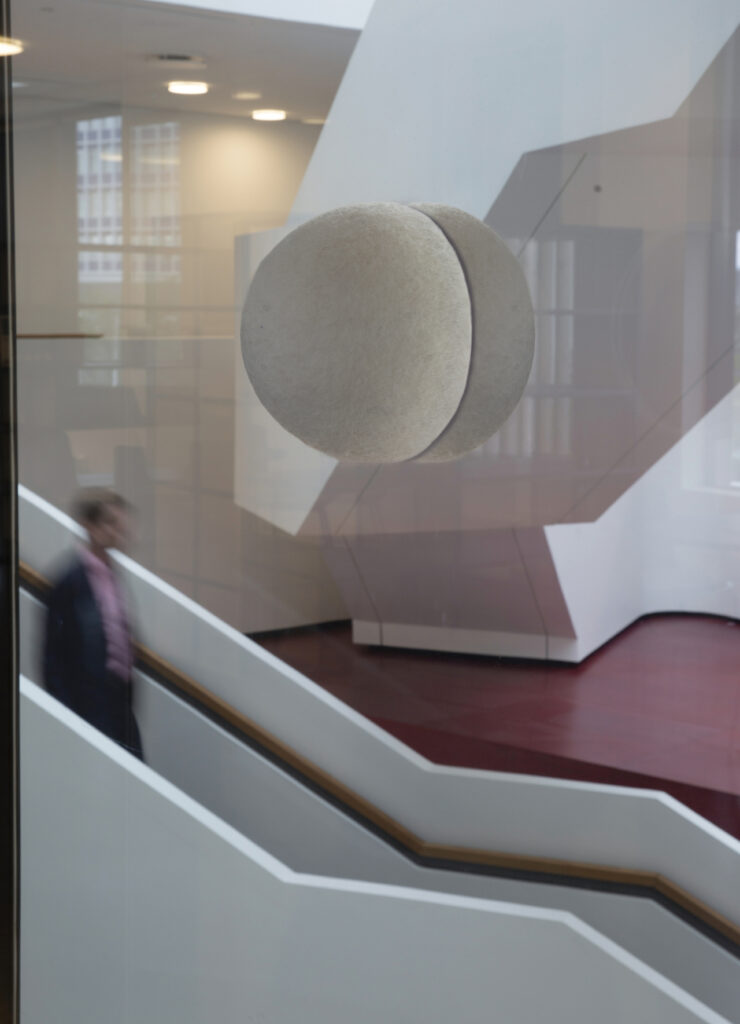
This philosophy drives her approach to material selection, form development, and colour palette creation. Every object bearing the Kula name—whether a wall-mounted sphere, a cylindrical suspension, or a textile installation—carries the same underlying intention: to bring tranquillity indoors.
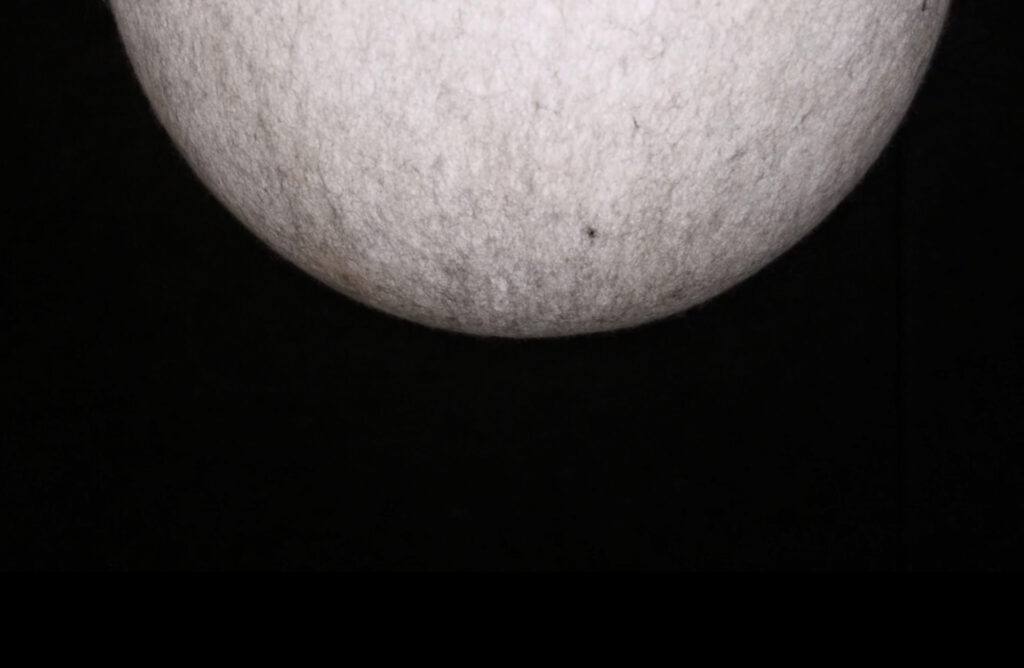
The designer’s background in textile arts shapes her material thinking. Rather than reaching for synthetic foam or industrial alternatives, Bolladóttir committed two decades ago to working exclusively with Icelandic wool. This choice reflects both practical knowledge and cultural reverence. Icelandic sheep produce wool with unique dual-fibre architecture: long, glossy outer fibres that shed water, and soft, insulating inner fibres that trap air. When felted using traditional techniques, this wool achieves superior acoustic absorption while maintaining the irregular, tactile imperfection that characterizes handmade objects.
Landscape as Language
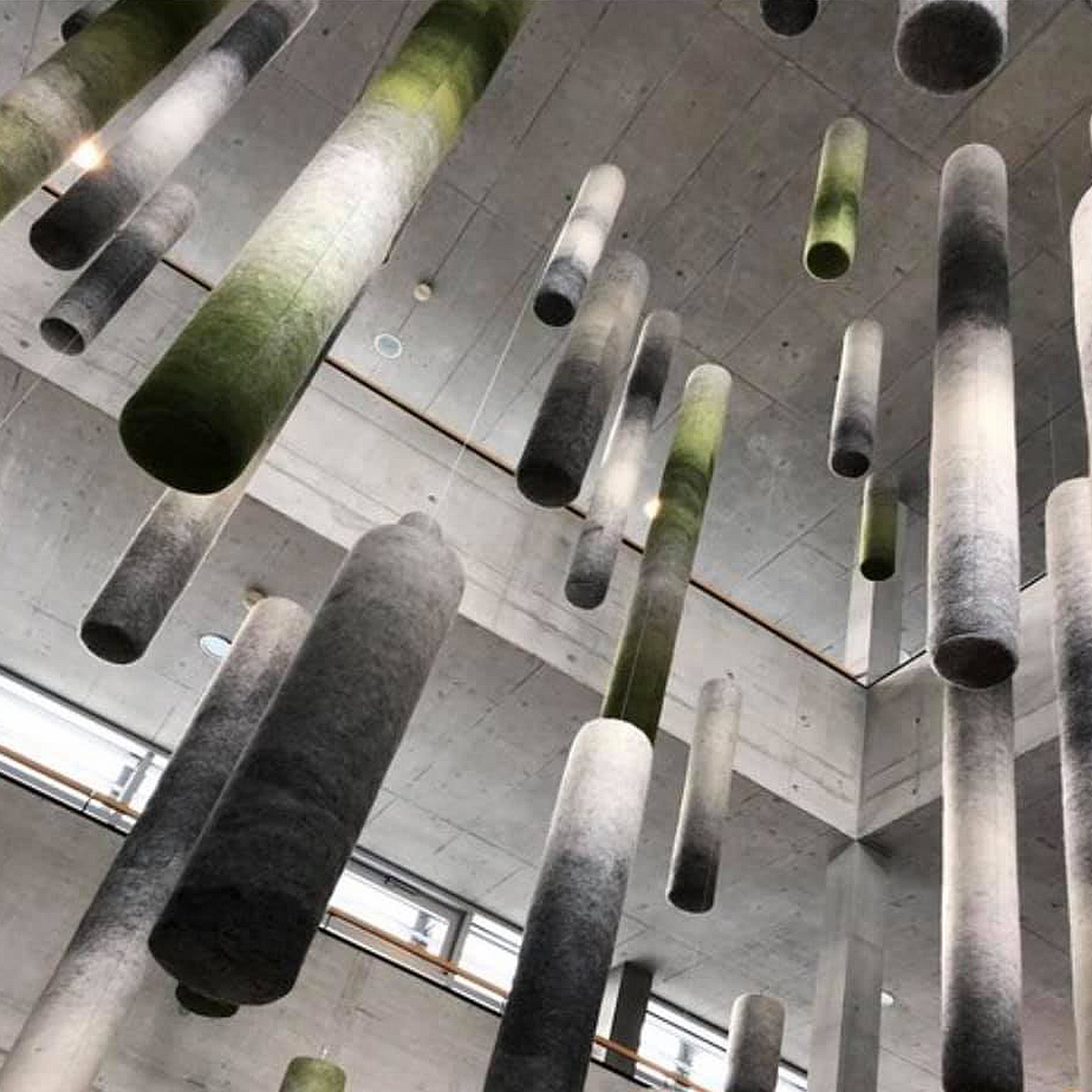
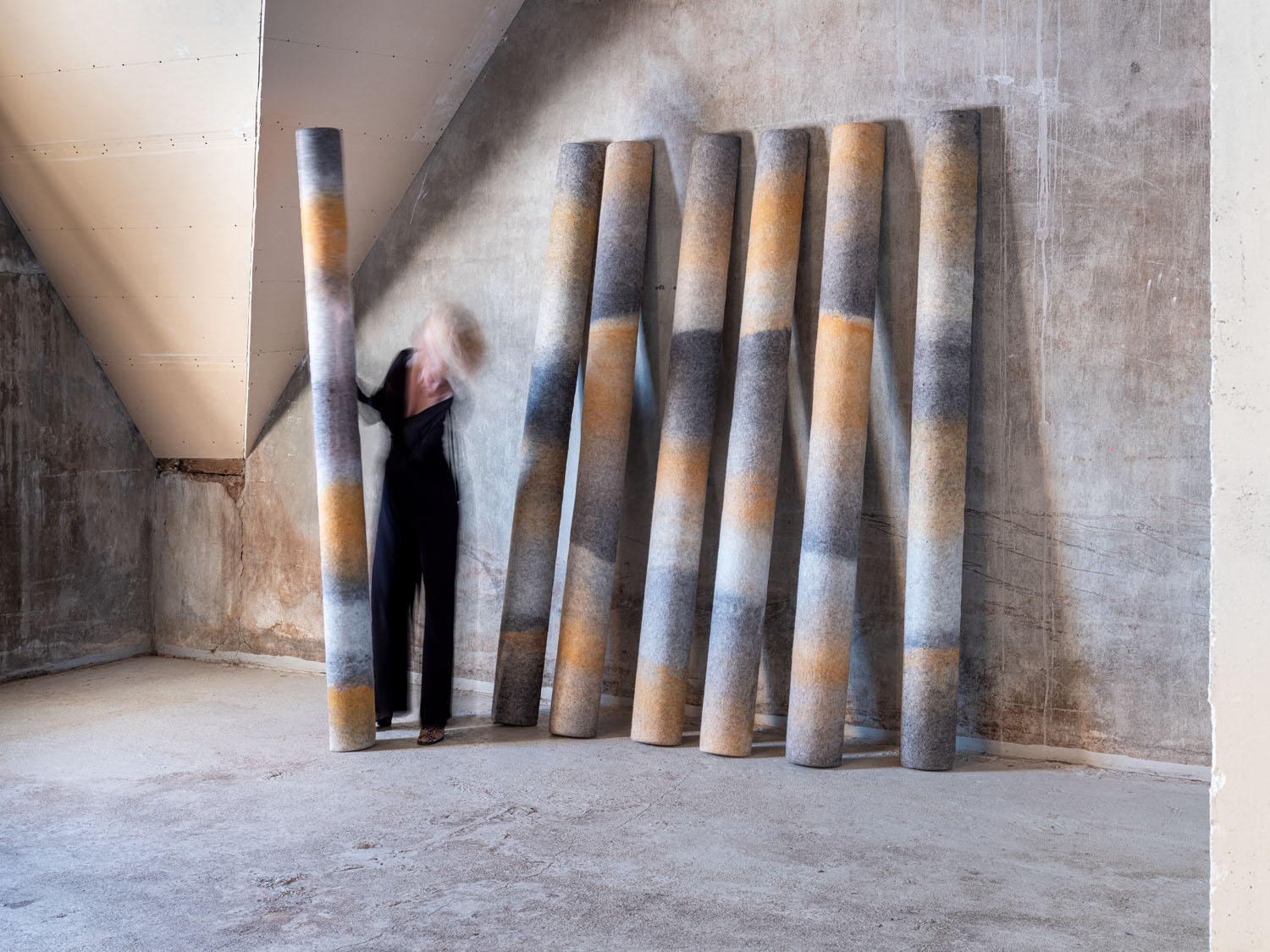
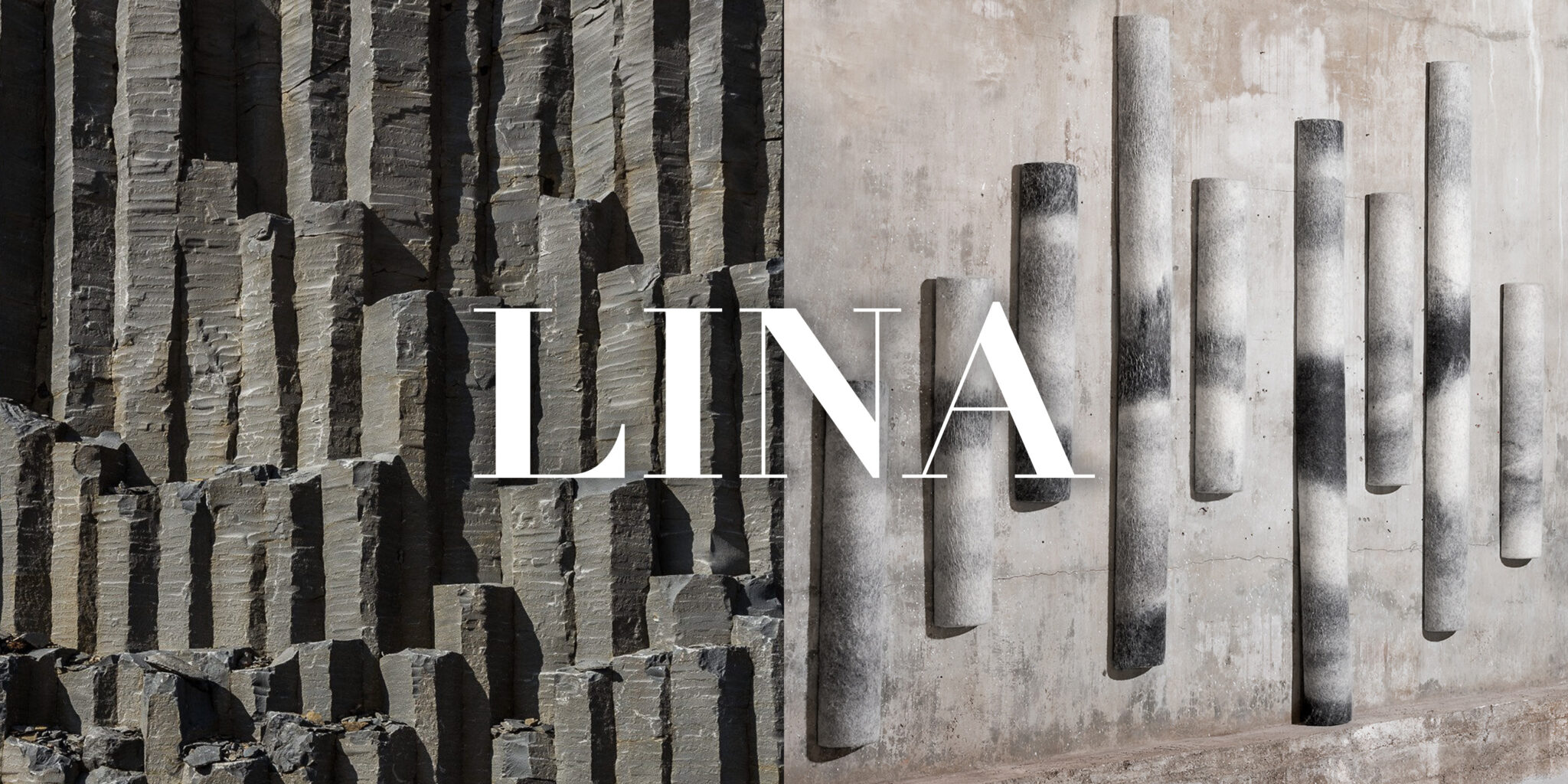
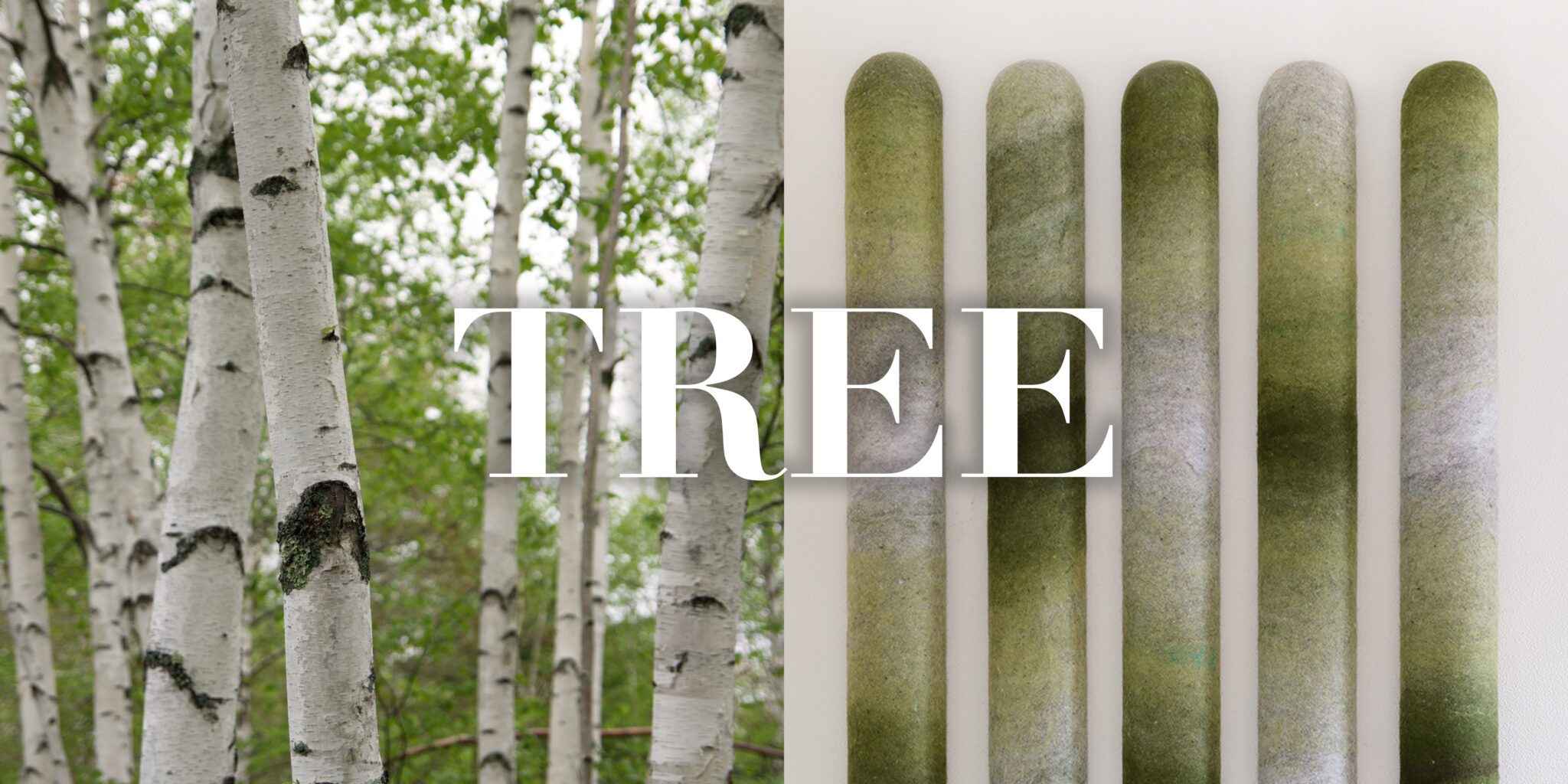
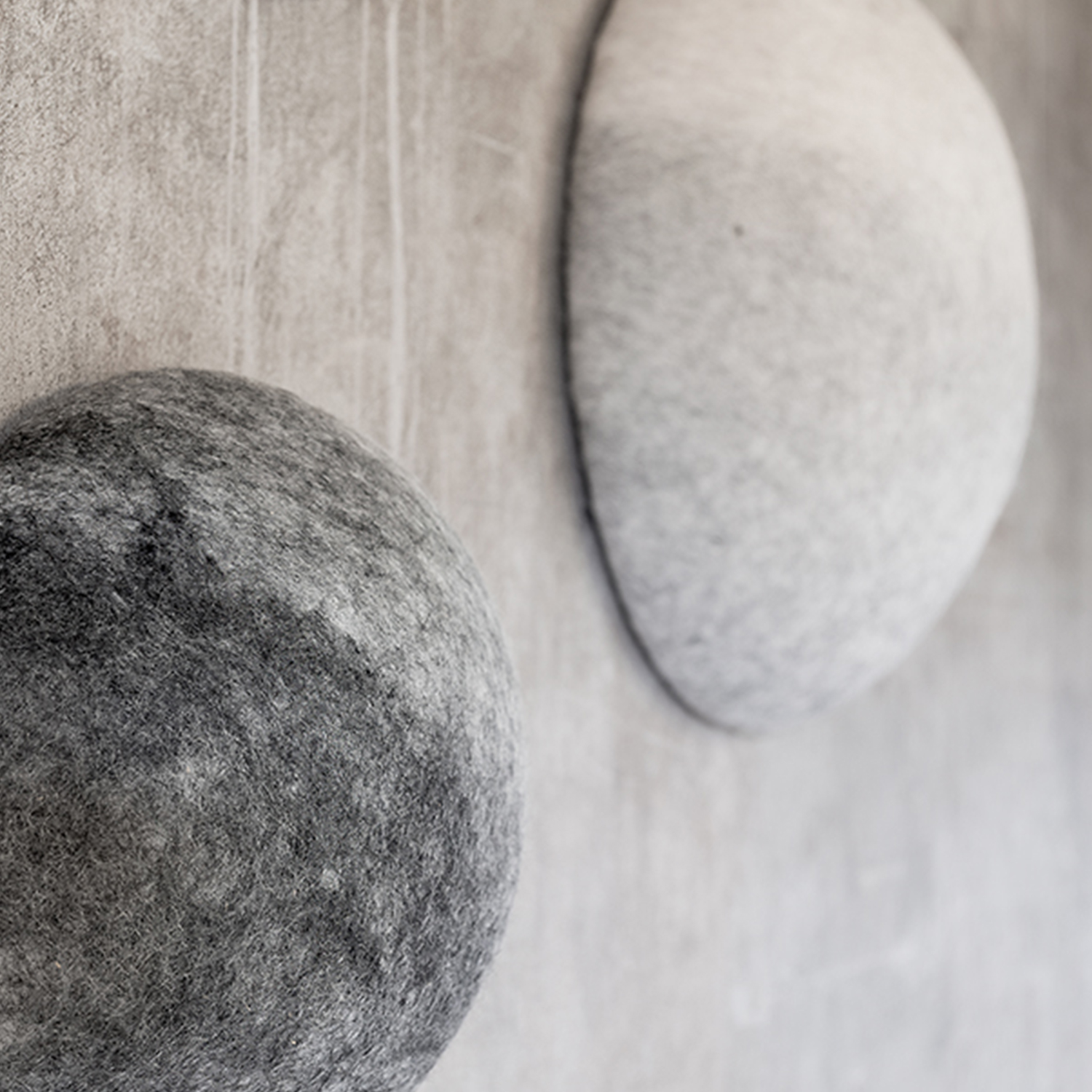
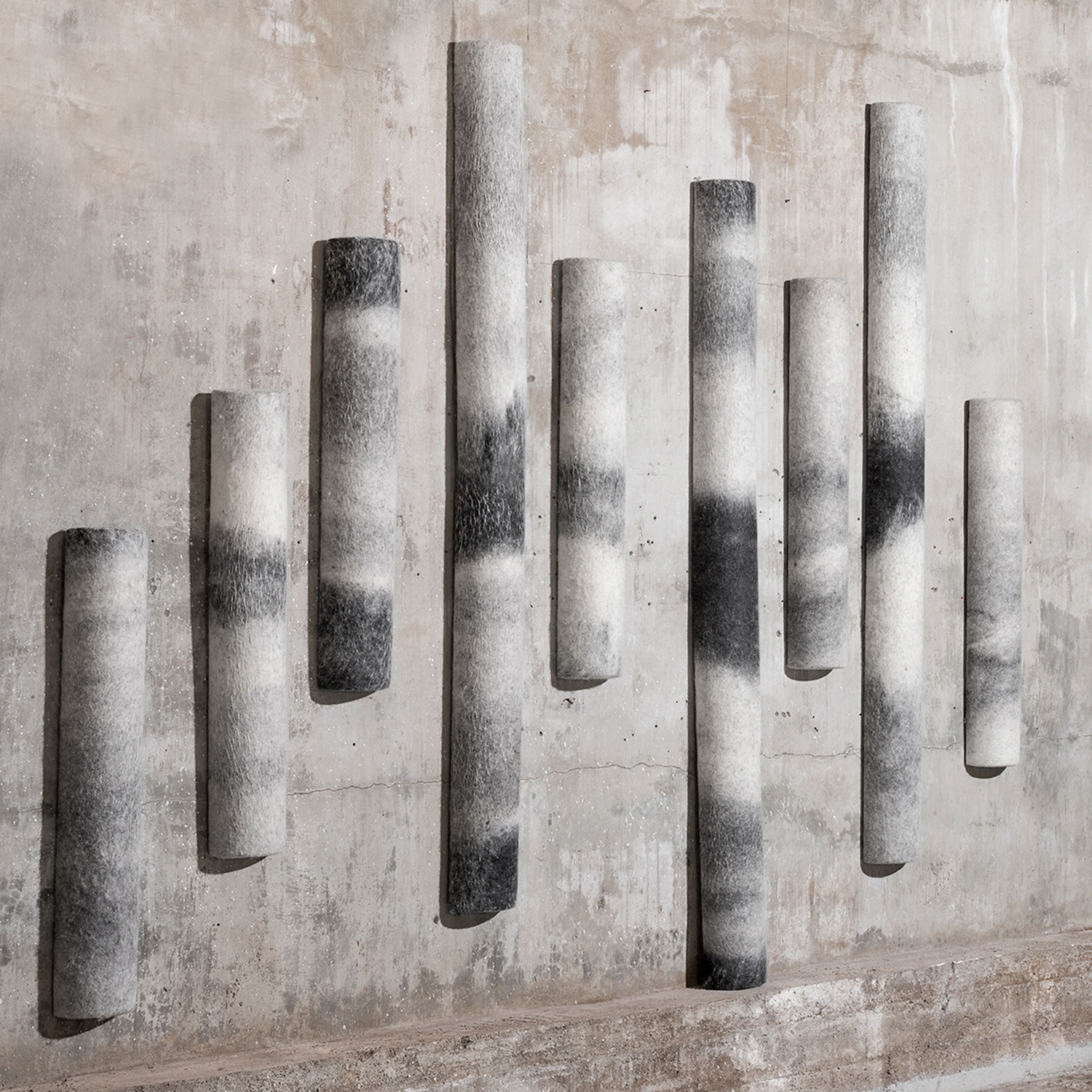
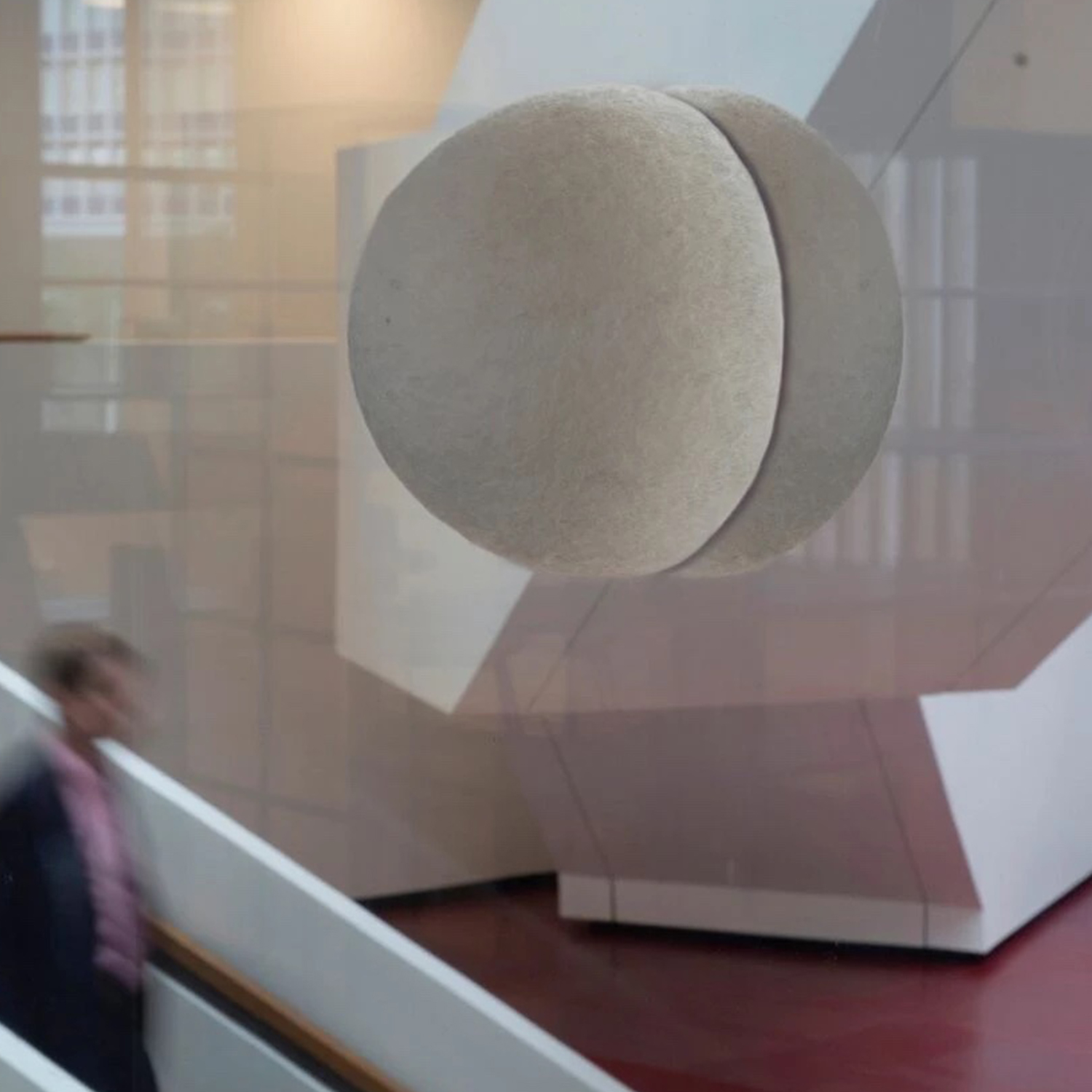
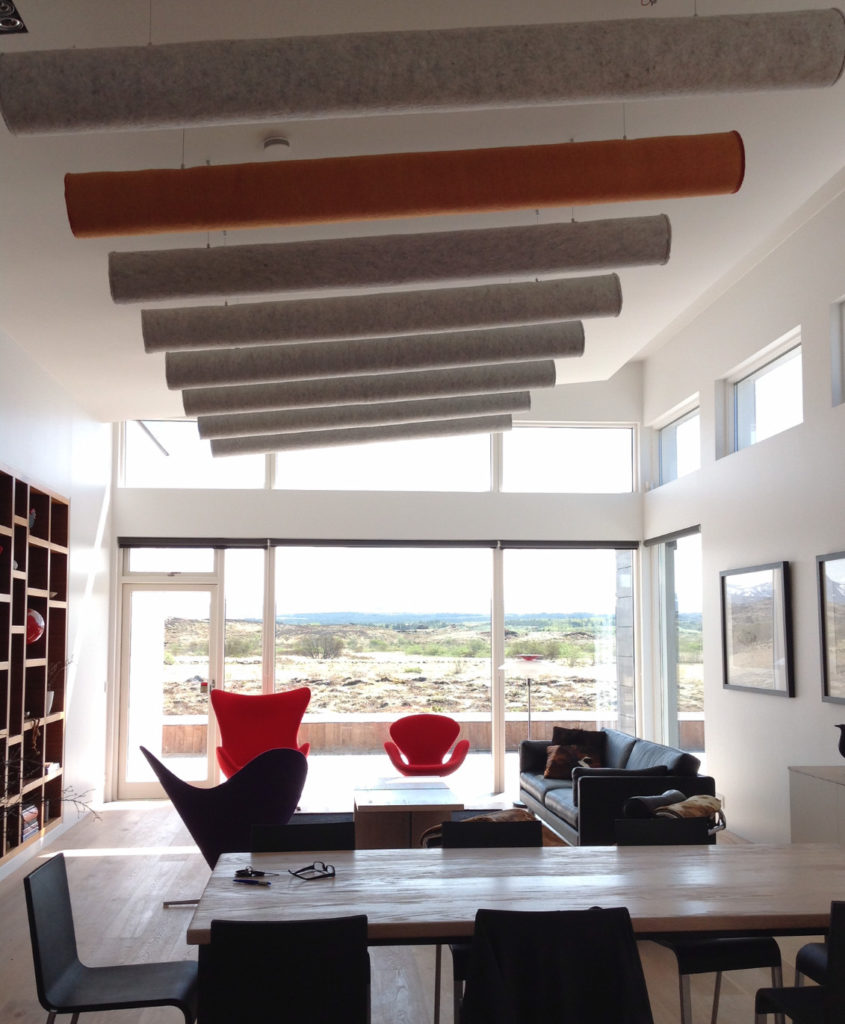
Walk through Kula’s Reykjavik studio on Laugavegur and you encounter a visual lexicon drawn directly from Iceland’s geography. Product names reference geological features—moss, glaciers, hot springs, lava fields—and their forms echo the sculptural drama of the landscape itself. Spheres suggest volcanic rock; cylinders recall basalt columns; textured surfaces mirror weathered stone. This is not decorative metaphor but a deliberate design strategy: by making the landscape tangible, Bolladóttir helps interiors communicate a sense of place and natural belonging.
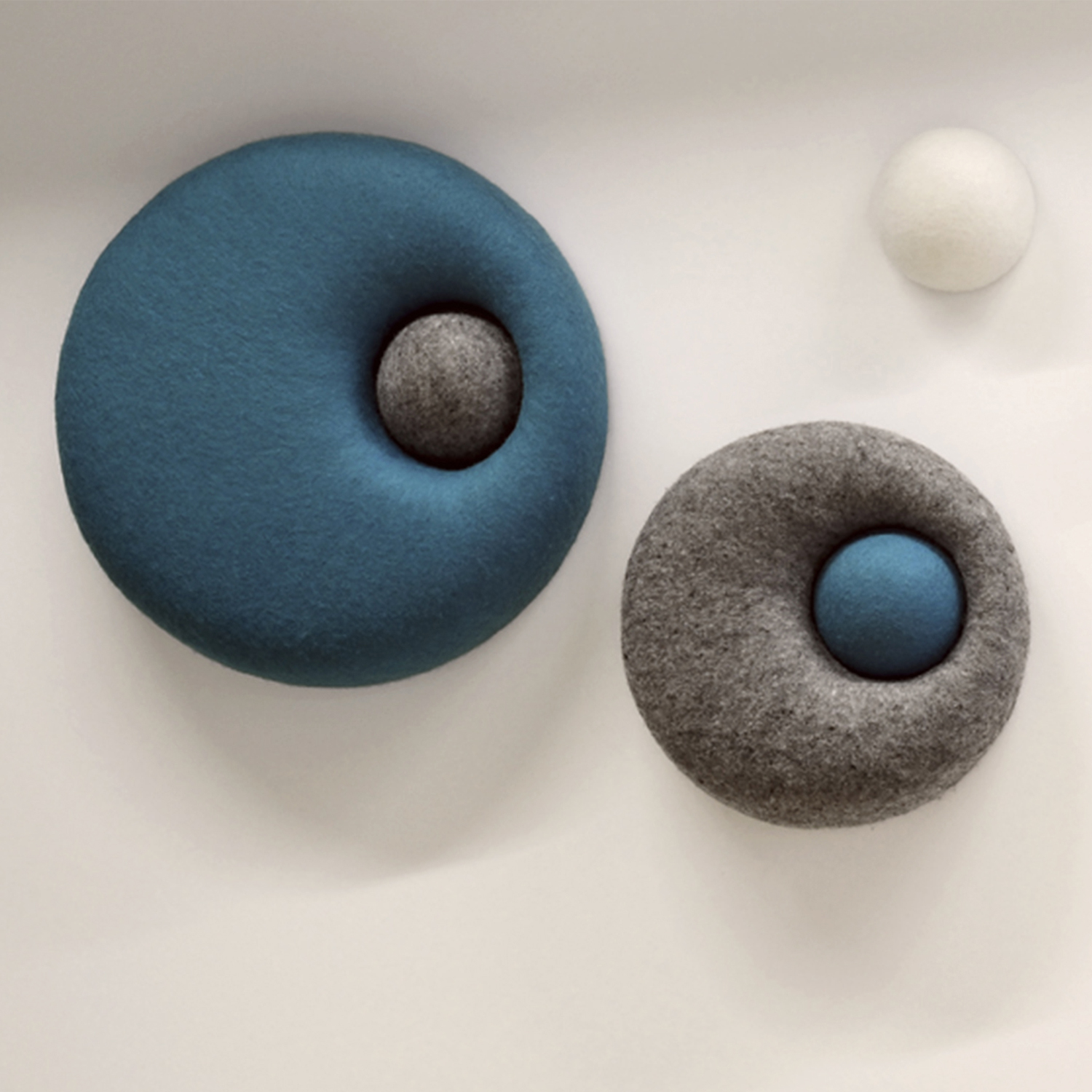
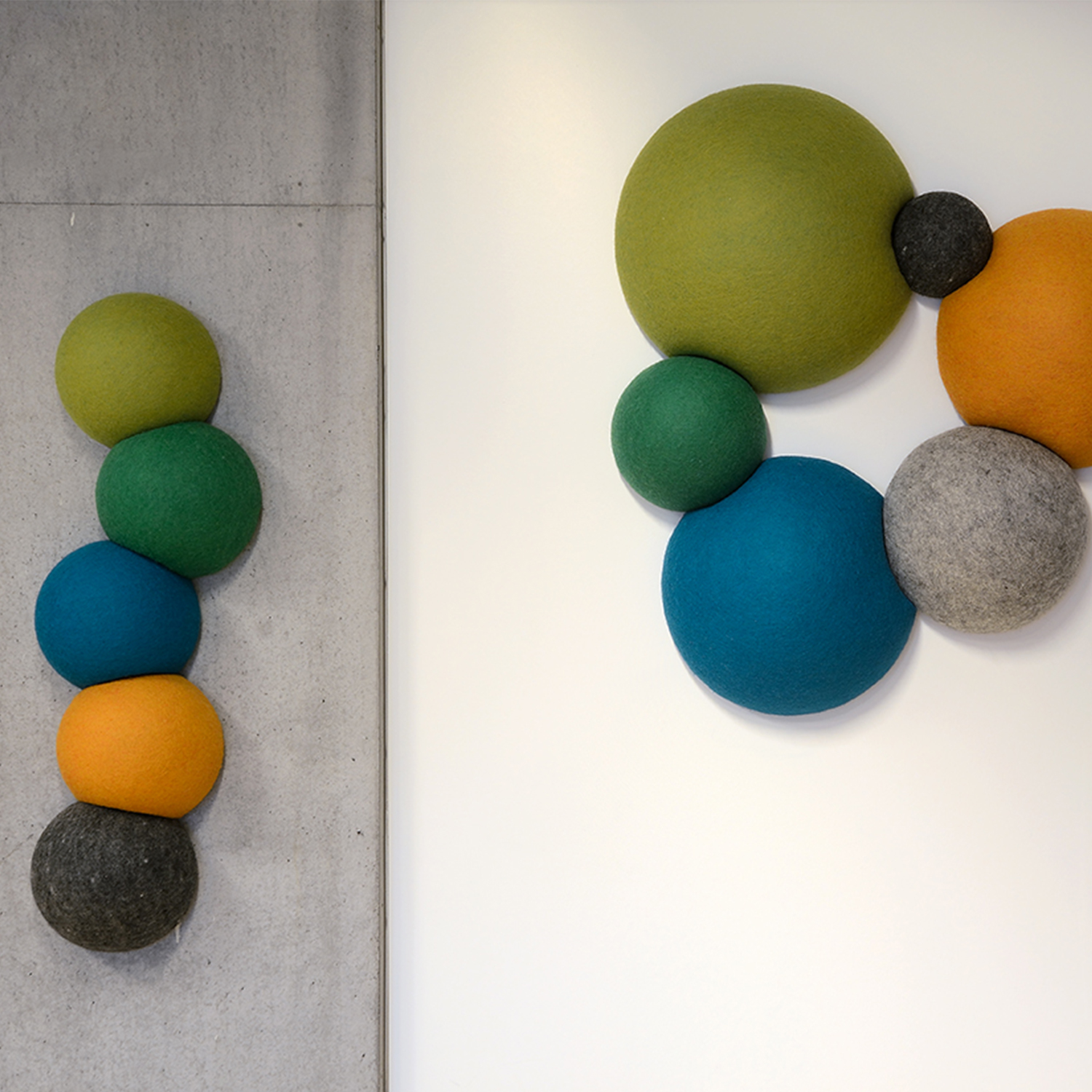
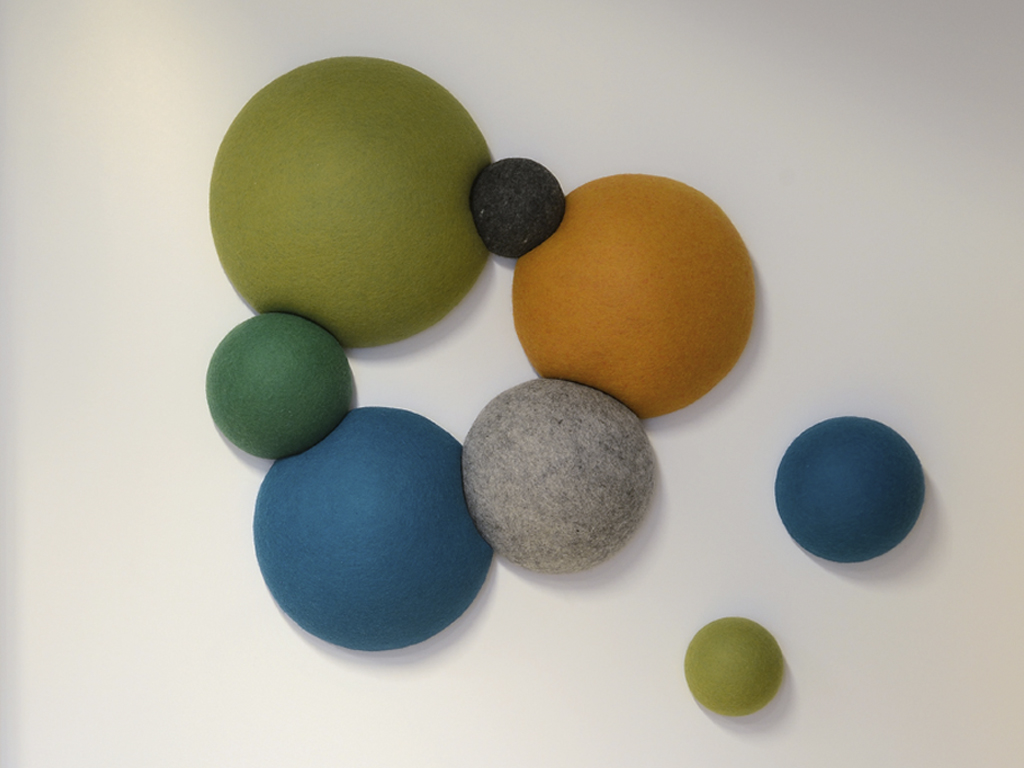
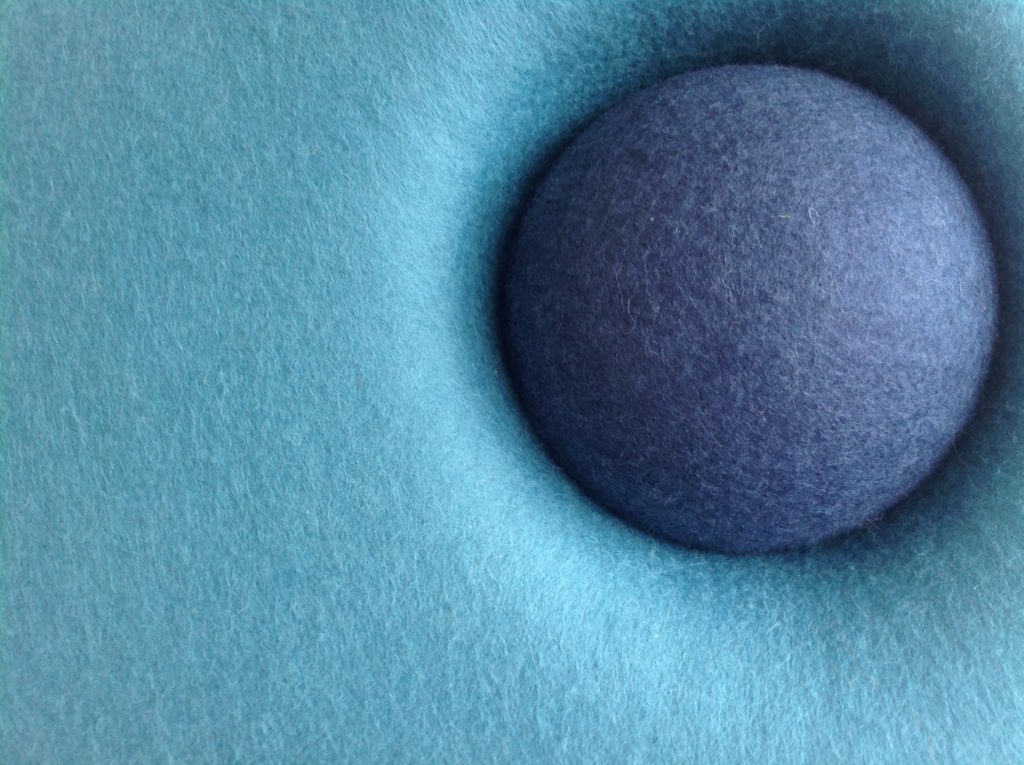
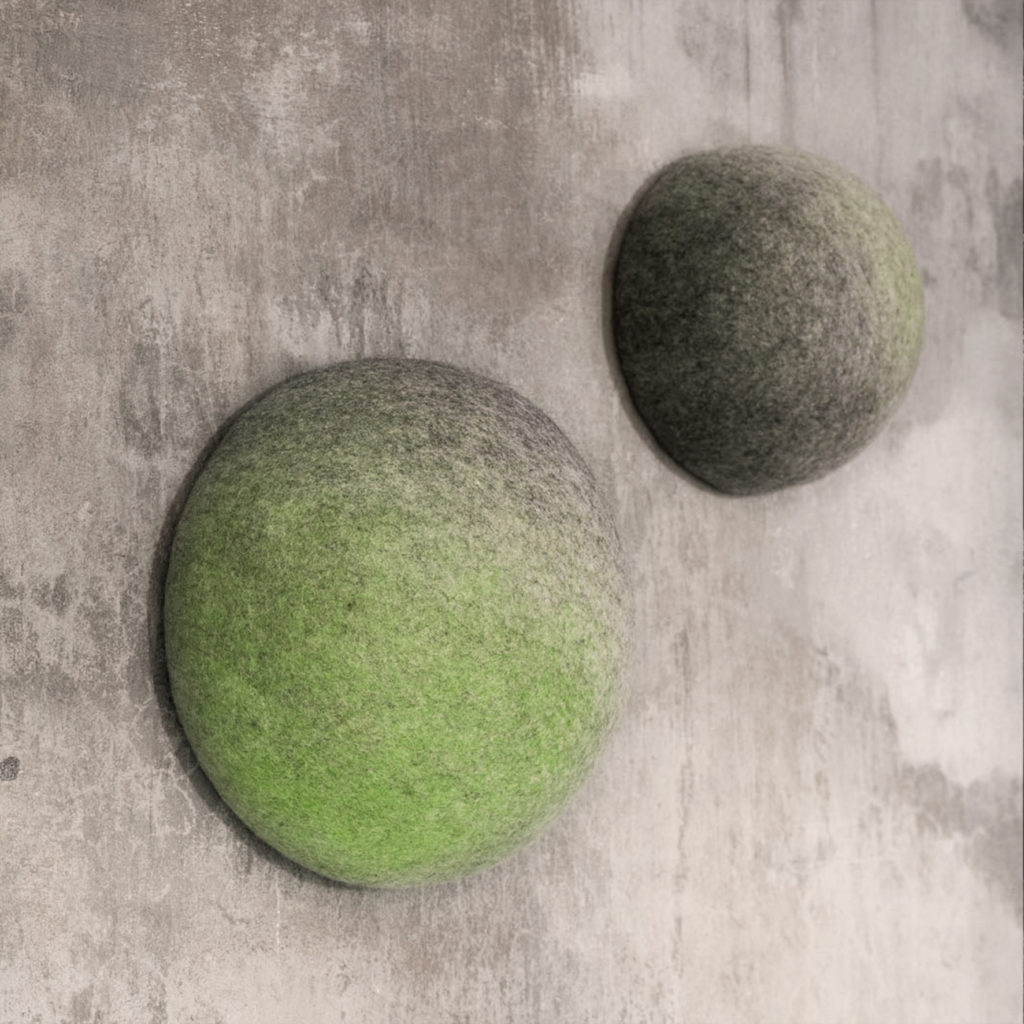
The colour palette reflects the same sensibility. Kula products arrive in over 20 hues, many drawn from Icelandic natural phenomena—ash greys, lichen greens, volcanic blacks, and the subtle warm tones of dried grass. These are colours that whisper rather than shout, that harmonize with rather than compete against architectural surfaces.
Acoustic Engineering Meets Craft
Kula’s credibility rests on more than aesthetics. Each product line undergoes rigorous acoustic testing and carries Class A certification under international sound-absorption standards (ISO 11654). For architects and acoustic engineers, this means Kula pieces function as legitimate acoustic interventions, not merely decorative objects. For designers and end-users, it means the visual pleasure and tactile warmth are paired with measurable environmental benefit.
This dual commitment—to craft tradition and scientific performance—defines Bryndís’s design ethos. She refuses the false choice between beauty and function, between cultural authenticity and technical credibility. Her products prove that these qualities can coexist, that sustainability and performance need not require compromise.
Sustainability and Slow Production
Kula operates within the “slow fashion” framework, intentionally resisting mass-production economies. Each piece is handcrafted using wool sourced from Icelandic farms, felted in Reykjavik using traditional techniques, and assembled by skilled makers. The studio maintains small production runs, accepting that scarcity and uniqueness are features, not flaws. Even within a single colour, variations occur—the irregular perfection that comes from hand-working natural material.
This approach extends to material waste. Bolladóttir sources third-grade wool that would otherwise be discarded by larger textile operations, proving that sustainable design often means seeing value where industrial processes see only surplus. By creating desirable objects from byproduct materials, she demonstrates that environmental responsibility and aesthetic excellence can be inseparable.
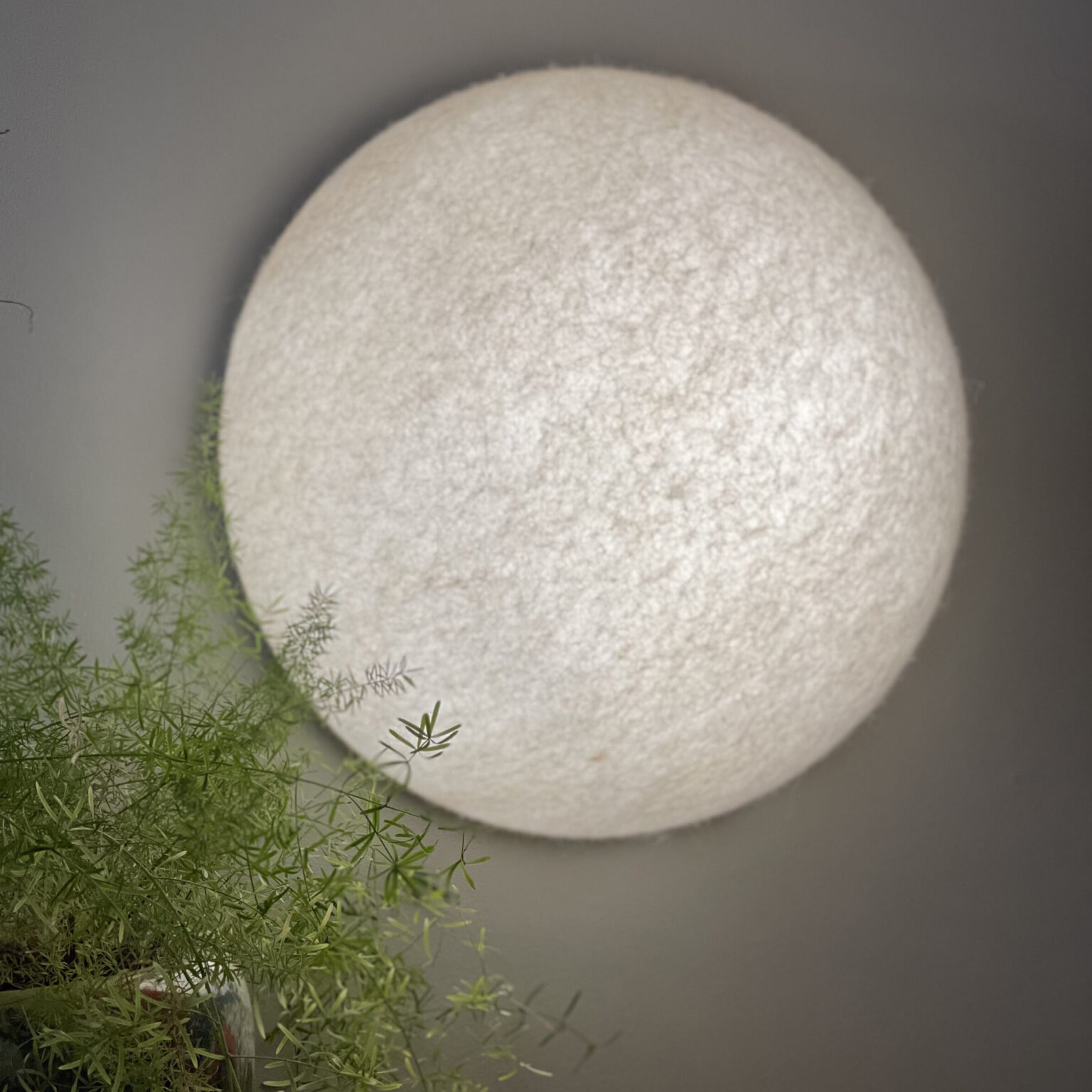
Global Recognition, Local Roots
Despite her Reykjavik base and Icelandic material focus, Bolladóttir’s work has achieved international distribution. Kula products are specified by architects and designers across Scandinavia, the UK, the Netherlands, and Denmark. The studio collaborates with established Nordic design companies including Normann Copenhagen, extending her product range while maintaining her core aesthetic vision.
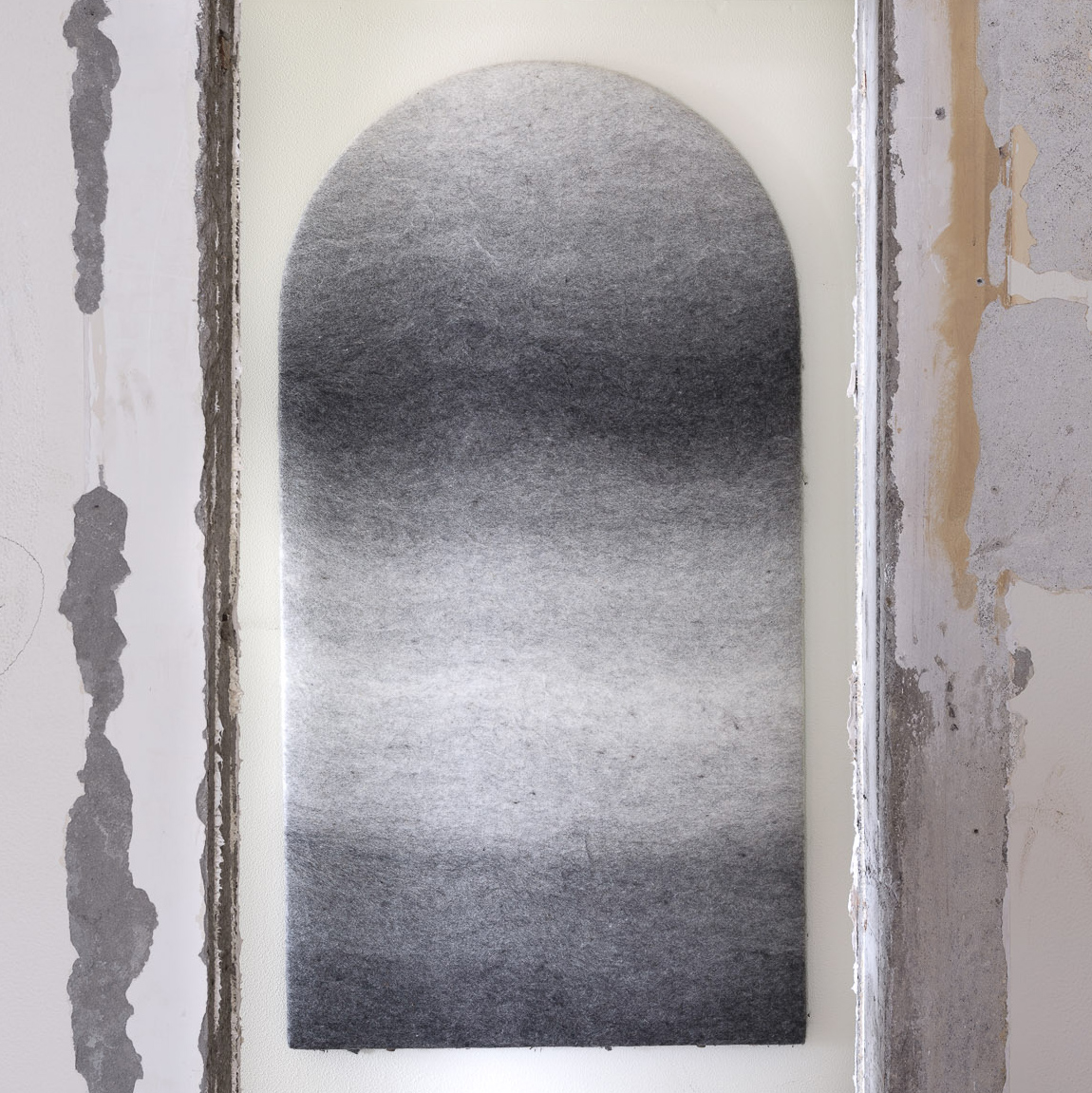
Recent years have seen Bolladóttir expand into large-scale art installations and research-based exhibitions. These projects investigate the relationship between light, sound, and spatial perception—themes that occupy her increasingly as she develops her practice beyond commercial production.
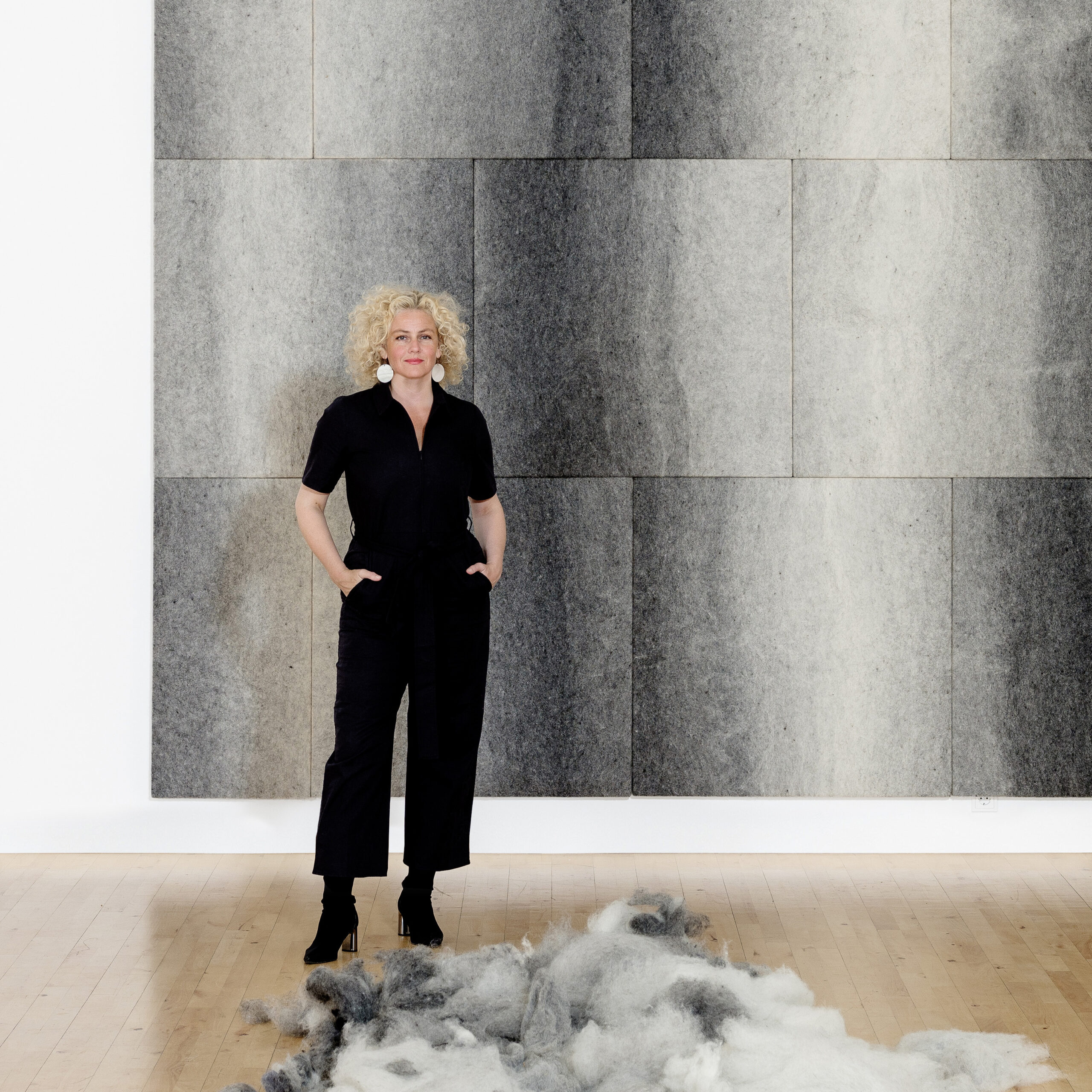
Bryndís Bolladóttir’s work resists easy categorization. She is simultaneously a textile artist, an acoustic engineer, a sustainability advocate, and a landscape interpreter. Kula by Bryndís demonstrates that these identities need not conflict. Instead, they reinforce one another, creating a design practice grounded in material knowledge, environmental conviction, and a profound respect for both natural beauty and human psychological need. In a design landscape often dominated by technological novelty and disposable aesthetics, her commitment to slowness, place-specificity, and quiet functionality feels increasingly essential.
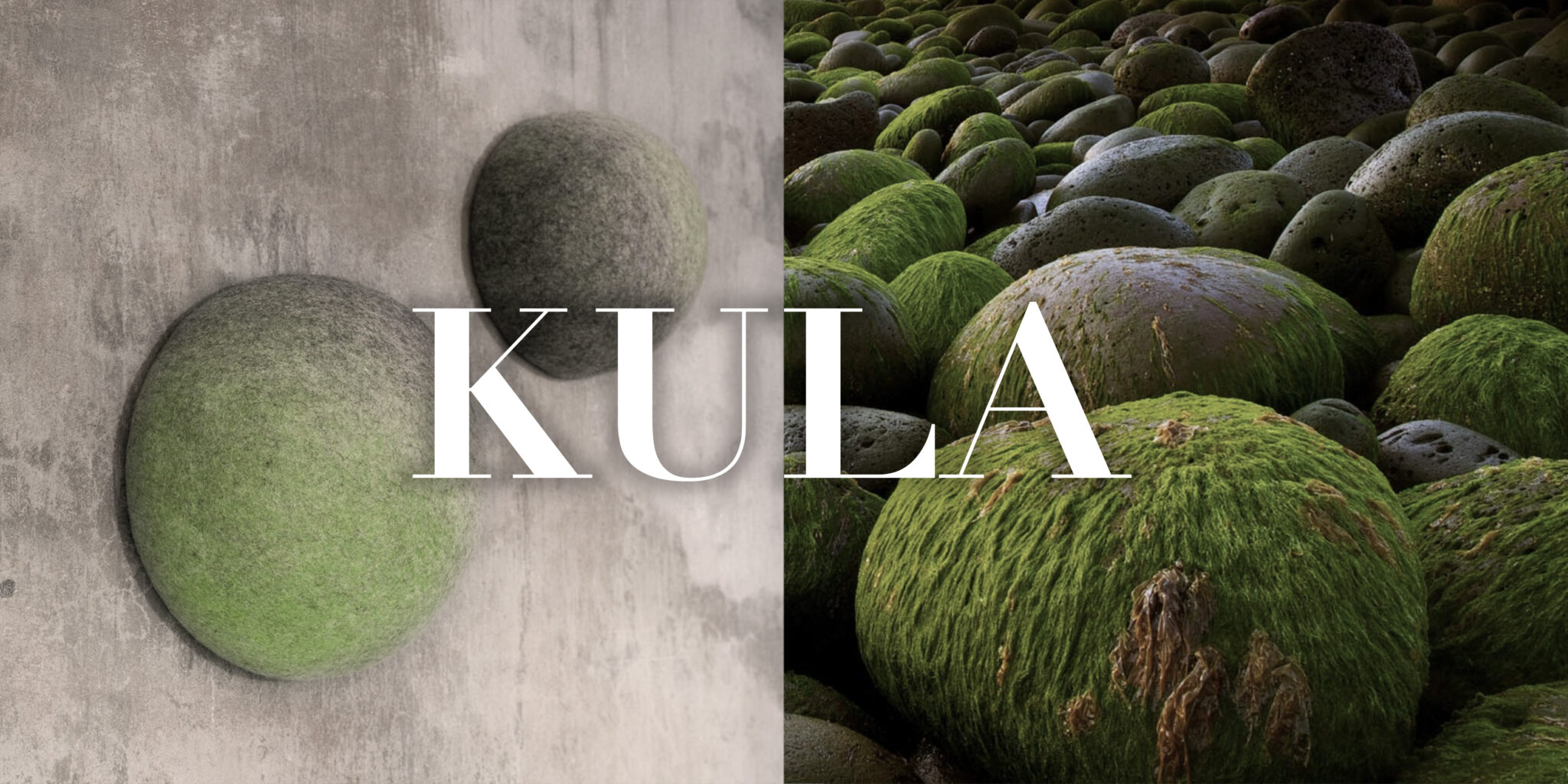
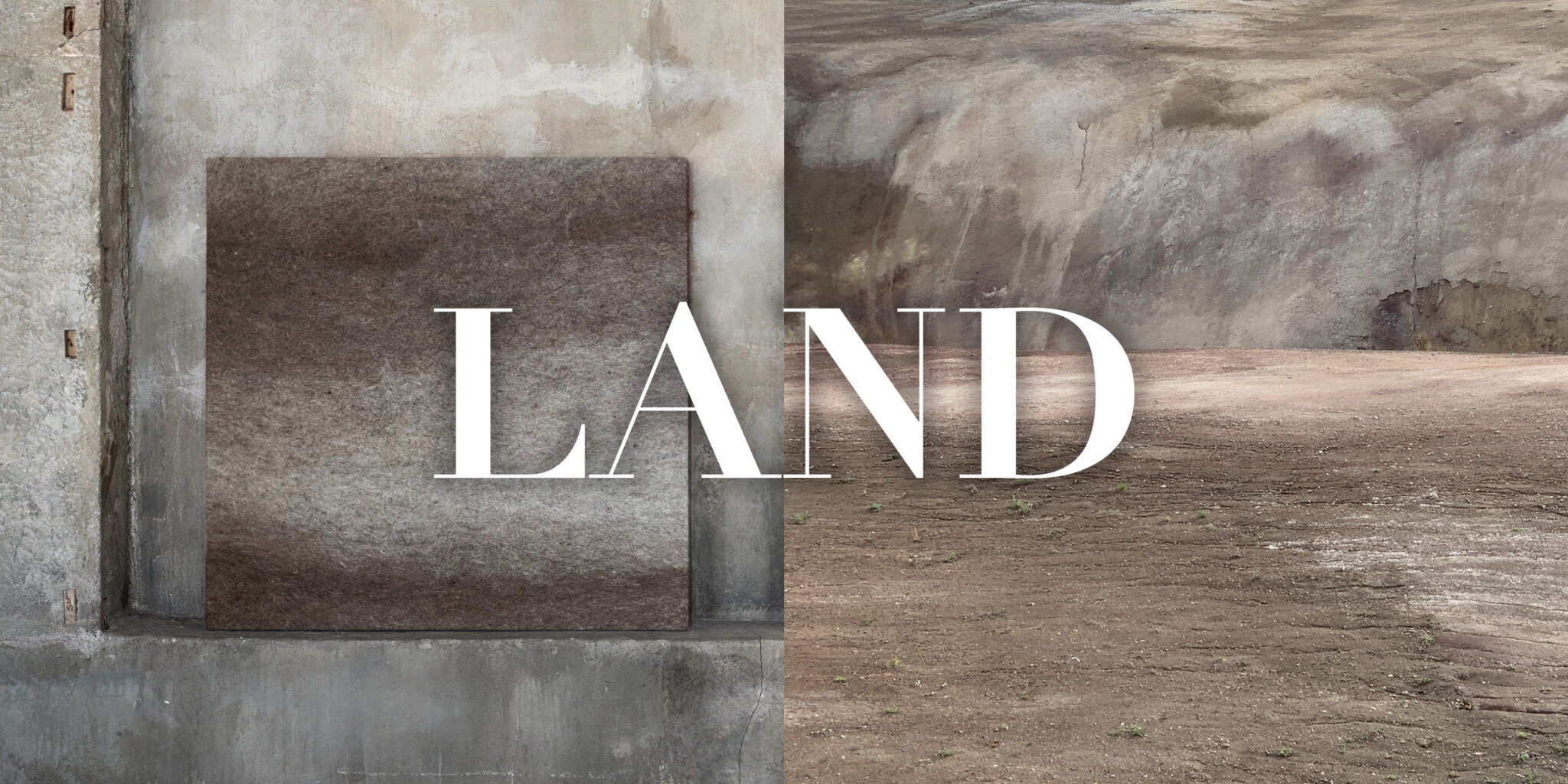
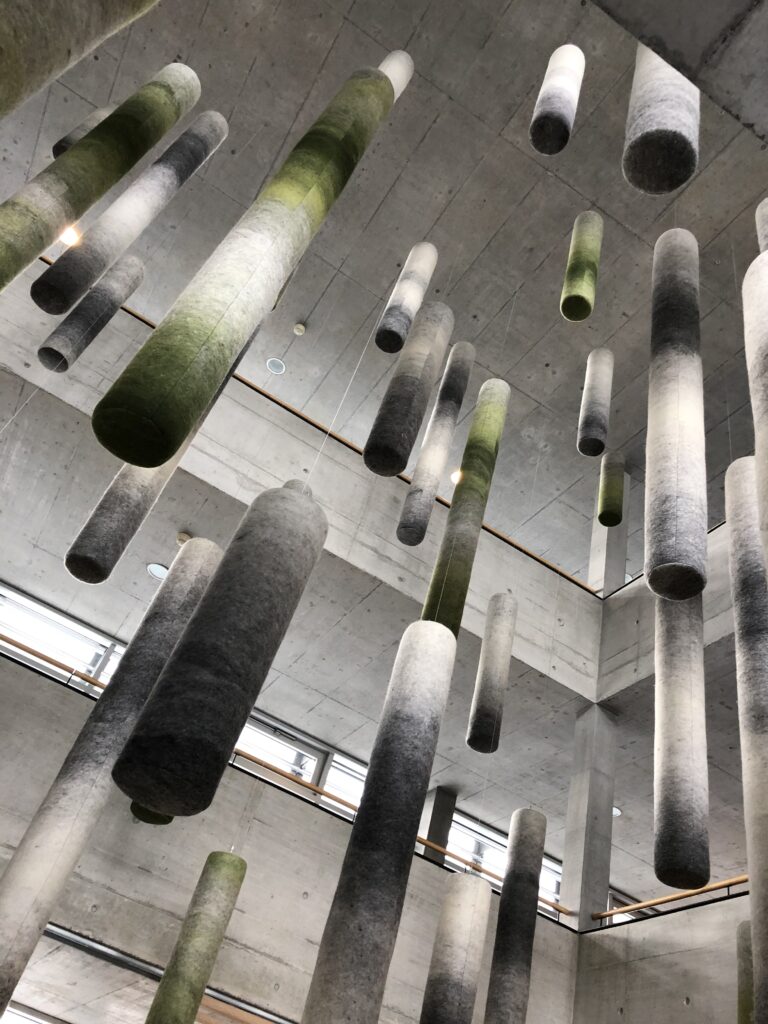
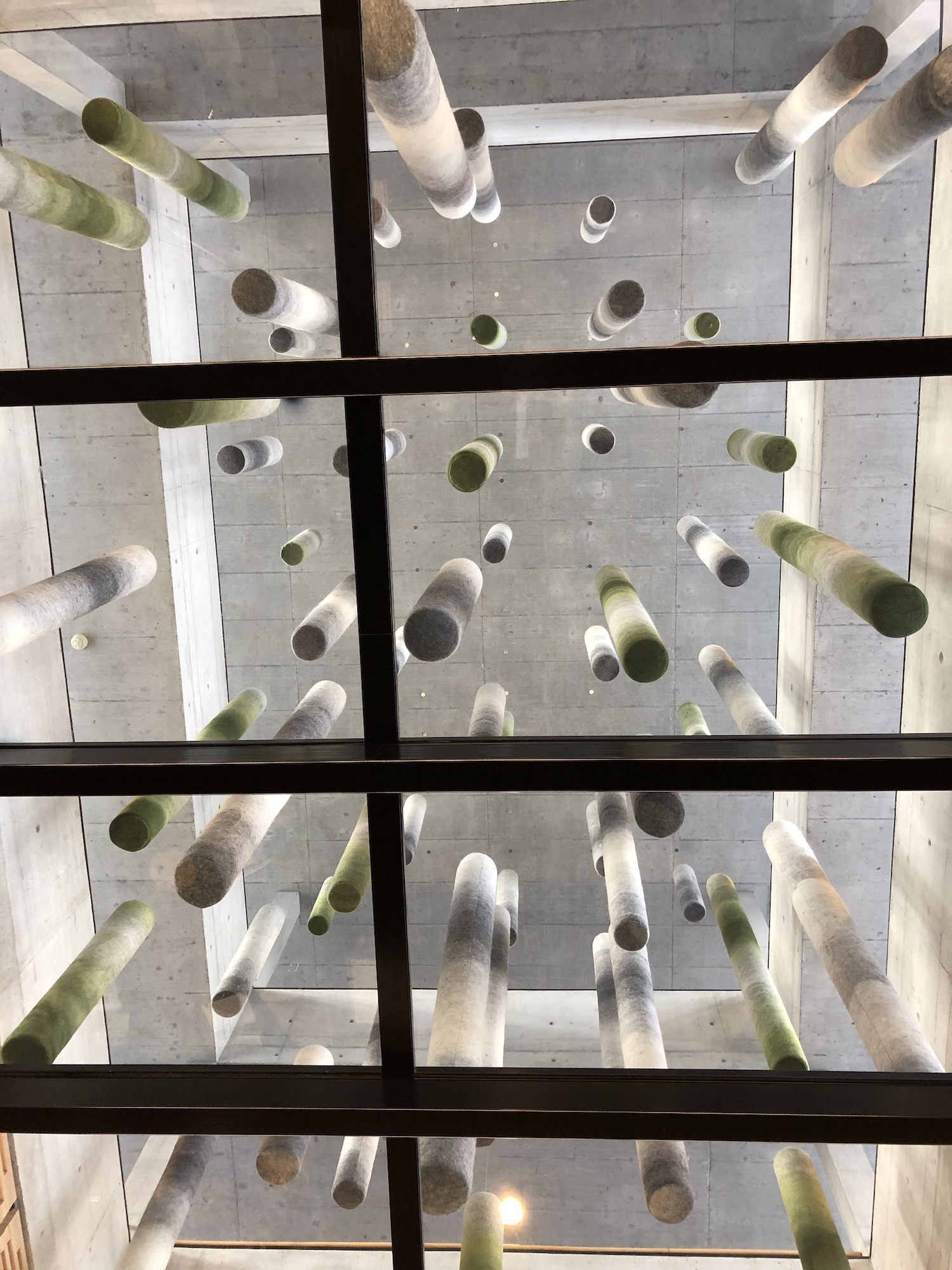
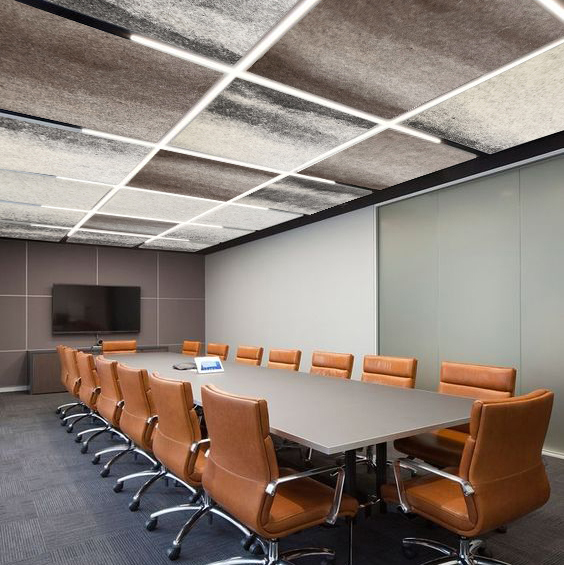
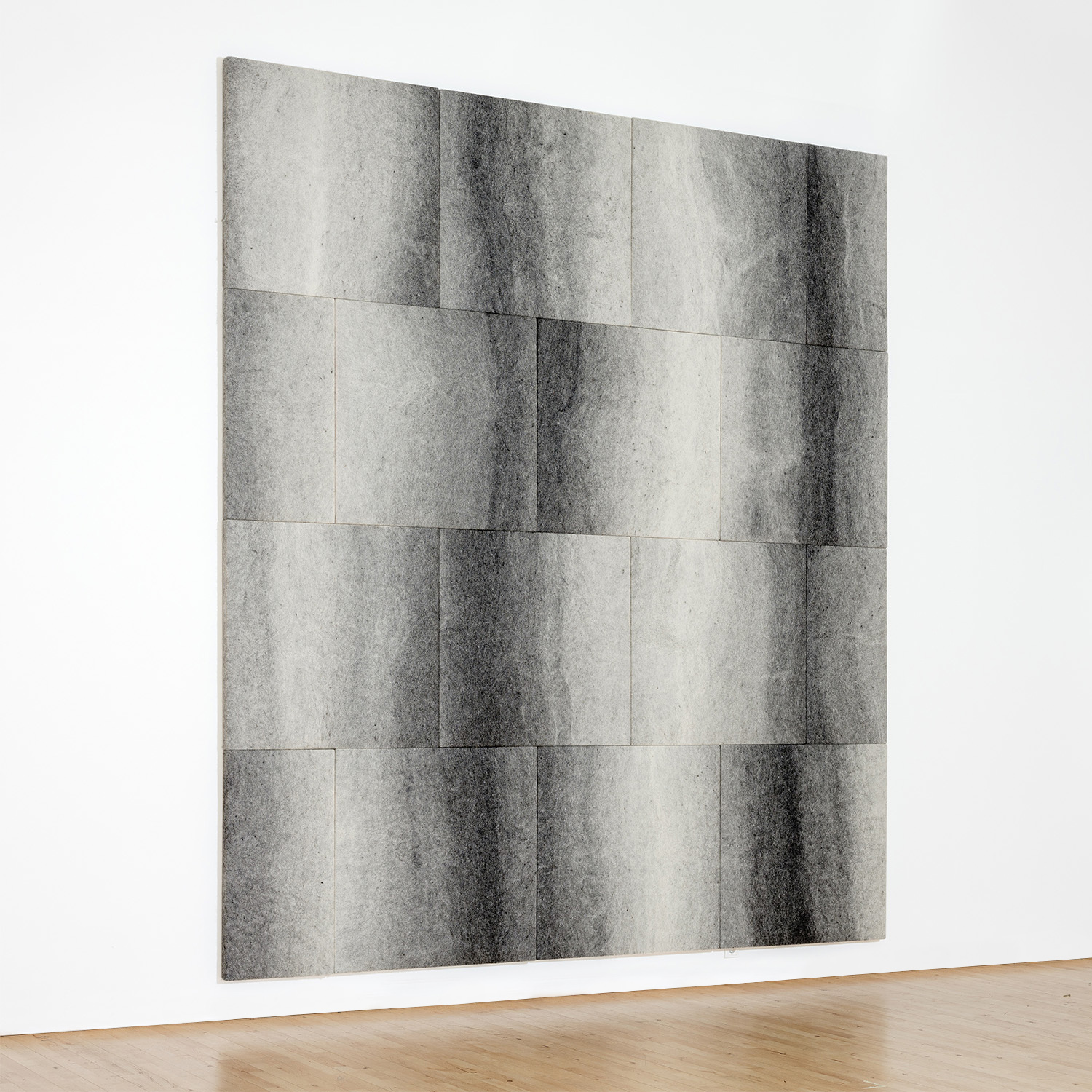

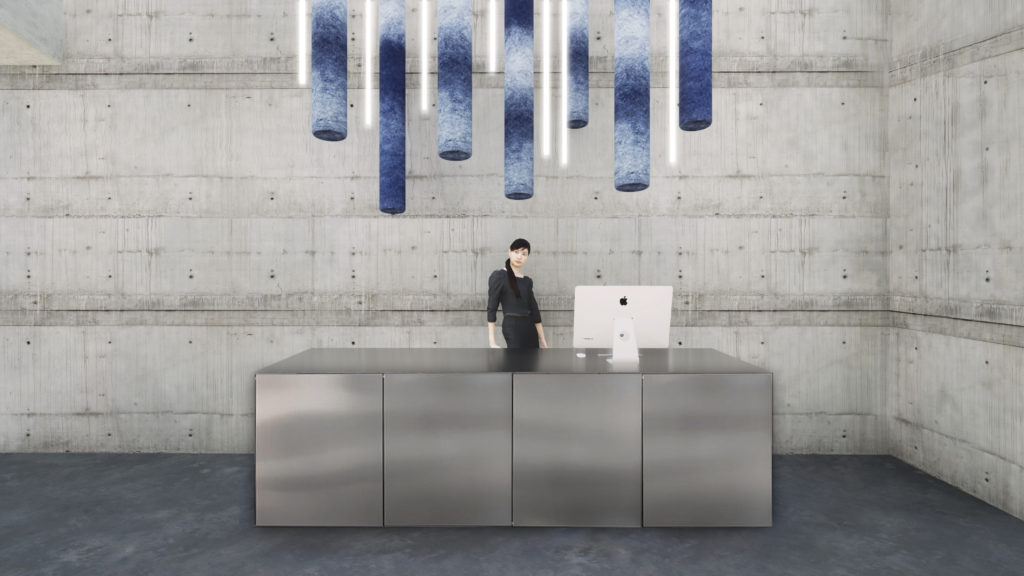
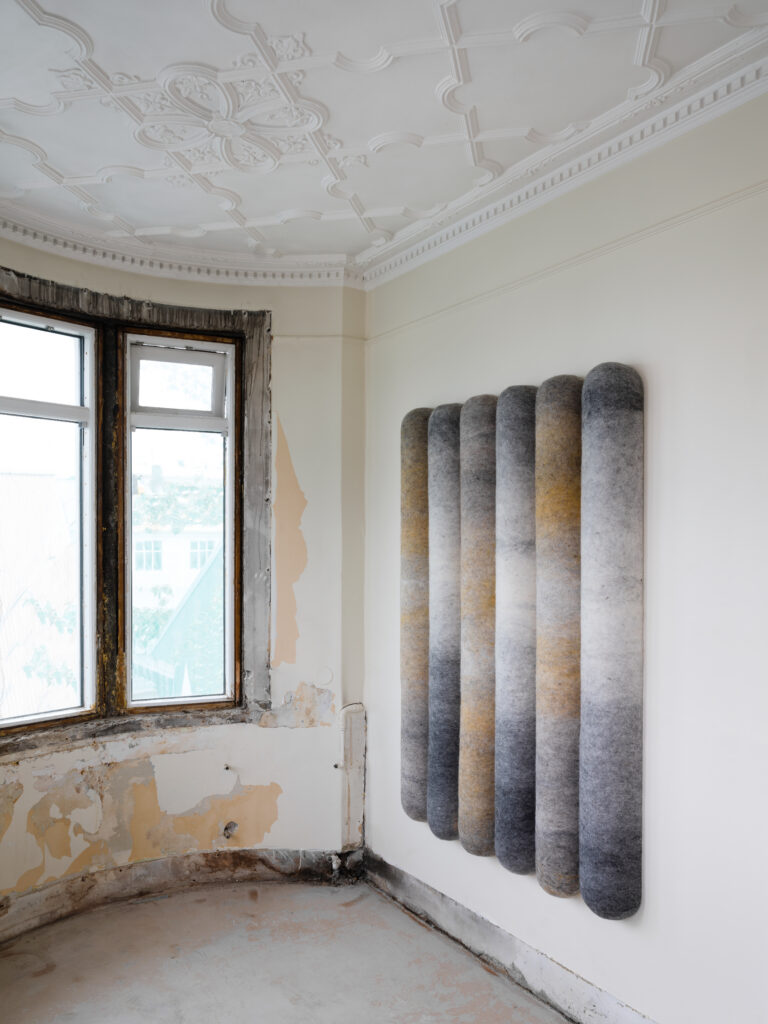
Images and content courtesy of Kula.