
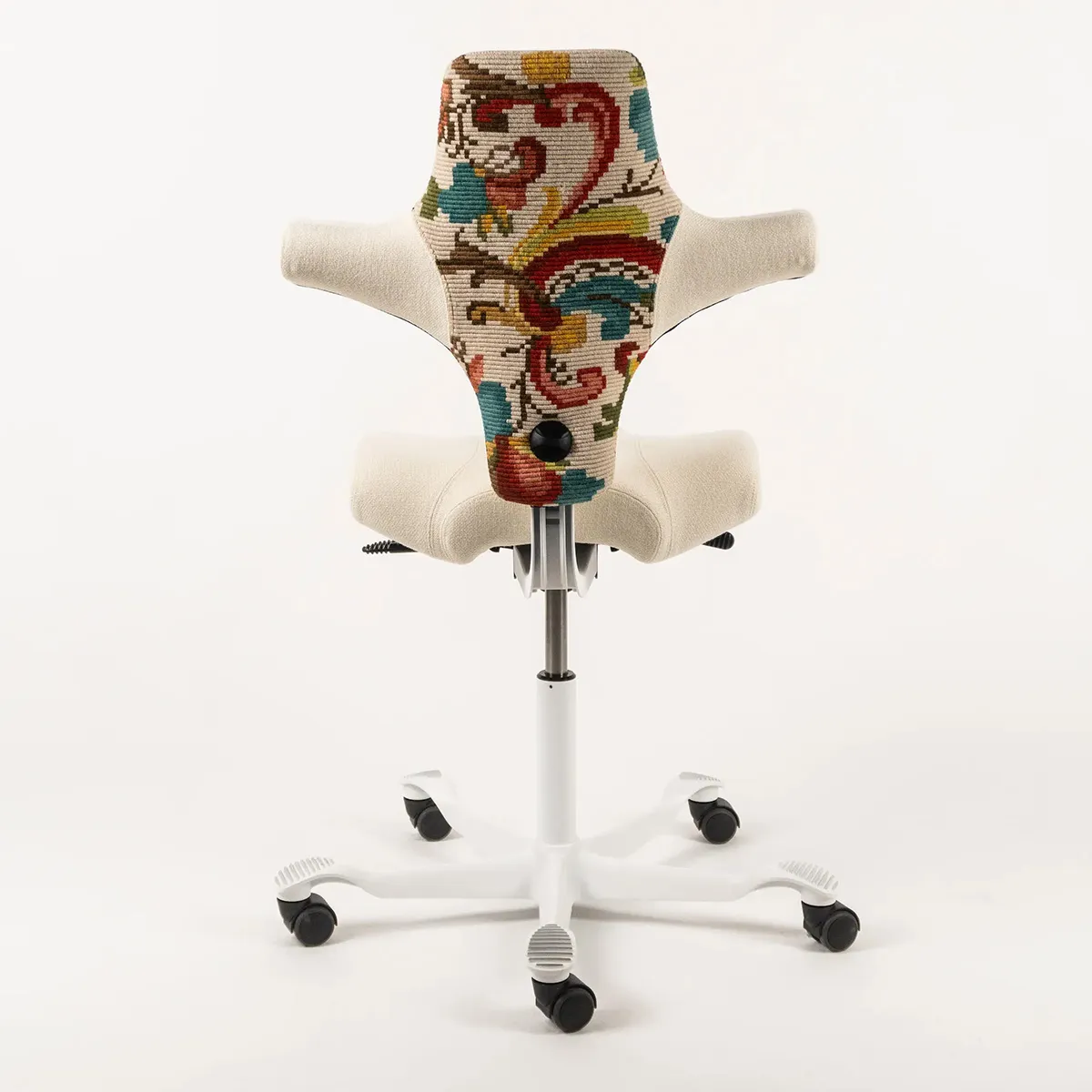
The HÅG x Recouture collaboration is more than just a modern design project; it is a celebration of Norwegian cultural history
By repurposing traditional åkle textiles for the HÅG Capisco, the project bridges the gap between old-world craftsmanship and contemporary ergonomics.
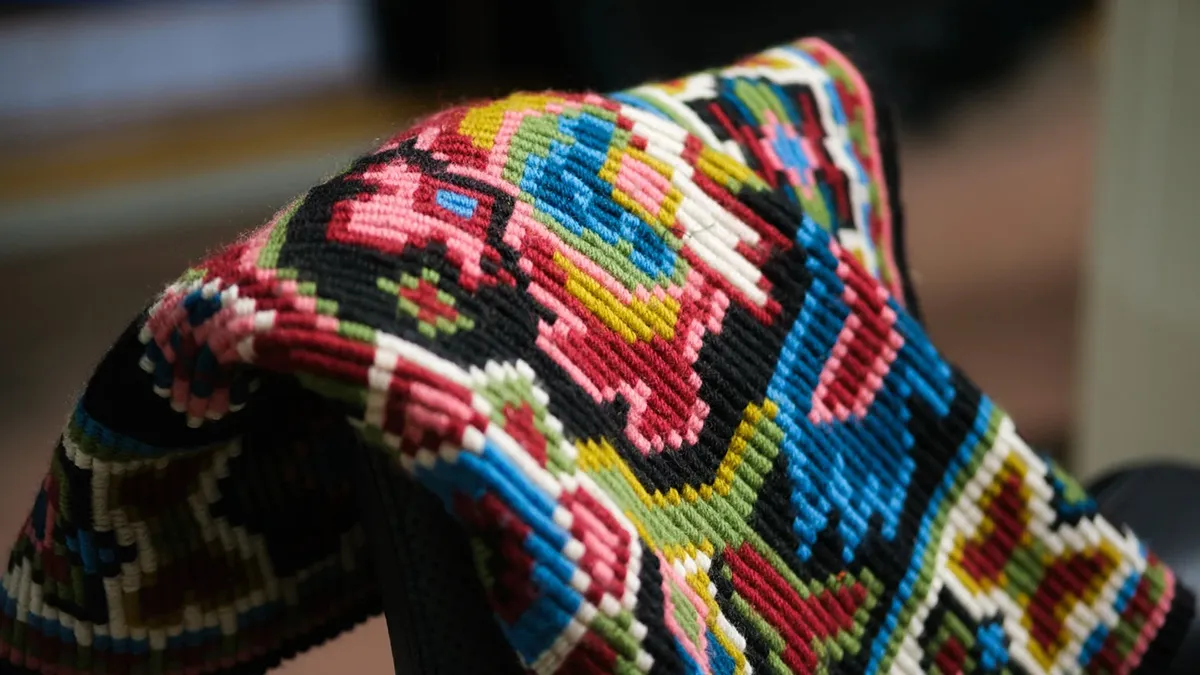
What is an Åkle?
An åkle is a traditional Norwegian textile where every piece carries its own unique history. Experts can often identify the origin of an åkle by studying its weave, yarn, motifs, and color combinations, as each region developed its own distinct visual style. These textiles are traces of the homes they lived in and the people who made them.
The Stories Behind the Patterns
The collaboration features several distinct types of åkle, each with a deep-rooted lineage:
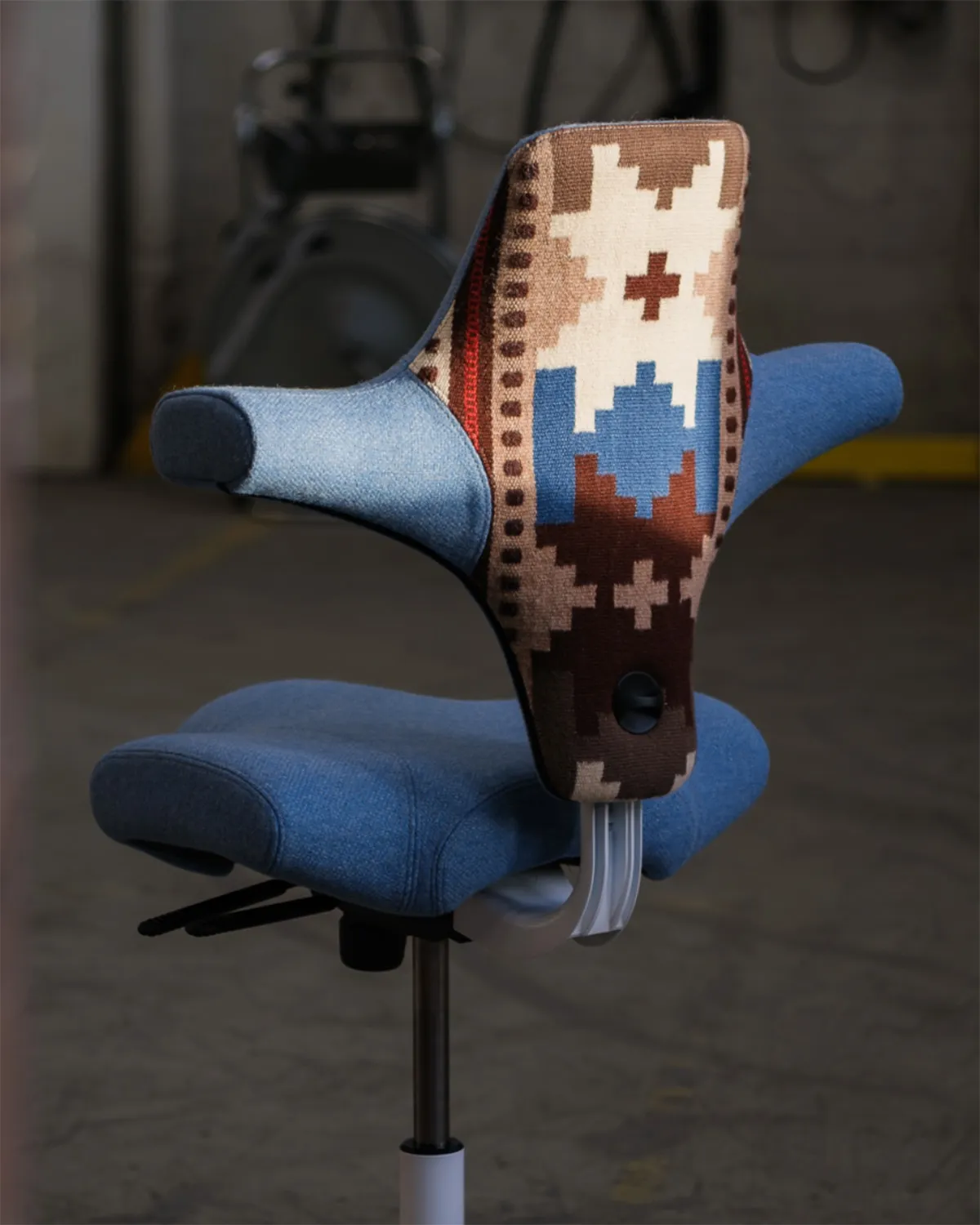
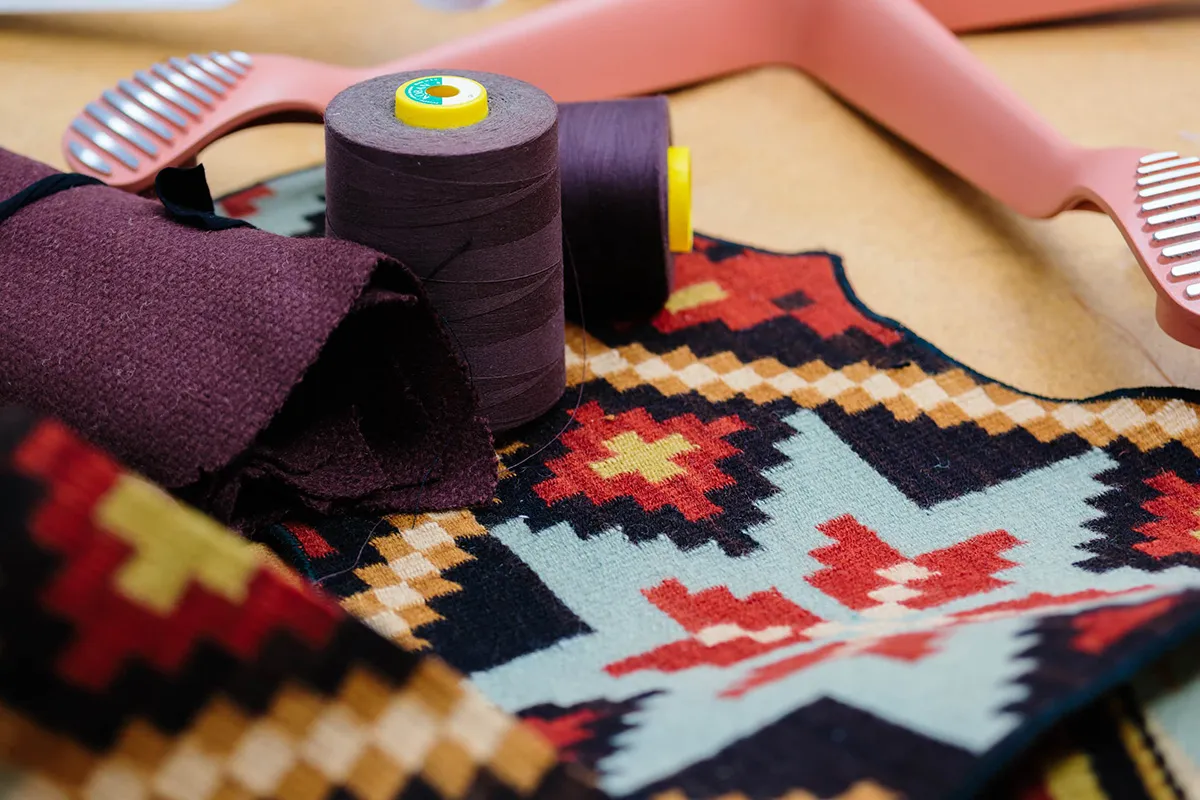
- The Bordeåkle: Originating from Western Norway, these sturdy, geometric textiles were traditionally used on beds and walls. The specific pattern used in the collaboration can be traced back to Samnanger and was further developed by three deaf sisters in Seim who supported themselves through weaving.
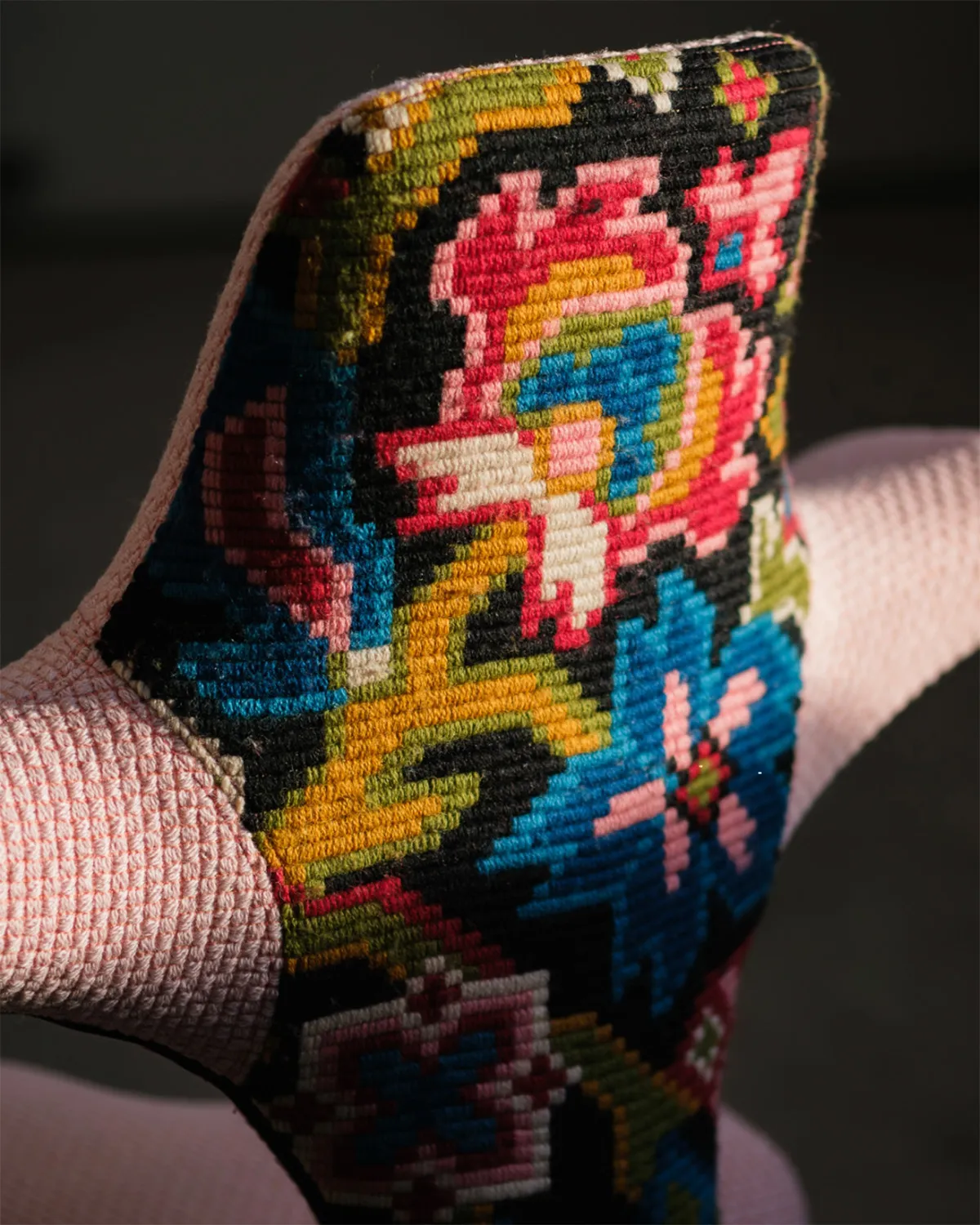
- The Gjeste-Stova (Klostersøm): This åkle uses the klostersøm embroidery technique, a staple of Norwegian needlework for over a century. Named after the “best room” in the house where guests were received, it represents the ritual of hospitality.
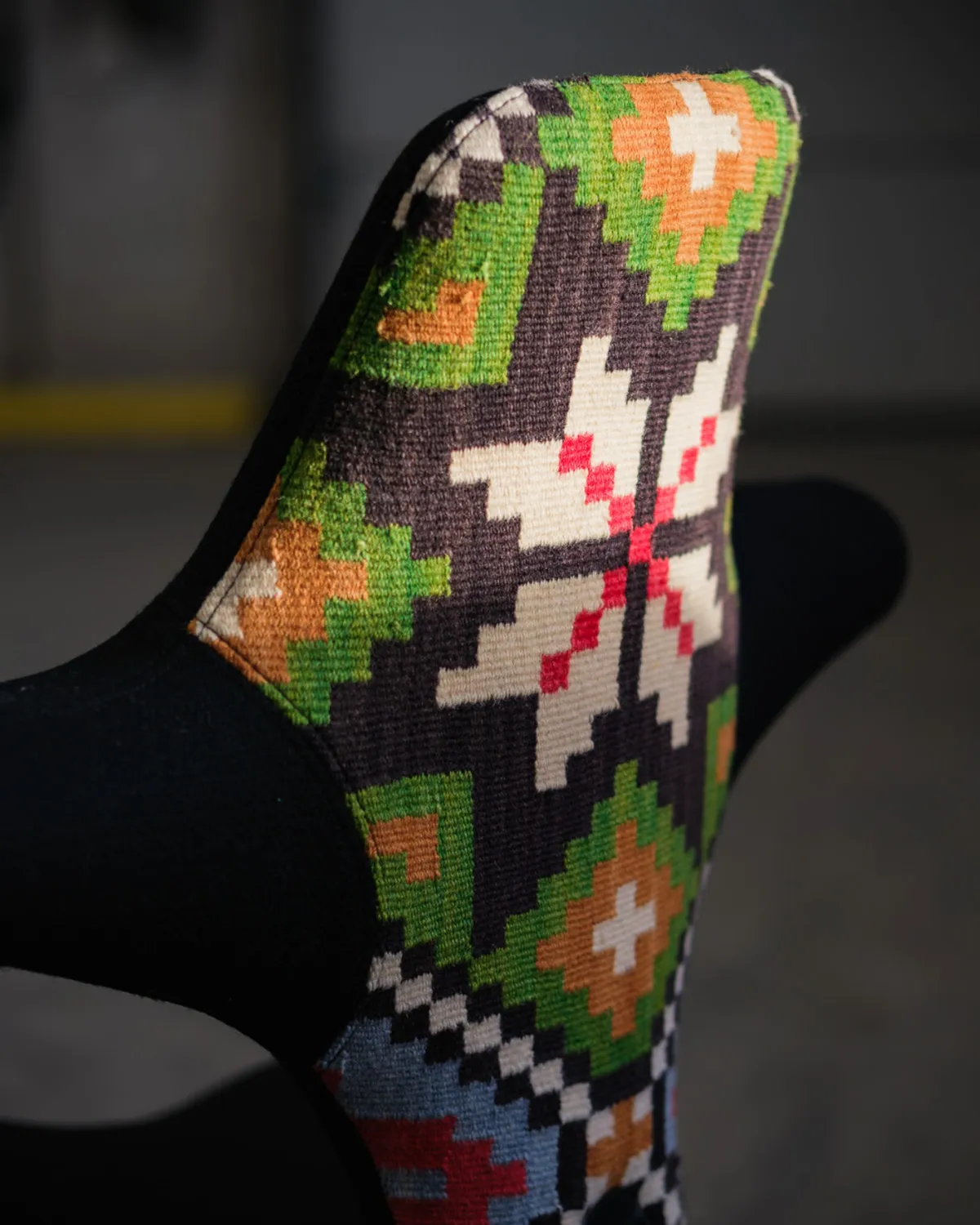
- The Åttebladsrose (Eight-Petal Rose): Perhaps the most recognizable symbol in Norwegian folk design, this motif represents balance, the seasons, and the cycle of life. It has been used in textiles since the Middle Ages.
- The Roseåkle: Unlike the strict geometry of other styles, the Roseåkle features flowing floral shapes inspired by rosemaling (traditional decorative painting). This style emerged in the mid-1900s, blending folk art with modern home décor.
Why This Heritage Matters
Every åkle used in the HÅG x Recouture project carries a cultural memory. By researching these patterns and tracing their origins, the project recognizes the generations of women who kept these traditions alive. When these historical pieces are restored and repurposed for the HÅG Capisco, their story continues into a new era of design.
Images and content courtesy of Flokk.com.
Photo: Christina Tautz & Oscar Shu Hao Kwong, Flokk
@Recouture.no HÅG Capisco by Peter Opsvik @peteropsvik
Additional fabric on chair made by @Gudbrandsdalens_uldvarefabrik