
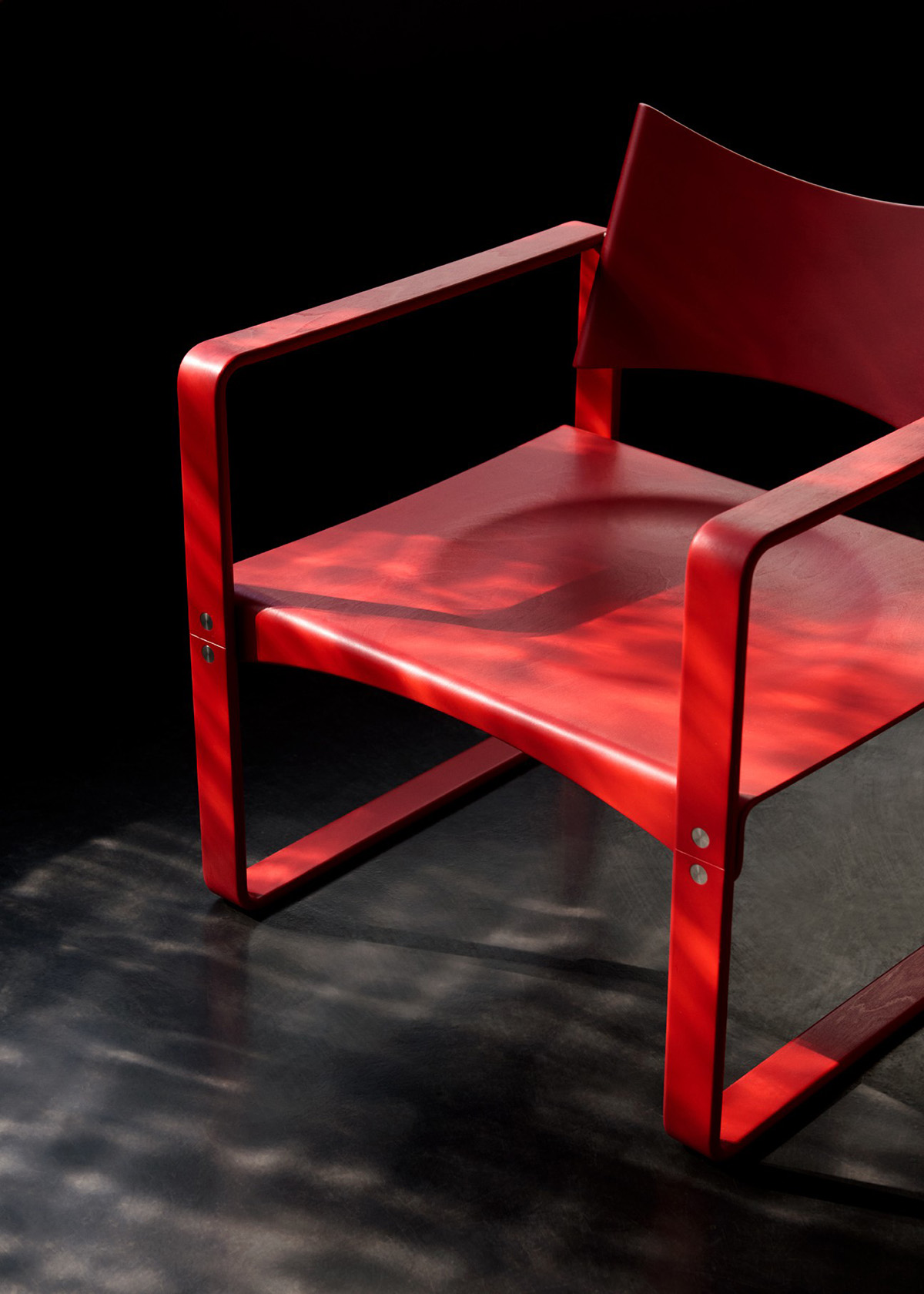
Verner Panton’s Series 270 F Armchair Returns Through VERPAN Collaboration
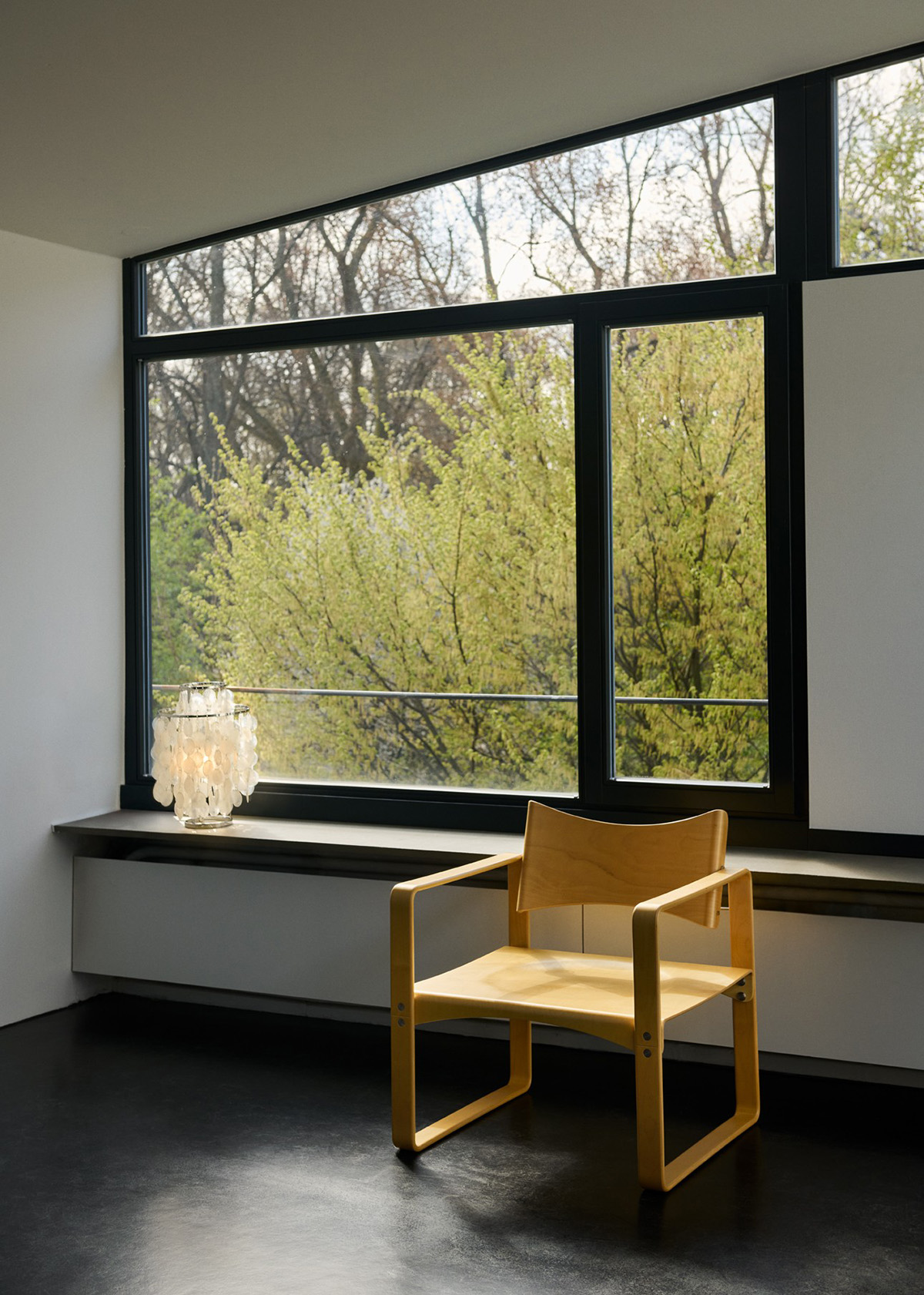
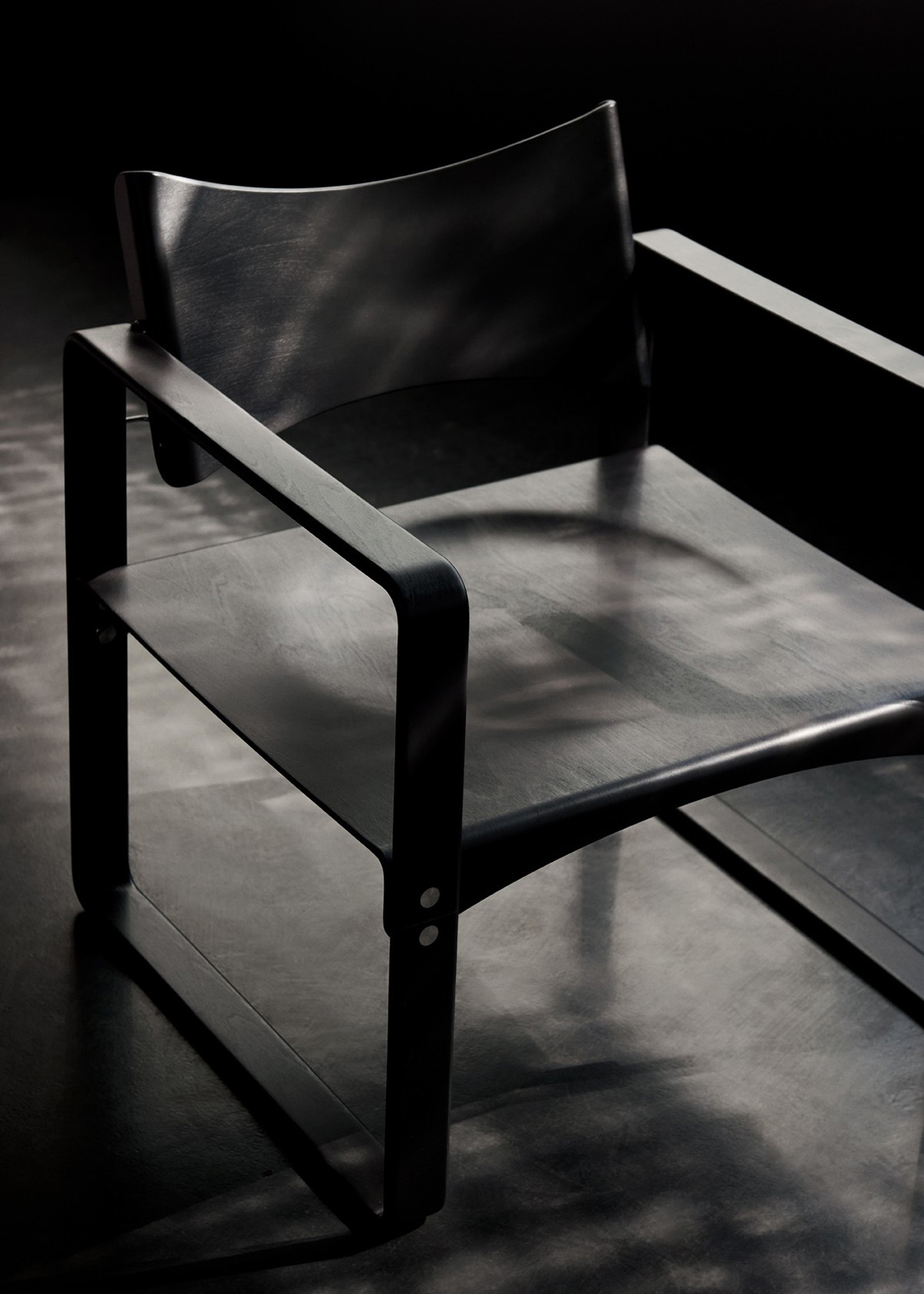
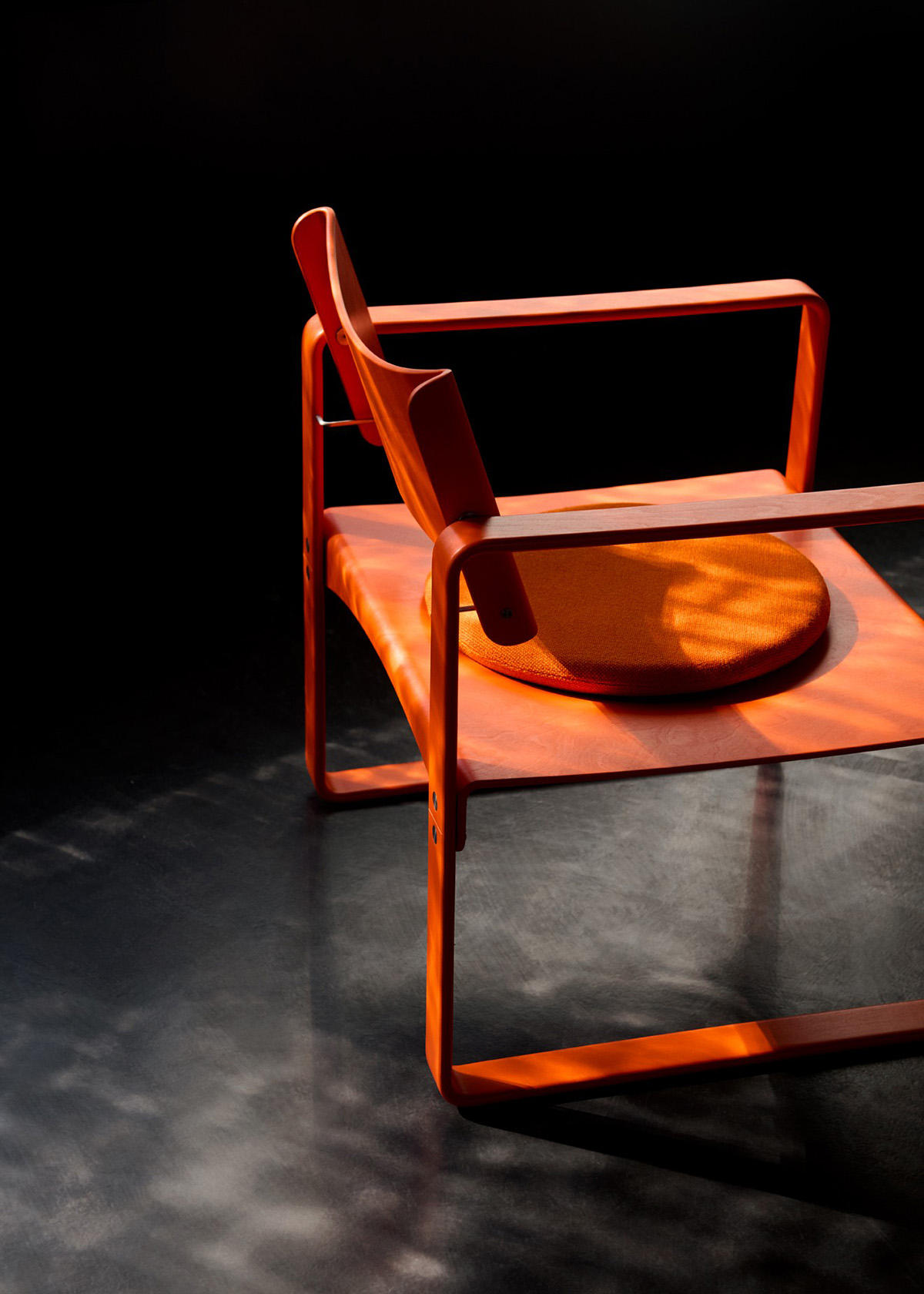
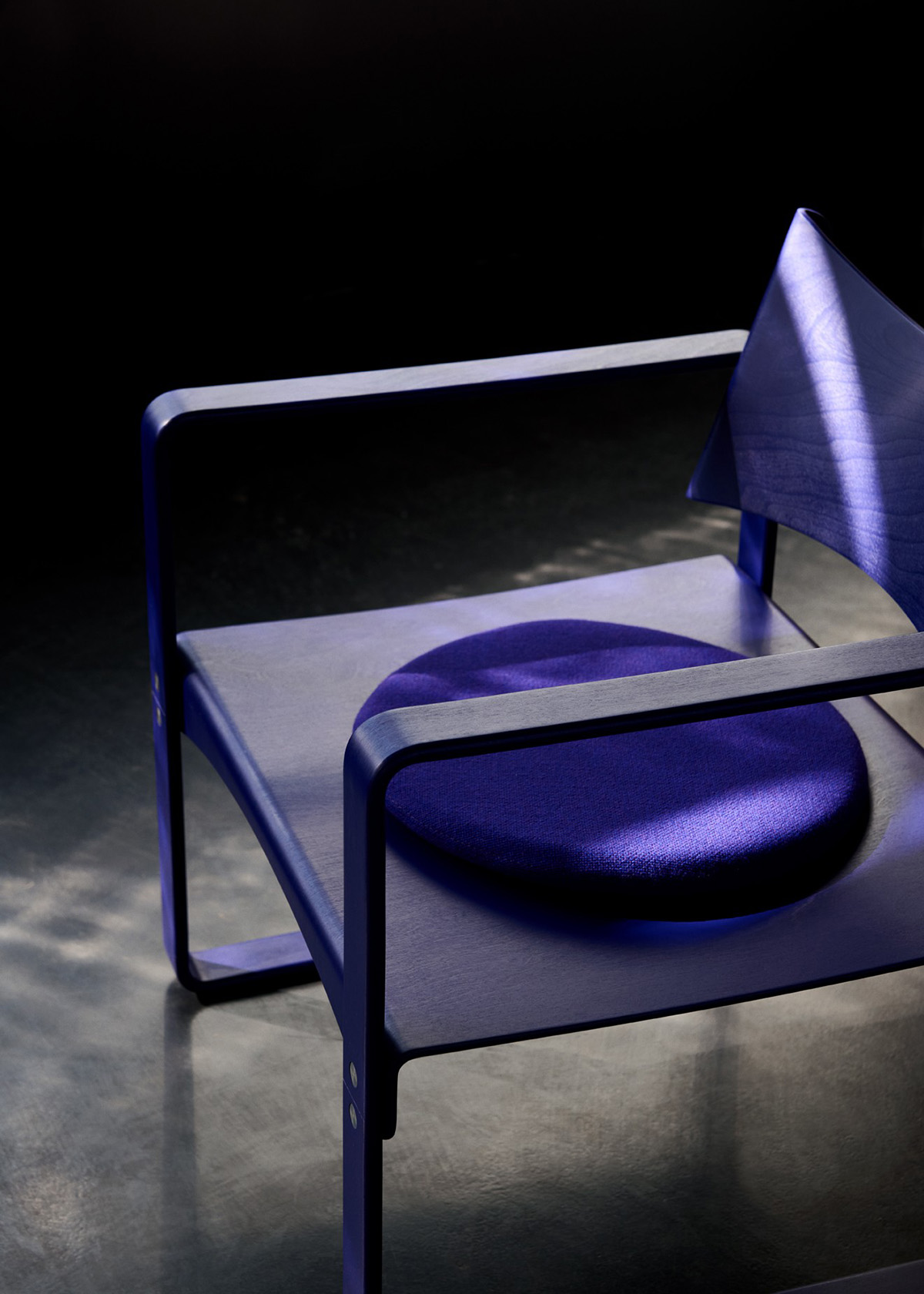
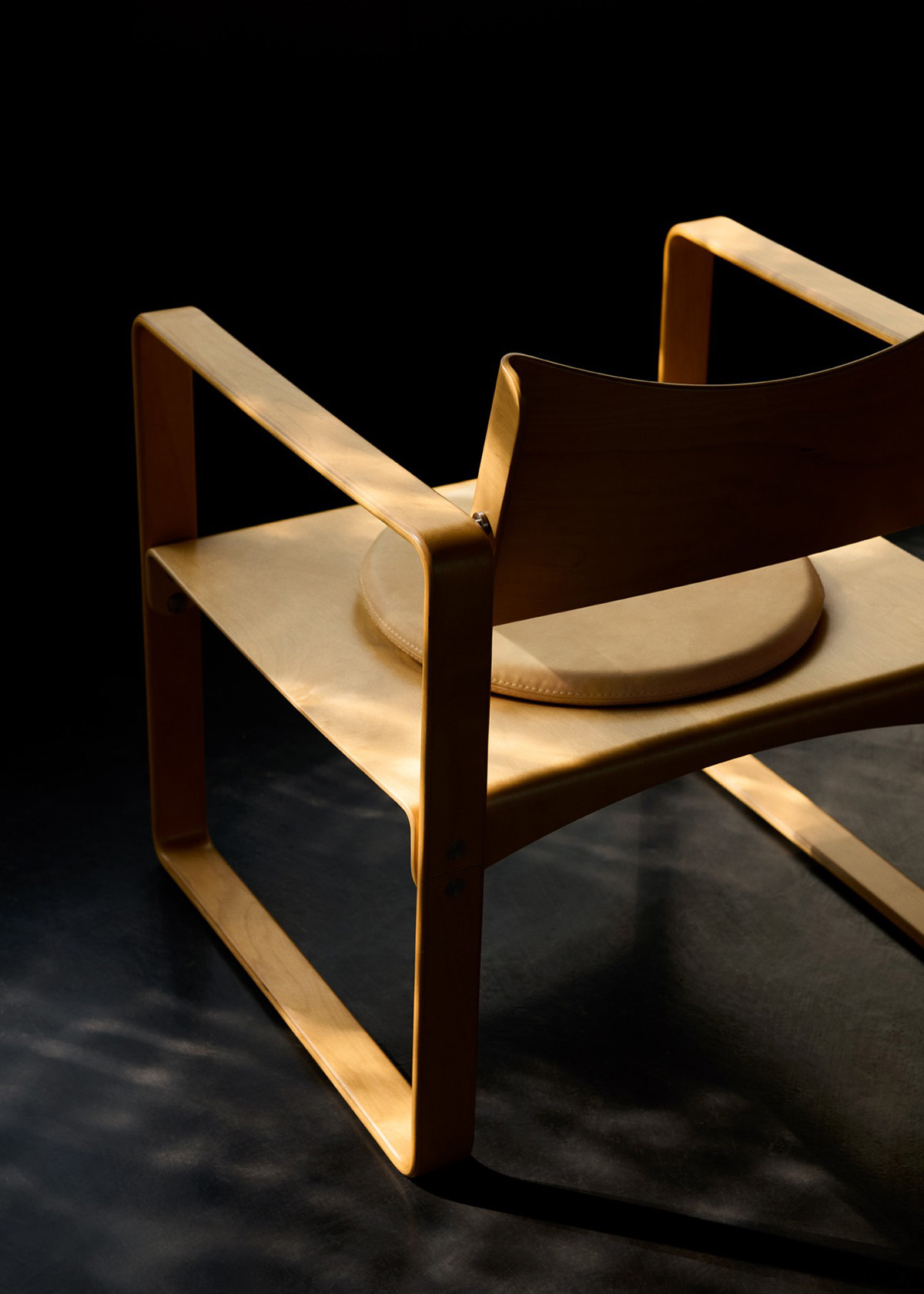
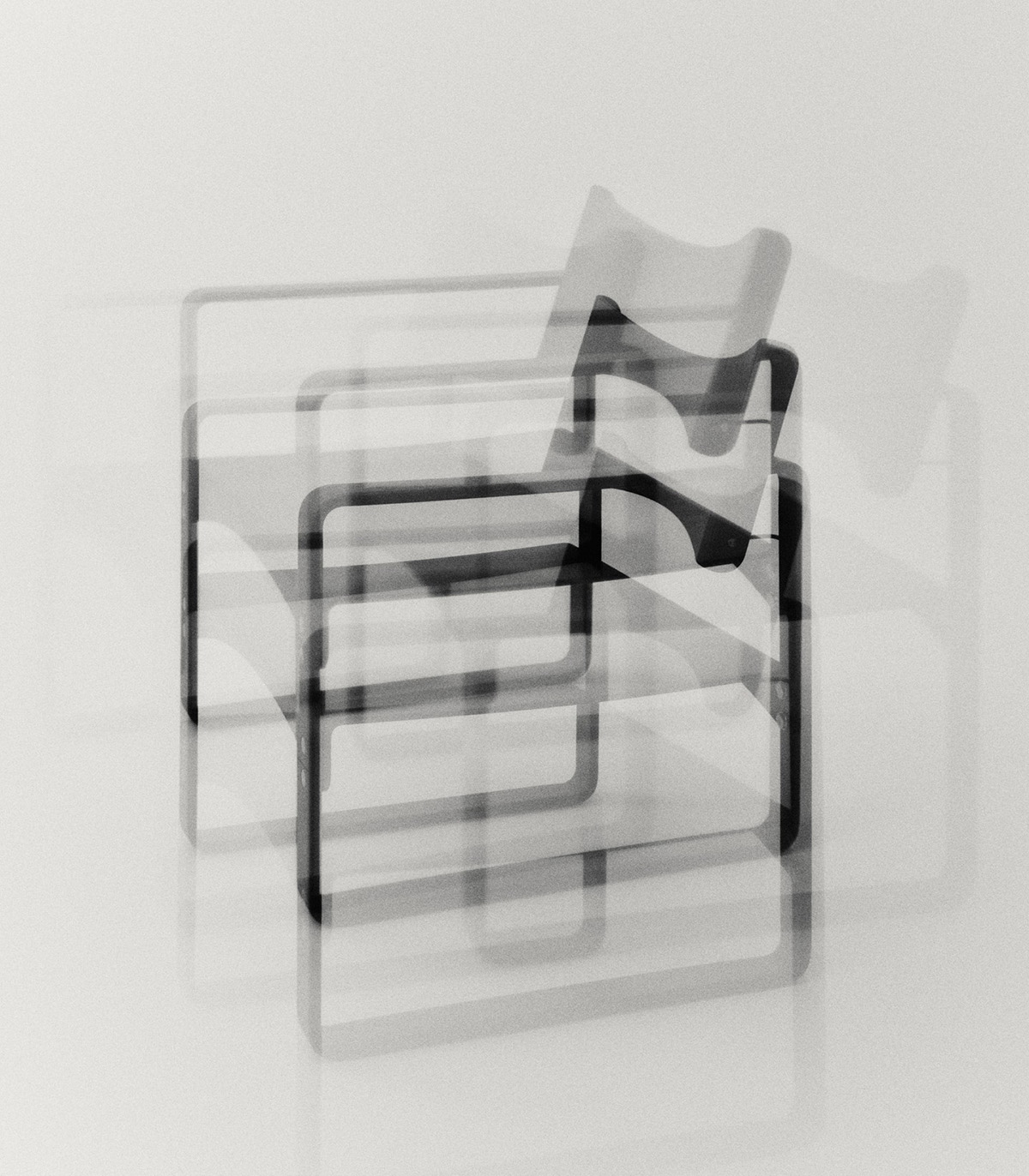
The Series 270 F Armchair is an exploration of modularity and modernism in bent plywood.
Originally developed in 1965/66, the light yet structured design offered a fresh take on functionality and form.
Recognising how it speaks to our time, VERPAN, in close collaboration with Verner Panton Design AG, is set to reintroduce one of Verner Panton’s rare gems: the Series 270 F Armchair.
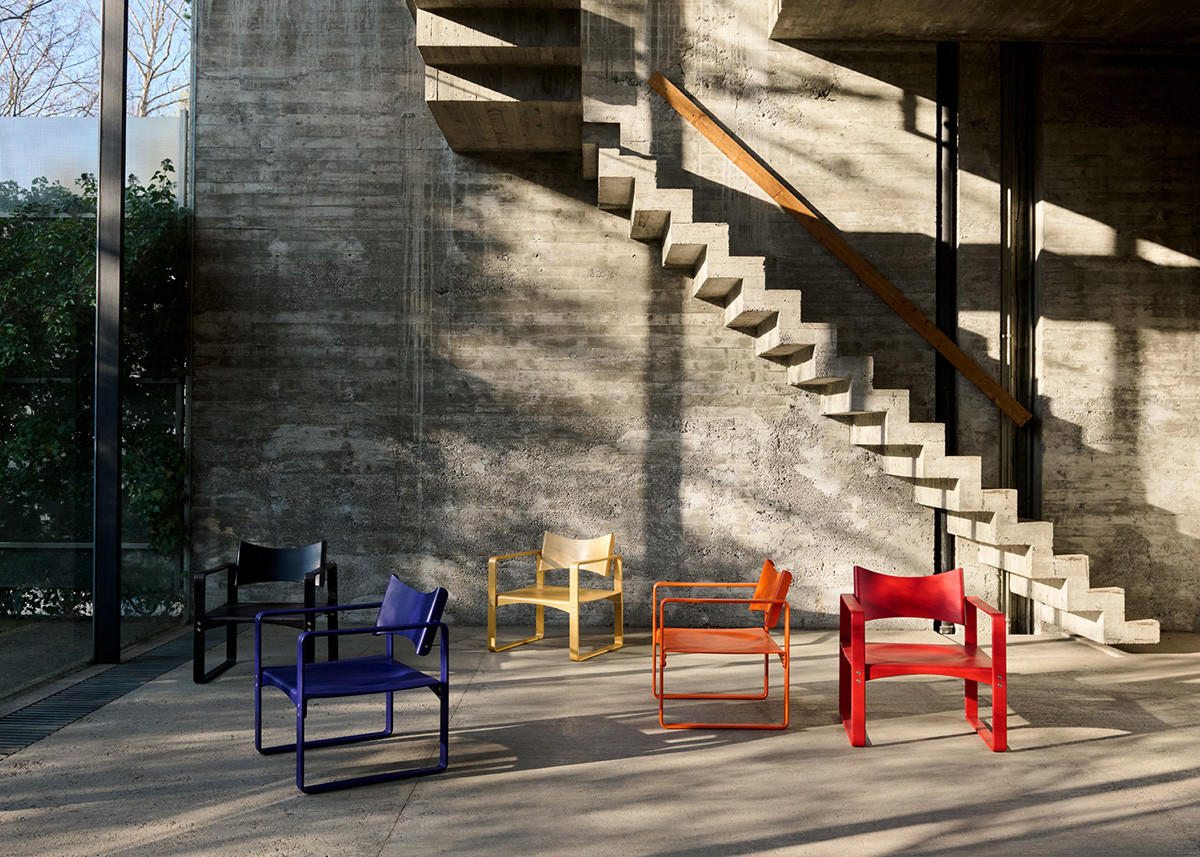
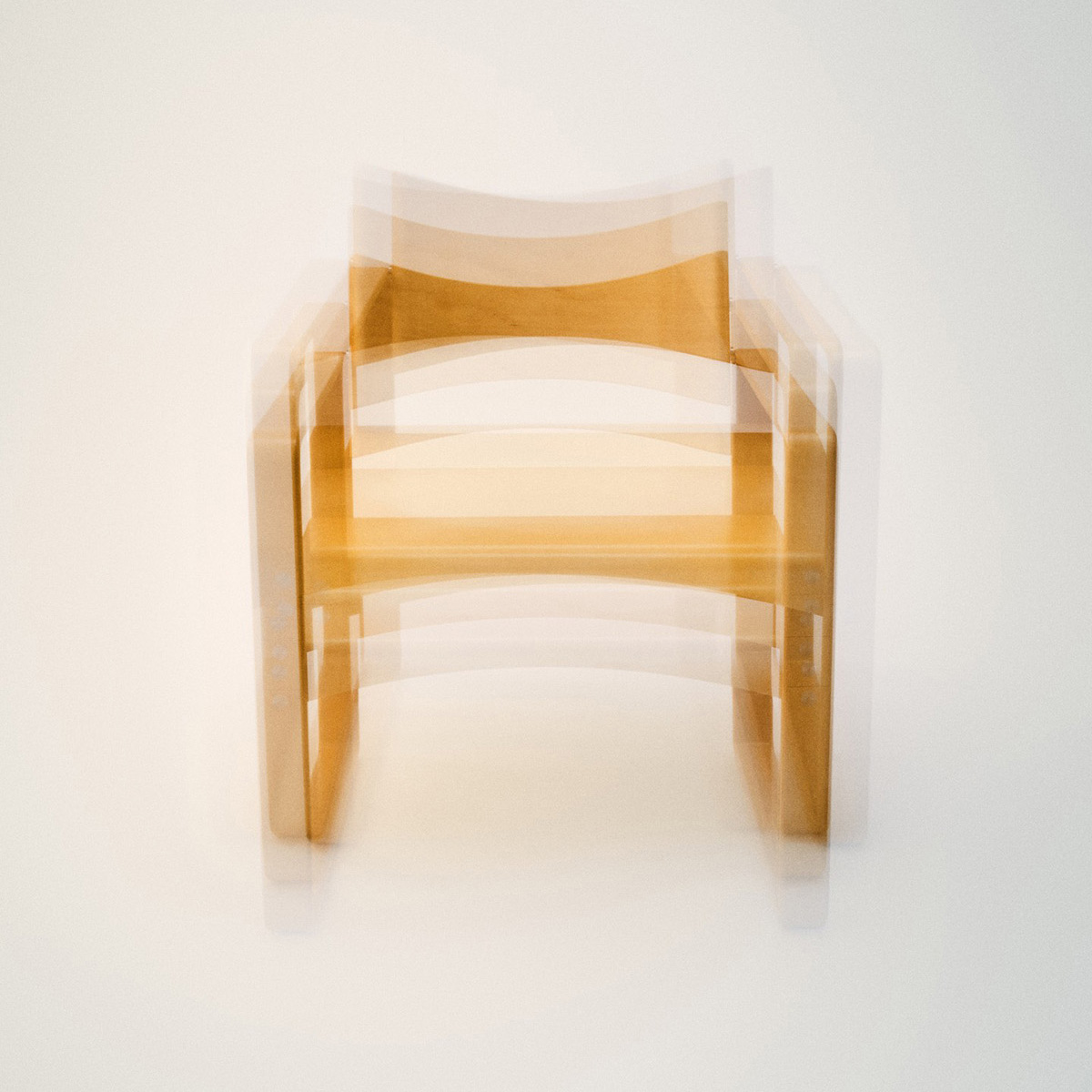
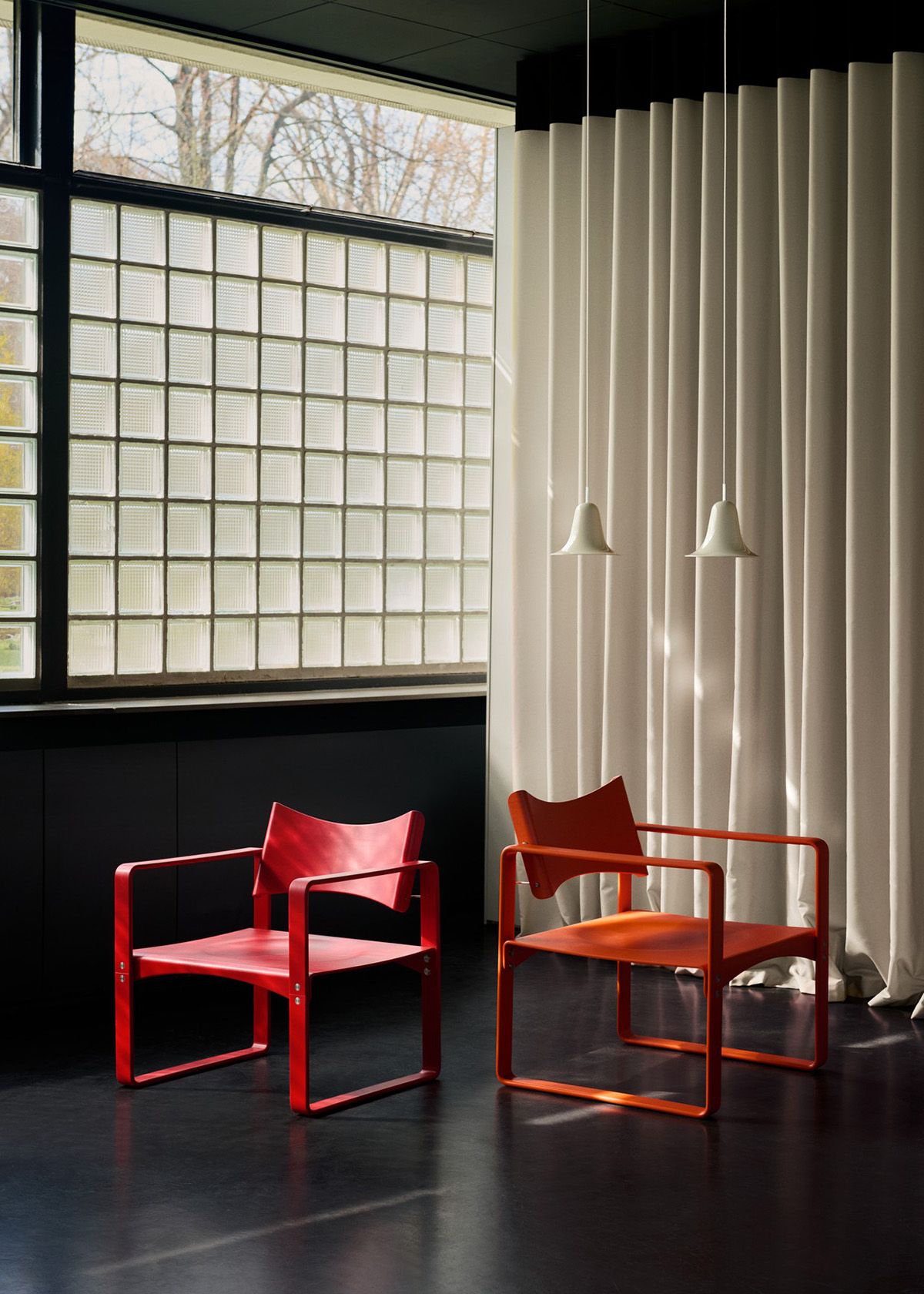
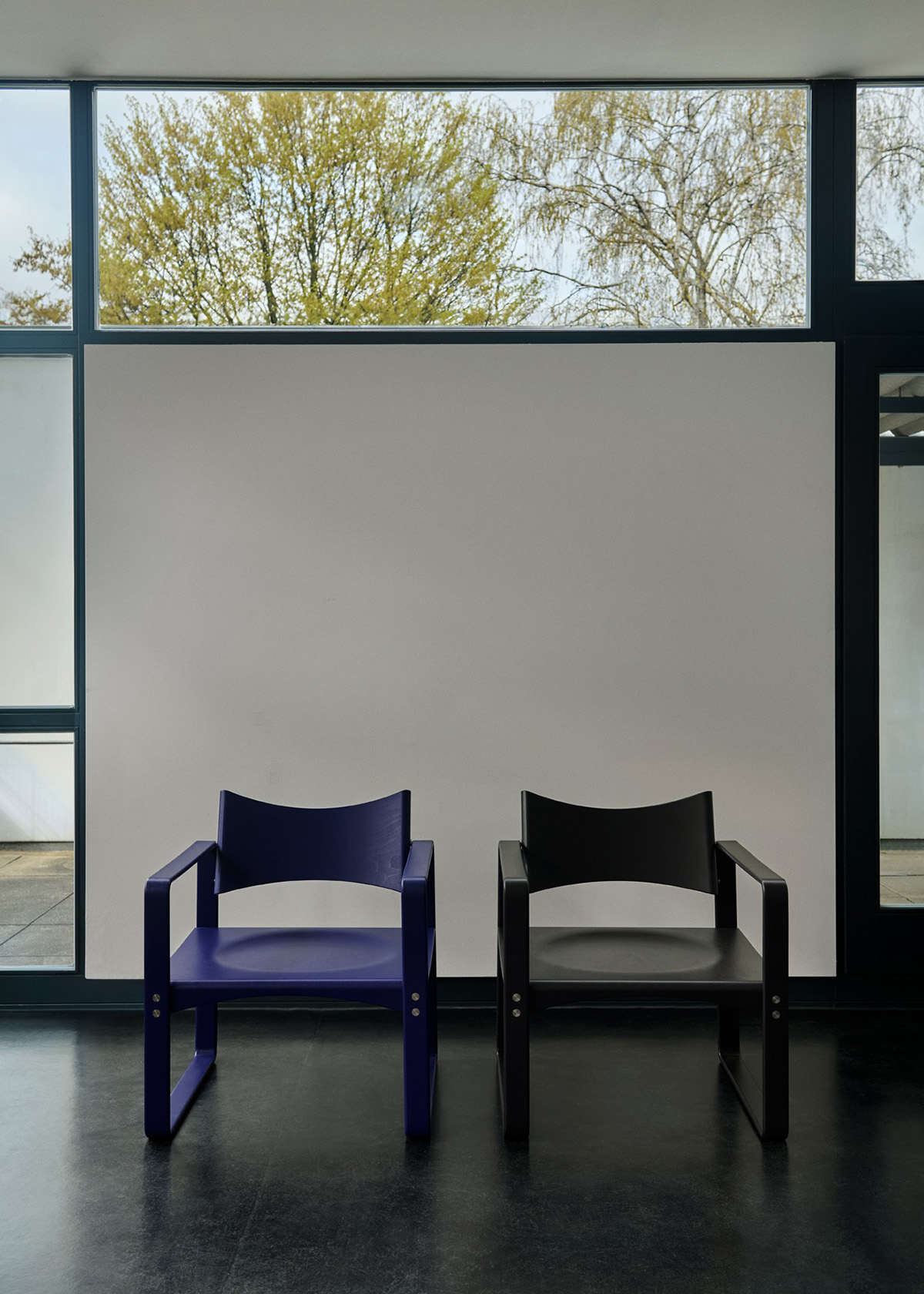
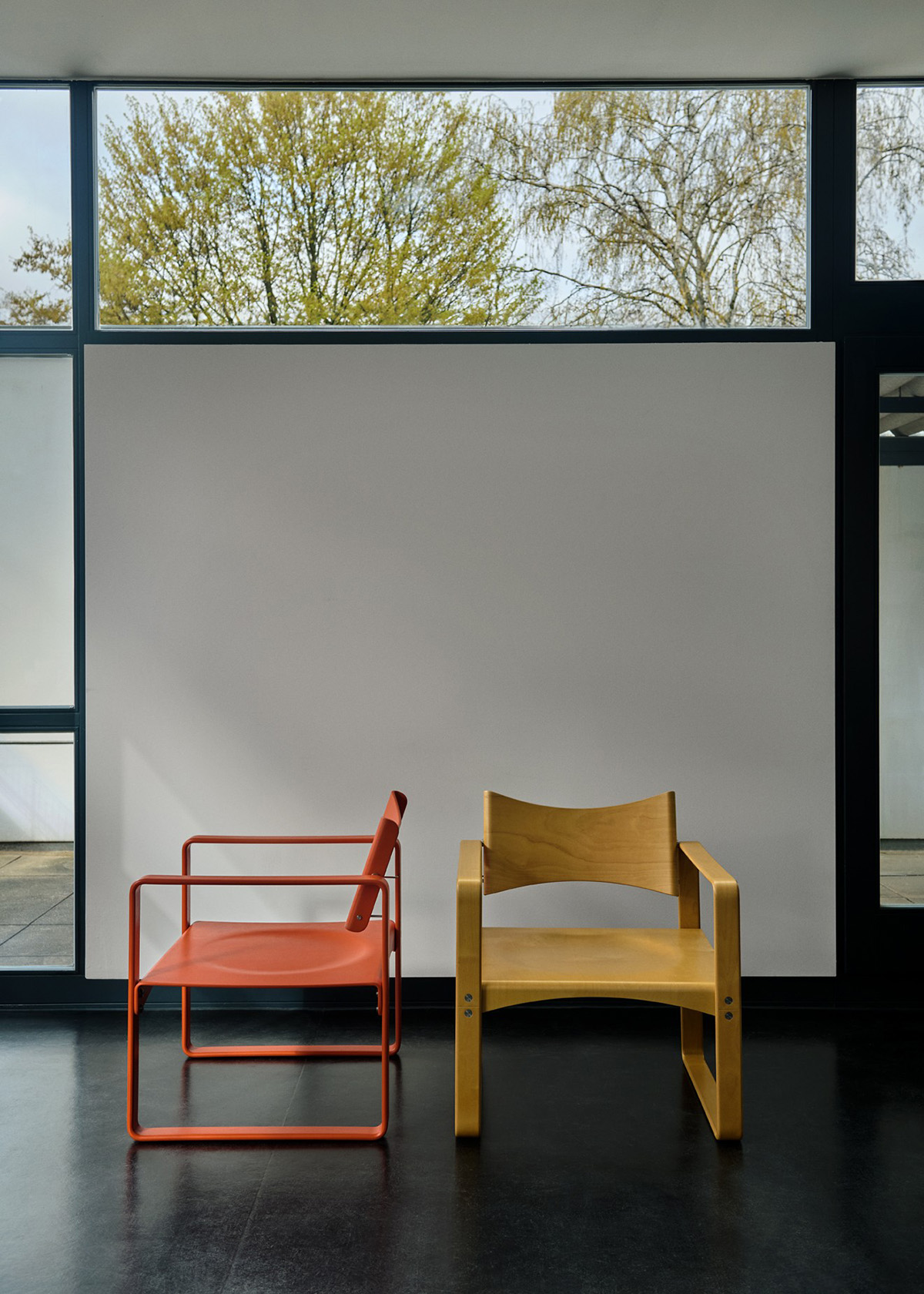
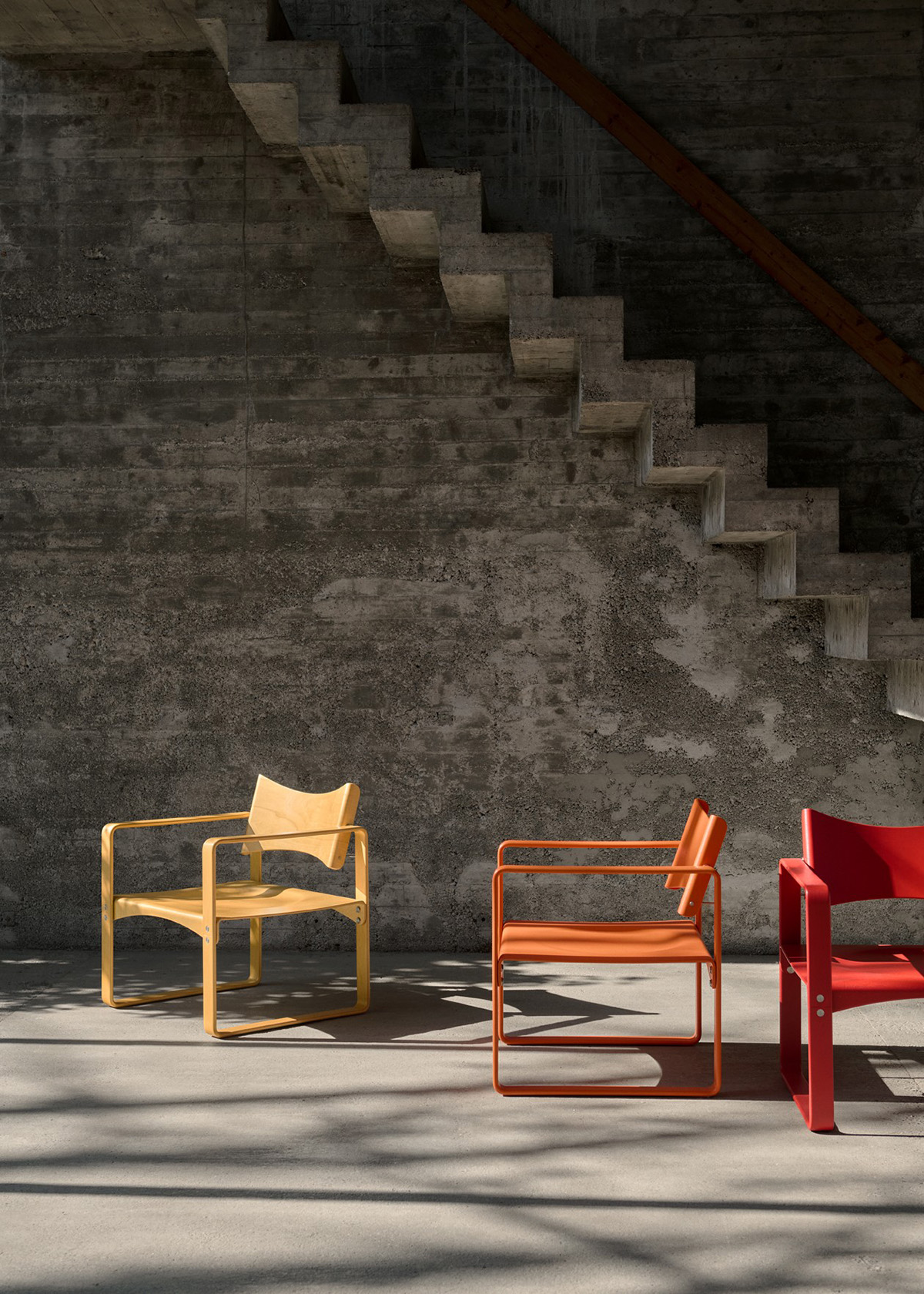
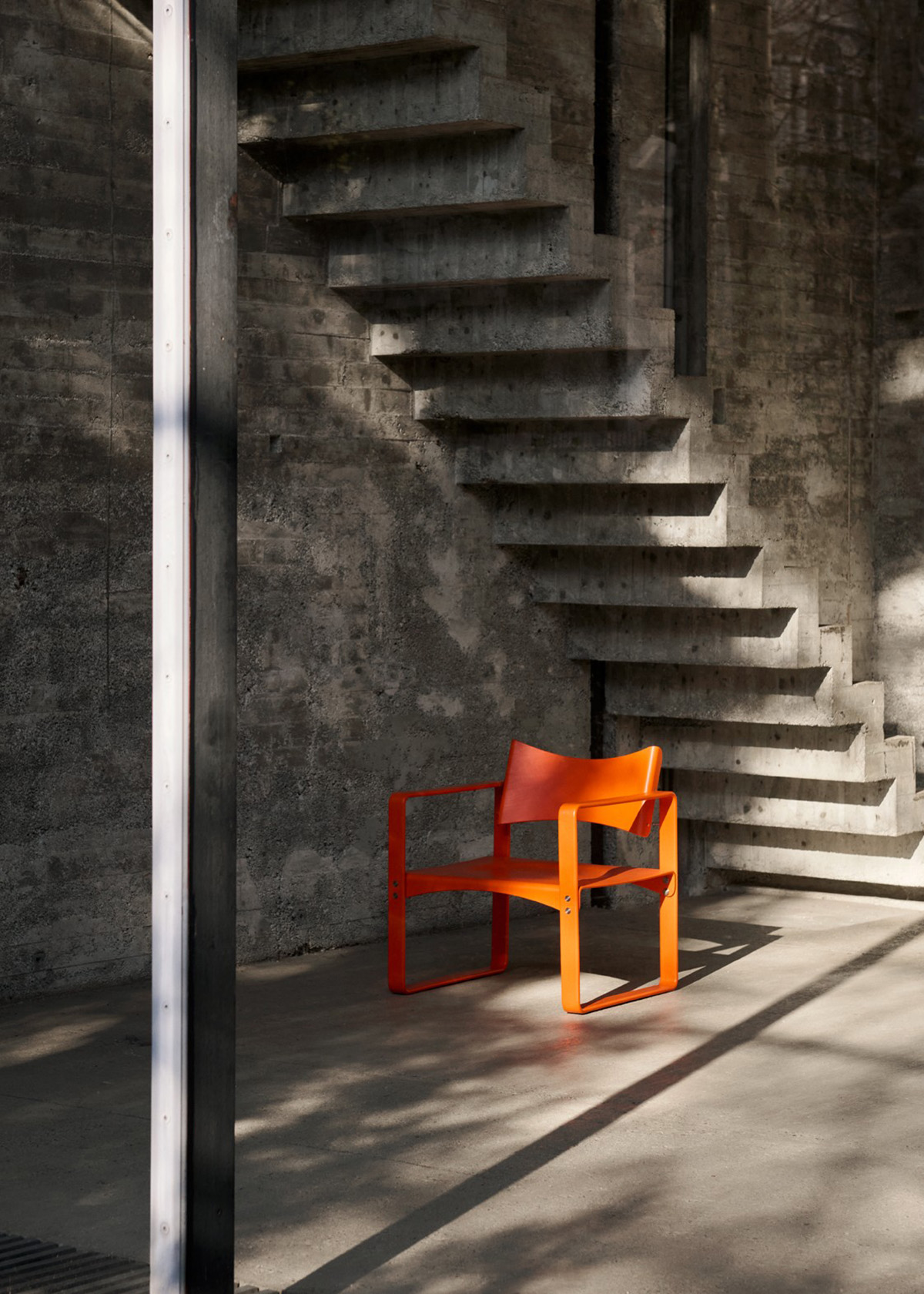
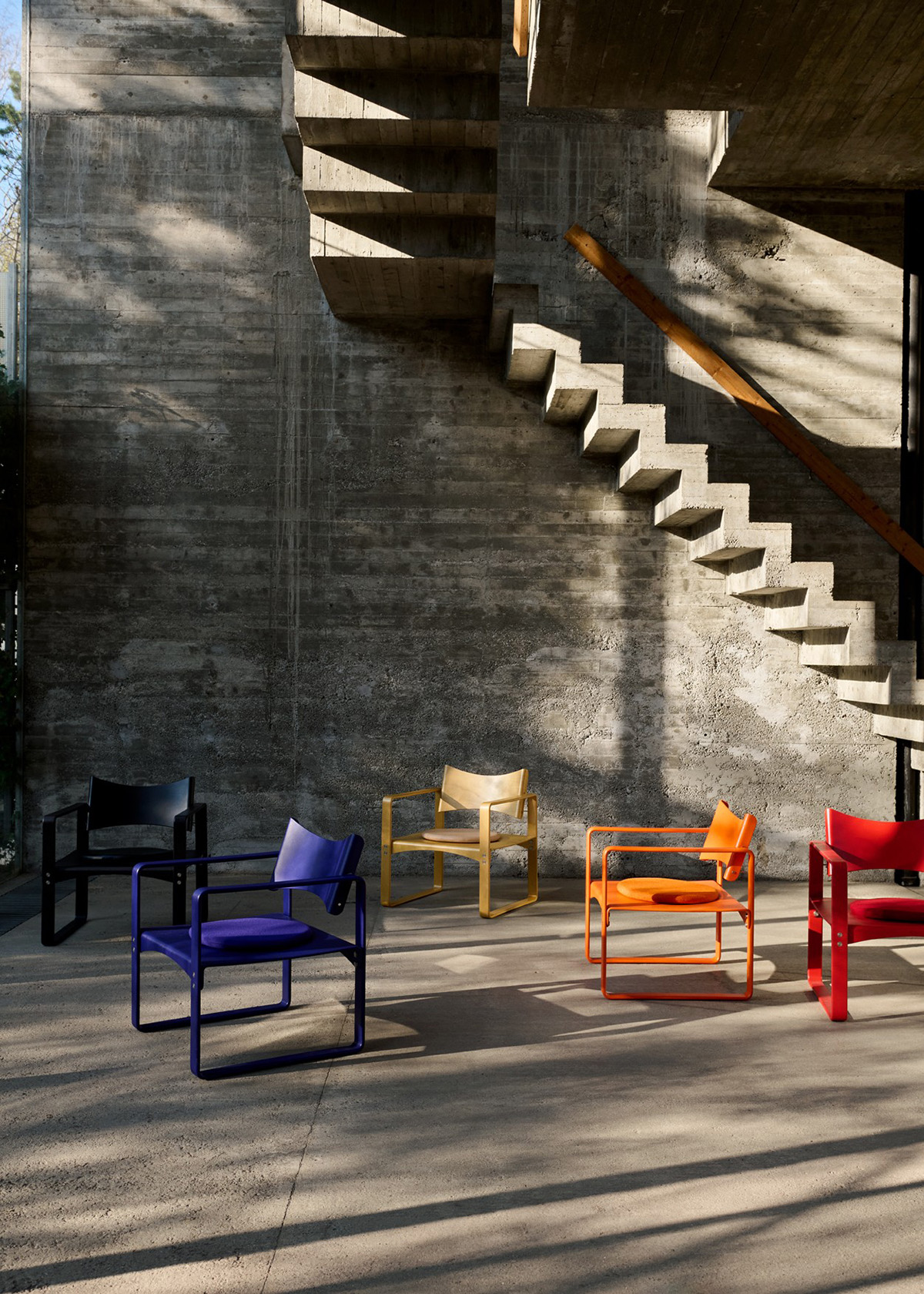
Composed of bent and lacquered FSC-certified birch plywood, the Series 270 F Armchair embodies visual lightness and formal clarity. Its instantly recognisable frame – produced in a range of striking colours including blue, red, orange, black, and honey-stained – can be paired with cushions in Kvadrat Hallingdal textile or Sørensens leather. The result is a thoroughly modern chair that feels just as imaginative and forward-thinking today as it did six decades ago.
As a serial production model, the Series 270 F was conceived as a modular system – three distinct sections that could be combined to create a wide range of configurations, including chairs, armchairs, tables, and stools.
Originally manufactured in Germany for Gebr. Thonet, today in Latvia, it was awarded the bronze medal at the Österreichischen Bauzentrum in Vienna in 1968. A later variant of the series, featuring upholstered seats and backs, received the Deutsche Auswahl 1982 accolade from the Design Center Stuttgart.
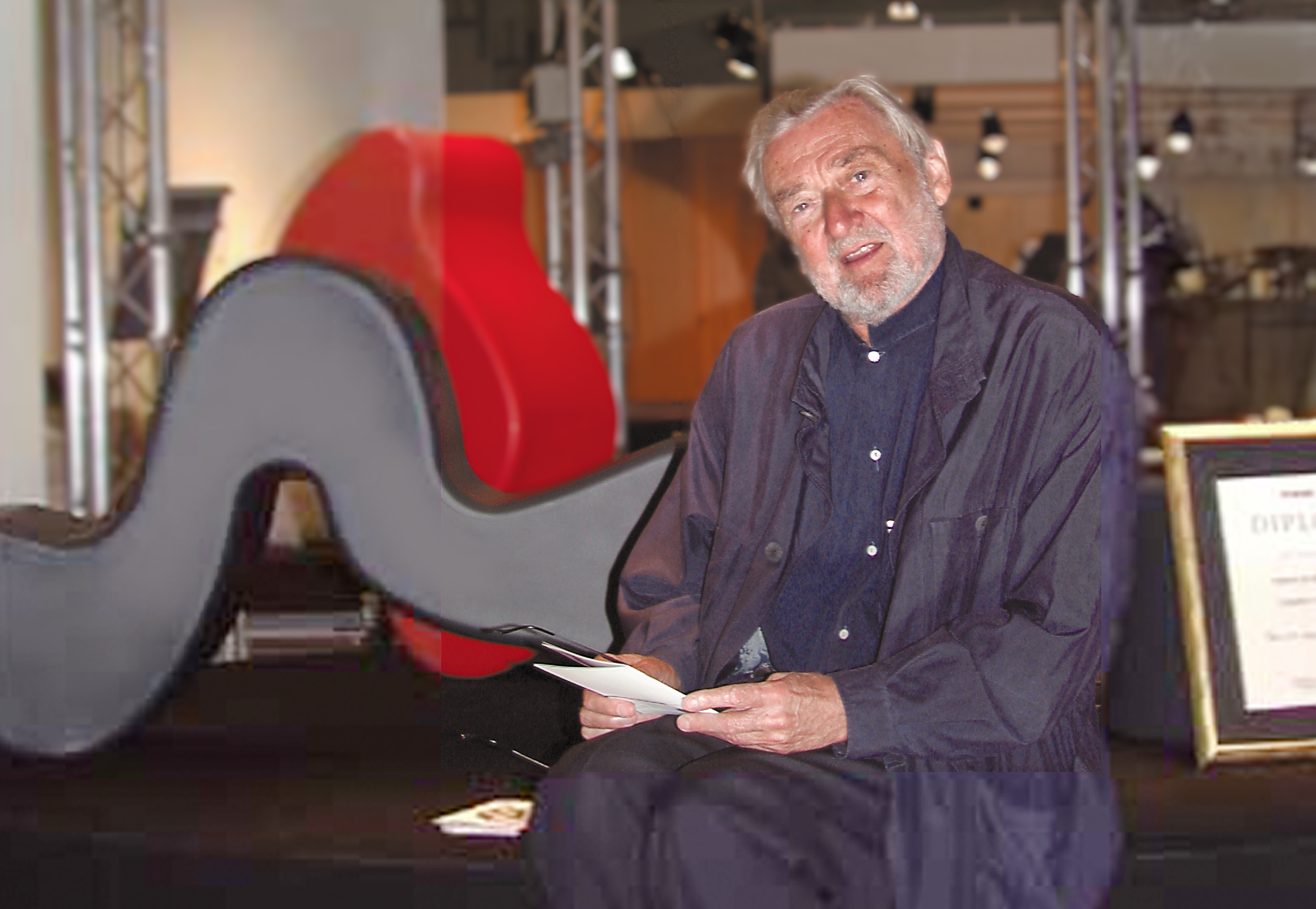 Born in 1926, Verner Panton came to represent a new direction and energy in Danish design history – deeply original, daringly experimental – for close to five decades. Creating visually distinctive furniture, lighting and objects as well as immersive interiors, his spirit and work remains radically ahead of the curve. Concerned with the future and our capacity to imagine it, his vast output is full of vibrant and playful pieces with a social character, made to be enjoyed, for pleasure.
VERPAN – for Verner Panton – is a design company working closely with Verner Panton Design AG to preserve, reissue and recontextualise the Danish architect and designer’s radiant body of work – from minute objects to immersive environments. Verner Panton’s lighting and furniture is testament to a playful and unconventional spirit, spanning his most celebrated work and recently rediscovered pieces.
More design by Verner Panton:

Louis Poulsen Reissues the Original Panthella Lamp by Verner Panton
BRINGING BACK THE ORIGINALS Louis Poulsen is proud to bring back the original five Panthella …
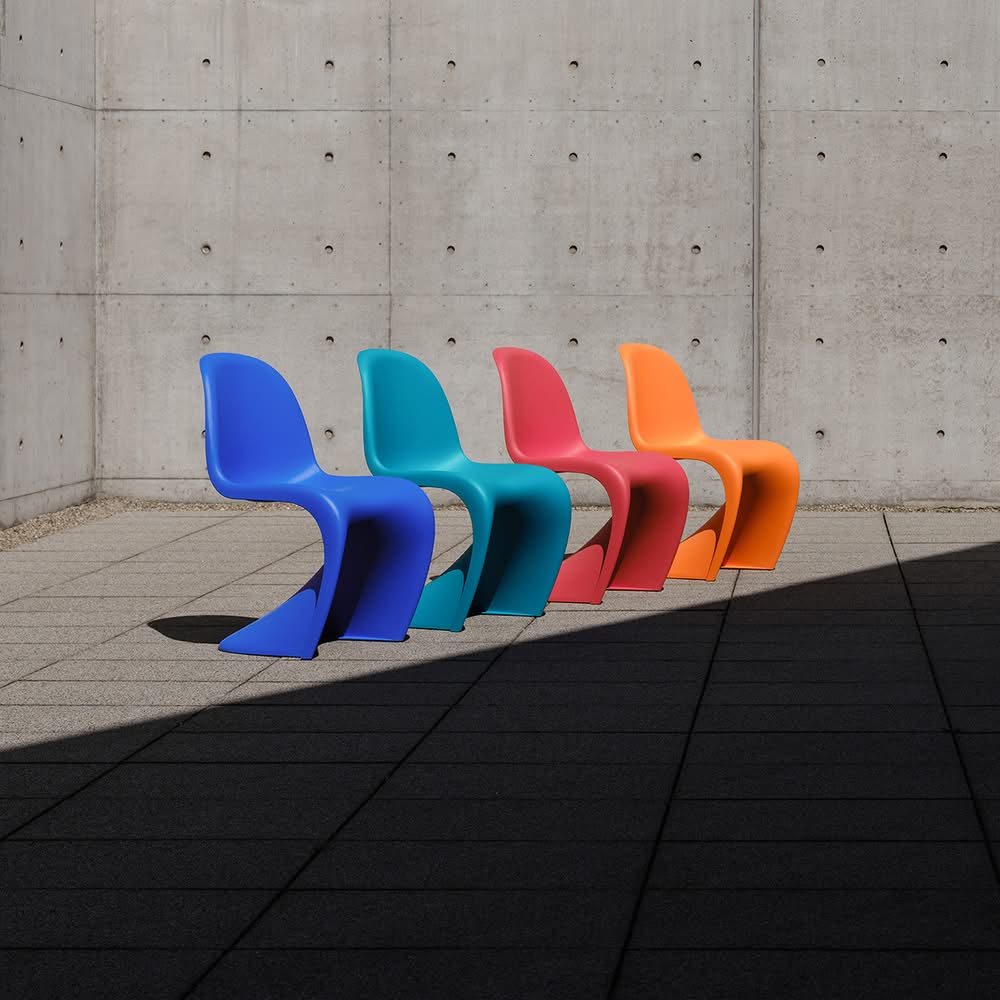
Panton Chair Limited Edition 2026
Verner Panton is known for two things: his innovative design language and his radical use …
System 1-2-3 Chaise Lounge by Verner Panton @ 3dayssofdesign
During 3daysofdesign, VERPAN joins the exhibition Living Verner Panton, presented by Verner Panton Design AG at …
Verner Panton’s Wire series expands by &Tradition
Verner Panton’s Wire series expands with the introduction of a coffee table, bar stool, and …
Moon Opal Pendant in a new larger version by Verner Panton
Moon Opal Ø44,5 Designed in 1960, the Moon represents one of Verner Panton’s earliest designs …
&Tradition Releases Pewter Flowerpot for Verner Panton’s 100 Years
Flowerpot Anniversary Edition To honour the 100th anniversary of the birth of Verner Panton, &Tradition …
All design & news from Verner Panton: The Dane Who Made Colour Structural →