
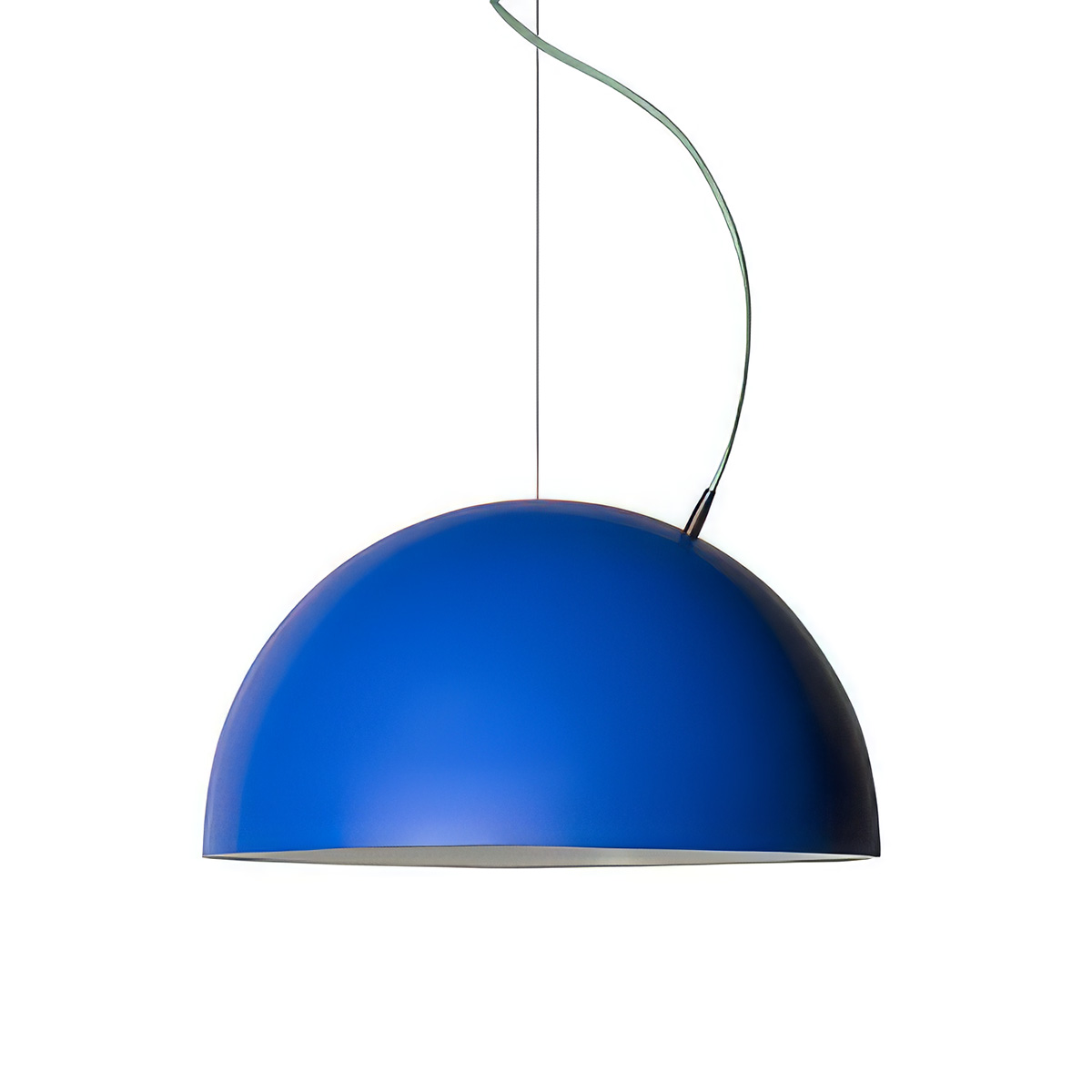
The design
At Orgatec 2026 in Cologne, Swedish designer Alexander Lervik presented Stella, a new pendant lamp for Noon. The starting point is a classic metal hemisphere, given a new identity through a single detail: the way the cable meets the shade. Instead of dropping straight from the top, the cable enters the shade from the side and winds its way up to the ceiling. The cable attachment itself becomes the defining feature of the design.
“What if the cable wasn’t something to hide?” Lervik asks. When several Stella pendants hang together, their cables draw lines through the room.
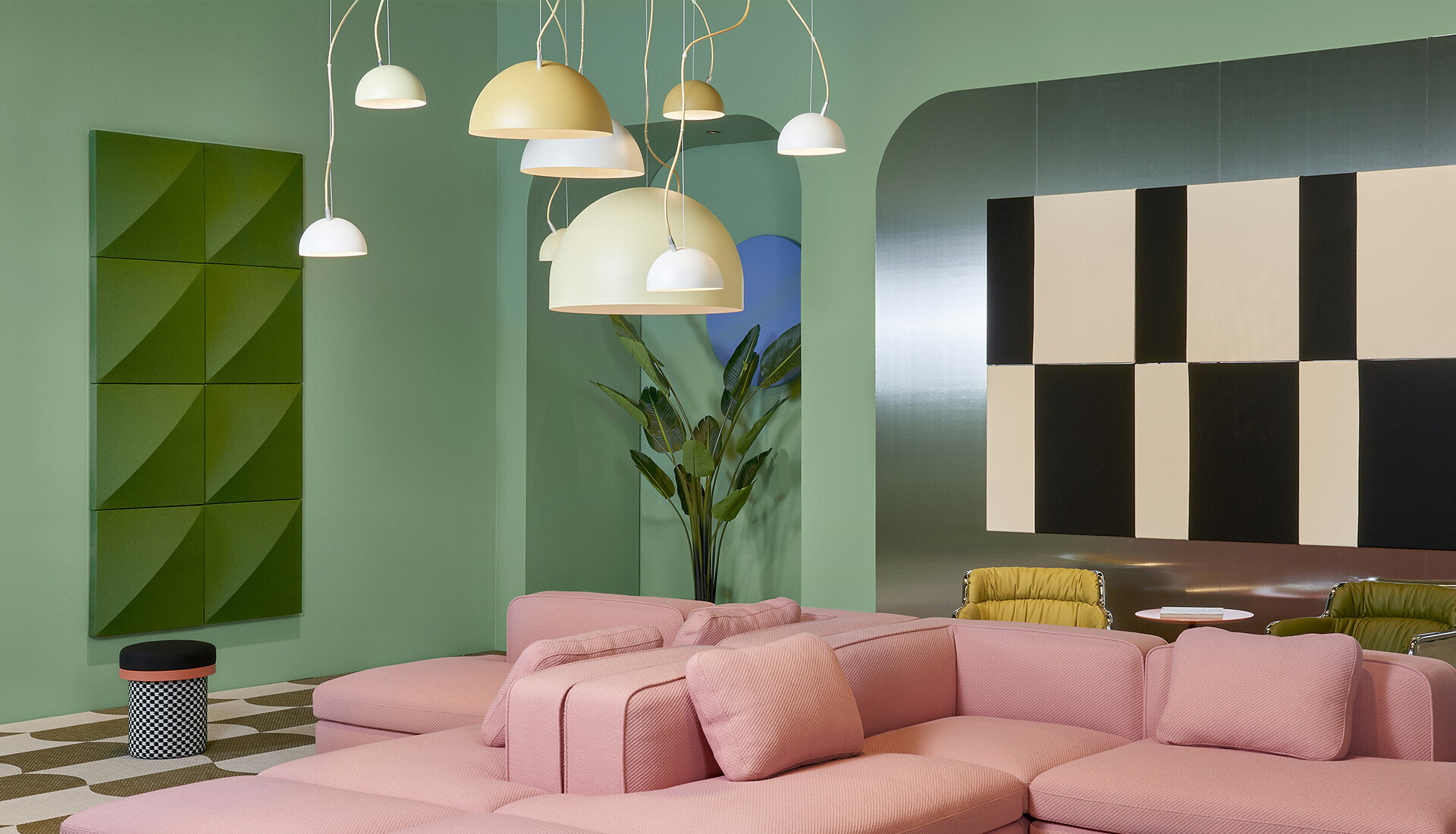
Sizes and colours
Stella comes in three sizes, 20, 40 and 60 cm. The shade is available in 200 colours as standard and the cable in 70 colours, so the two can be matched or set in contrast.
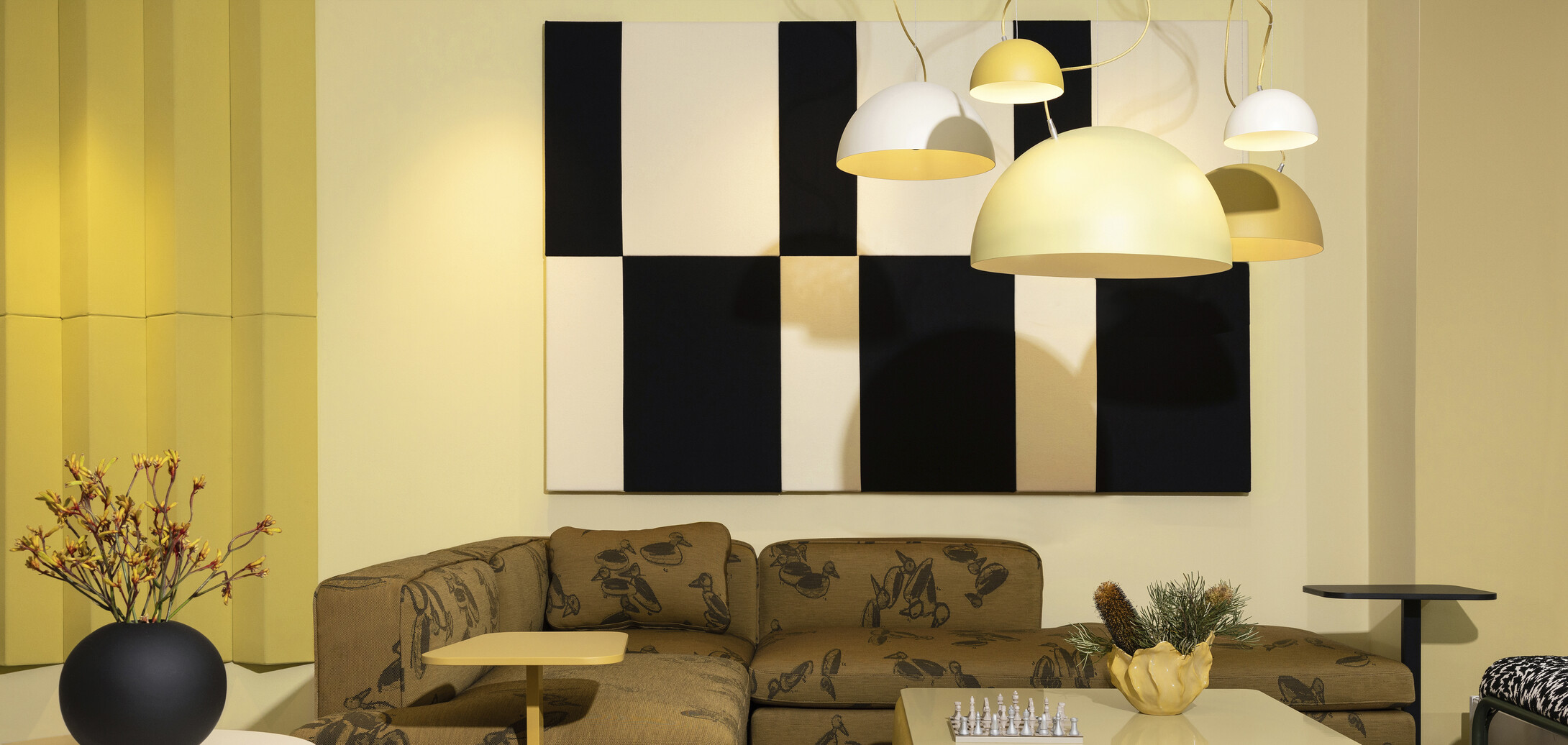
Part of a growing family at Noon
Stella builds directly on Lervik’s Castor pendant. Castor reworked the cone-shaped lampshade by making suspension and power supply part of the design: a coloured cable spirals above the shade, with small clips that set the diameter of the spiral. It uses the same 200-colour range and the same three sizes. In April 2026 the series was extended with a floor and a table lamp, and the Castor table lamp was also shown at Orgatec alongside Stella.
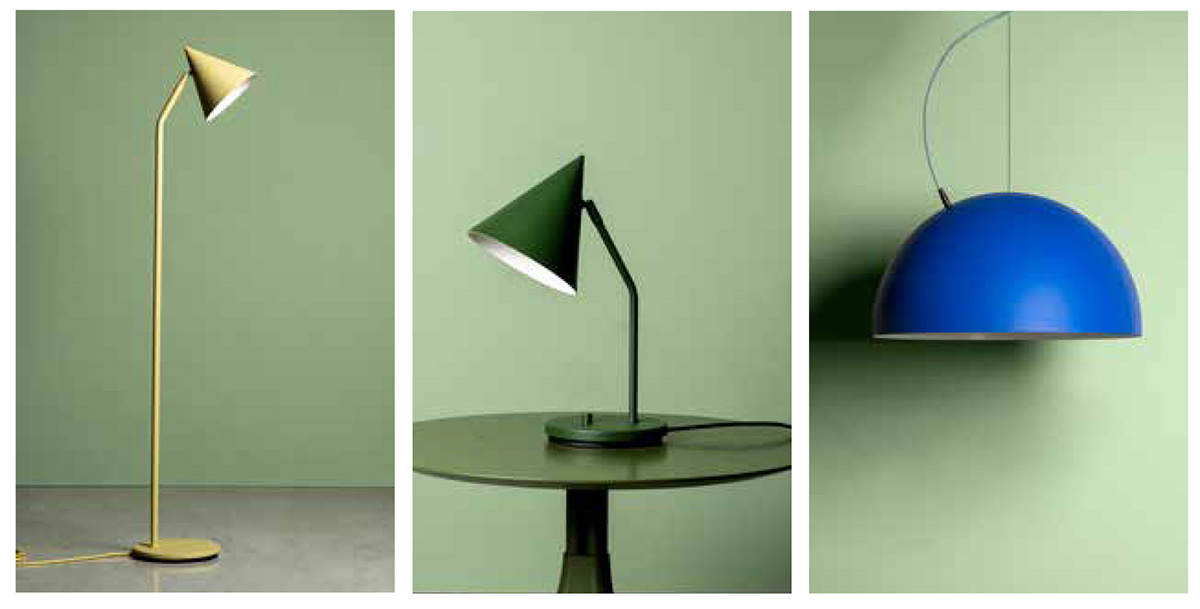
Lervik’s earlier lamps for Noon include the Dia pendant, which hides the light source inside the fixture to create an illusion of form and light. They also include the Ori paper lamp, which turns the desk lamp into a light sculpture. Lervik is artistic director at Noon, and colour has been the brand’s central argument from the start, as covered in Noon Lighting by Alexander Lervik.
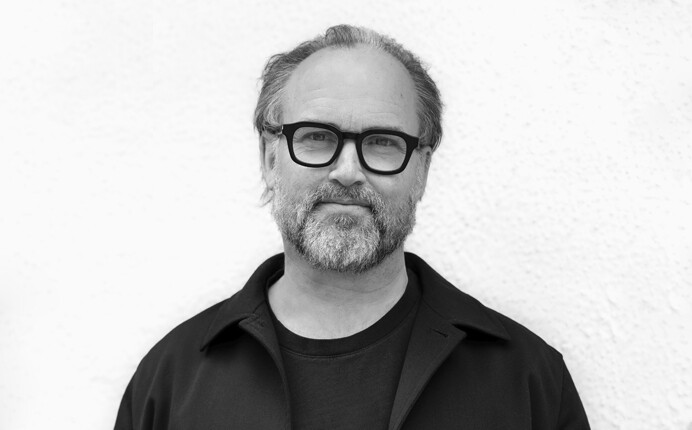
About Alexander Lervik
Light runs through Lervik’s work. That is not surprising for a designer from a country where darkness dominates much of the year. Three years after graduating from Beckmans College of Design, he presented Bright Handle, a door handle that glows an idle green or a busy red.
His later light works include:
- the fibre-optic Sense Light Swing
- Rainbow, a lampshade with 300 tiny LED lights integrated into the shade
- LED Light Bulb, which places a small LED-lit, 3D-printed ballerina inside the traditional bulb shape
- MyBrain, his most extreme piece, a lamp 3D-printed from an MRI scan of his own brain
His light creations are represented at Nationalmuseum in Stockholm, the Röhsska Museum in Gothenburg and several other collections. The breadth of the practice was traced in his 2018 retrospective at Kulturhuset Stockholm.
Colour is a strong element in all of his designs. Through Noon, he wants to bring colour to a lighting industry he considers overly conservative.
“Surely we can be more playful in Scandinavian design and surely we need more colour in the design industry around the world! I am fully convinced that my artistic experiments make my commercial products even better,” says Alexander Lervik.
By Editorial Team, ScandinavianDesign.com

More design by Alexander Lervik:
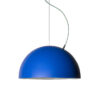
Alexander Lervik’s Stella Pendant for Noon Turns the Cable into the Design
The design At Orgatec 2026 in Cologne, Swedish designer Alexander Lervik presented Stella, a new …

Alexander Lervik Expands Castor Series with Floor and Table Lamp
Swedish designer Alexander Lervik has extended the Castor series for Noon Light with two new …
Five series are given new life as Alexander Lervik updates Johanson ahead of 2026
What is, in fact, the greatest sustainability gains a furniture manufacturer can achieve? The question …

Alexander Lervik opens gallery in Skåne
Alexander Lervik opens gallery in Skåne – collectible design as a long-term sustainability strategyIn connection …
Dia pendant lighting design by Alexander Lervik for Noon Light
With the light source hidden in the lamp fixture, an illusion of form and light …

Castor design by Alexander Lervik – Noon
Castor reinvents the classic cone-shaped lampshade. By making the suspension and power supply part of …