
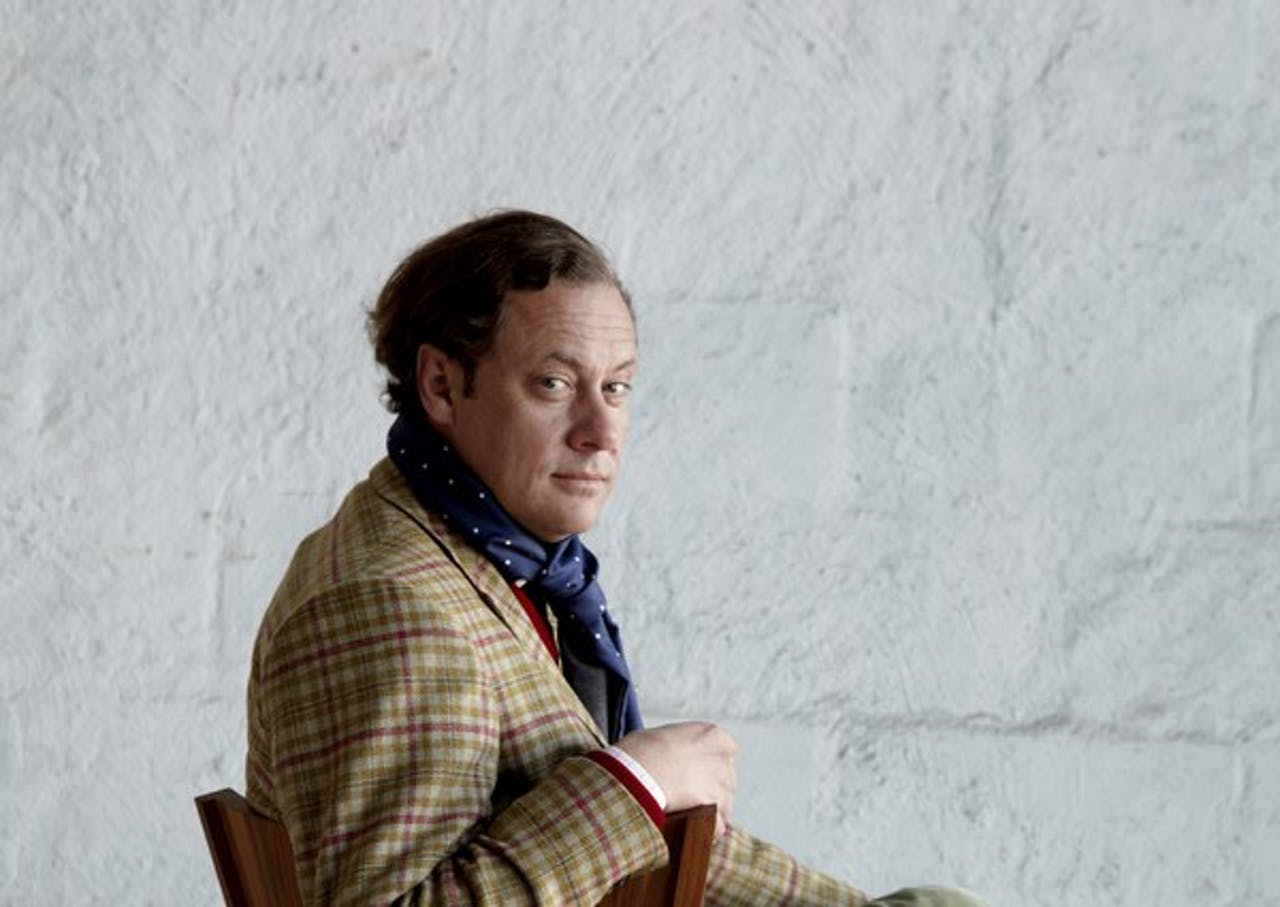
Jonas Lindvall represents the sophisticated evolution of Scandinavian design from its mid-century origins into a more nuanced, historically-informed contemporary practice. His “resonance law” philosophy—the belief that objects actively shape human experience rather than merely reflect it—has guided three decades of work that bridges traditional craftsmanship with modern functionality. Operating from Malmö rather than Stockholm, Lindvall has established himself as one of Sweden’s most versatile and philosophically coherent designers, with works in the Victoria & Albert Museum and consistent recognition across furniture, architecture, and lighting design.
Philosophical foundation and design DNA
Lindvall’s design philosophy centers on what he calls the “resonance law”: “Buildings, rooms, furniture, lighting – these all have an effect on us. Our surroundings should not only reflect the way we want to feel, but should affect us in every aspect of our daily life.” This principle elevates his practice beyond mere aesthetics into environmental psychology, positioning design as an active force in human wellbeing.
His approach to creating “objects that have a familiar quality through a connection with the history of the object, yet are – at the same time – interesting and modern” manifests through deep historical research. The Miss Holly chair (2011) draws from 18th-century turned chairs while creating a contemporary Windsor interpretation named after Audrey Hepburn’s character in “Breakfast at Tiffany’s.” Similarly, his Bernard chair (2008) required four years of development to create a piece that “visually and technically could have been made 700 years ago yet still appears modern.”
Critical analysis positions Lindvall as distinct from his Stockholm-centric contemporaries through his “rejection of any particular style or trend” and his commitment to what sources describe as “traditional craftsmanship” combined with “tireless curiosity and a passion for history.” His working method involves obsessive attention to detail where “everything is scrutinized, all consuming to an almost addictive degree.”
Iconic projects that define the practice
Furniture design: The Skandiform legacy and beyond
Lindvall’s furniture career crystallized with the Oak Chair (1999, S-049/S-050) for Skandiform, which won “Furniture of The Year” in 2001. Constructed from solid oak with classical proportions drawing from “Ancient Greece to French Empire influences,” this stackable design established his reputation for creating contemporary classics rooted in historical understanding.
The Papa and Mama chair series (2001) for Skandiform demonstrates his narrative approach to design. Papa (F-275) embodies “Danish golden age along with Hemingway’s grandiosity,” while Mama (F-225/F-226) creates “perfect partners that provide relaxed setting for intimate occasions.” Both pieces entered the Victoria & Albert Museum’s permanent collection, cementing their status as contemporary design classics.
His Miss Holly collection for Stolab (2011-present) represents perhaps his most successful furniture system. The original chair, with its eight uniquely turned sticks and five finish options, has expanded into bar stools, tables, upholstered versions, and storage solutions. The collection’s success in high-end restaurants like the two-Michelin-starred Gastrologik demonstrates how Lindvall’s furniture performs in demanding professional environments.
The P77 armchair (2011) for Johanson Design showcases his technical innovation—a lightweight aluminum and injection-molded plastic construction that achieved Nordic Swan Eco Label certification while maintaining aesthetic sophistication. This piece demonstrates his ability to work with modern materials while preserving design integrity.
Architectural excellence: Villas and sacred spaces
Villa M2 (2008) established Lindvall’s architectural reputation through its L-shaped design utilizing wood, aluminum, and premium stones including Azul Bateig and Arabescato marble. The villa’s floor-to-ceiling retractable windows and cantilevered master suite created such visual impact that it was featured in the Swedish-Danish television series “The Bridge,” bringing international attention to his architectural work.
Villa N1 (2014) in Frösakull demonstrates his mastery of traditional Swedish building typologies reinterpreted for contemporary living. The 190m² single-story design comprises five interconnected pavilion-like volumes that reference traditional pitched-roof barns while providing modern spatial experiences through Carrara marble and Pietra Serena stone details.
His ecclesiastical work at Ersta Kyrka (2014-2015) reveals his sensitivity to historical contexts. Working within a 19th-century neo-Gothic church, Lindvall created an altar and font in Öland limestone with pews and ambo in oiled oak, maintaining fidelity to the existing architecture while adding distinctly contemporary elements.
Restaurant interiors: Creating atmospheric experiences
The Gastrologik restaurant (2011) interior exemplifies Lindvall’s holistic approach to environmental design. Using 30mm thick Dinesen oak flooring with custom W124 pendant lights and Miss Holly chairs, he created an atmosphere worthy of the restaurant’s two Michelin stars. The glass and copper partition between kitchen and dining area demonstrates his attention to both aesthetic and functional requirements in hospitality design.
His Izakaya Koi restaurant (1993) earned him the prestigious “Golden Chair” award from the Swedish Association of Architects and remained largely unchanged for 20 years—testament to the timeless quality of his environmental design.
Manufacturing partnerships and commercial success
Lindvall’s manufacturer relationships demonstrate sophisticated understanding of production capabilities and market positioning. His 15-year partnership with Ballingslöv has produced award-winning kitchen series including the K2 series (winner of Elle Decoration Sweden’s Kitchen of the Year 2011), showcasing his ability to work across different scales and product categories.
The Stolab collaboration, spanning over a decade, has produced the most commercially successful furniture line in his career. The Miss Holly system’s expansion from a single chair to a complete furniture family demonstrates both market acceptance and design system thinking. Stolab CEO Martin Johansson describes the collaboration as “invaluable,” indicating the mutual benefit of long-term manufacturer relationships.
His Wästberg lighting partnership produced the W124 Lindvall series (2011-2013), inspired by oil lamps and candlesticks. Available in hand-brushed copper, brass, or white lacquered steel, these pieces provide both direct downward light and indirect ambient illumination through open tops—demonstrating his understanding of lighting as environmental orchestration.
Recognition and cultural impact
Lindvall’s four consecutive “Excellent Swedish Design” awards and inclusion in major museum collections position him at the forefront of contemporary Scandinavian design. Wallpaper magazine’s 2004 recognition of him as one of three designers producing “tomorrow’s most collectible furniture” proved prescient, with his pieces now commanding significant secondary market prices.
The 2015 retrospective at Landskrona Konsthall provided comprehensive overview of his 20-year career, featuring everything from 3D models to finished environments. His work’s presence in exhibitions like “Woodland Sweden – Contemporary Timber Construction” at Berlin’s Aedes Architecture Forum demonstrates international recognition of his architectural contributions.
Contemporary practice and future trajectory
Operating from Lindvall A&D in Limhamn since the mid-1990s, the studio maintains focus on high-quality craftsmanship while expanding into larger-scale residential developments. Recent projects include the Trelleborg gasworks residential development and Brunnshög district collaboration in Lund, indicating growth in urban planning scale.
His recent work continues evolving the Miss Holly system with new additions while exploring residential development opportunities throughout southern Sweden. The 2020 Bukowskis anniversary edition of 12 Miss Holly chairs in smoked oak with brass authentication labels demonstrates the collectible status his furniture has achieved.
Position within Scandinavian design evolution
Jonas Lindvall occupies a unique position in contemporary Scandinavian design as both traditionalist and innovator. Unlike the Stockholm design establishment’s pursuit of international trends, his Malmö-based practice maintains deeper connections to historical craft traditions while creating thoroughly contemporary solutions. His “resonance law” philosophy provides theoretical framework that elevates Scandinavian design beyond its functional and aesthetic foundations into environmental psychology.
His influence extends beyond individual objects to encompass a design methodology that younger designers increasingly adopt—deep historical research informing contemporary solutions, obsessive attention to craft details, and understanding of how designed environments actively shape human experience. In an era of rapid design cycles and trend-driven production, Lindvall’s commitment to creating objects “made to last for 500 years” positions him as both guardian of Scandinavian design values and architect of their future evolution.
Through consistent excellence across furniture, architecture, and lighting over three decades, Jonas Lindvall has established himself as one of Sweden’s most significant contemporary designers—a practitioner whose work demonstrates that modern Scandinavian design can honor its craft heritage while addressing contemporary needs with philosophical depth and emotional resonance.
More design by Jonas Lindvall
New wheels of fortune – Bombito design by Jonas Lindvall for Skandiform
Move it around and enjoy your freedom New wheels of fortune – Bombito, Bombito high, …

Jonas Lindvall: Master of Contemporary Scandinavian Resonance
Jonas Lindvall represents the sophisticated evolution of Scandinavian design from its mid-century origins into a …
Miss Button stool by Jonas Lindvall for Stolab
Miss Button is a stool founded on tradition and history With the aim of being …
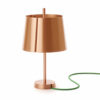
w124 T Lindvall design by Jonas Lindvall – Wästberg
w124 T Lindvall In a collaboration with architect and designer Jonas Lindvall, we experimented with …

Classic materials in a new light by Jonas Lindvall – Wästberg
w124 Lindvall In a collaboration with architect and designer Jonas Lindvall, we experimented with various …

The Miss Tailor Bench by Jonas Lindvall – Stolab
The table Miss Tailor has now been joined by a bench with the same name …