

An Object with a Mind of Its Own
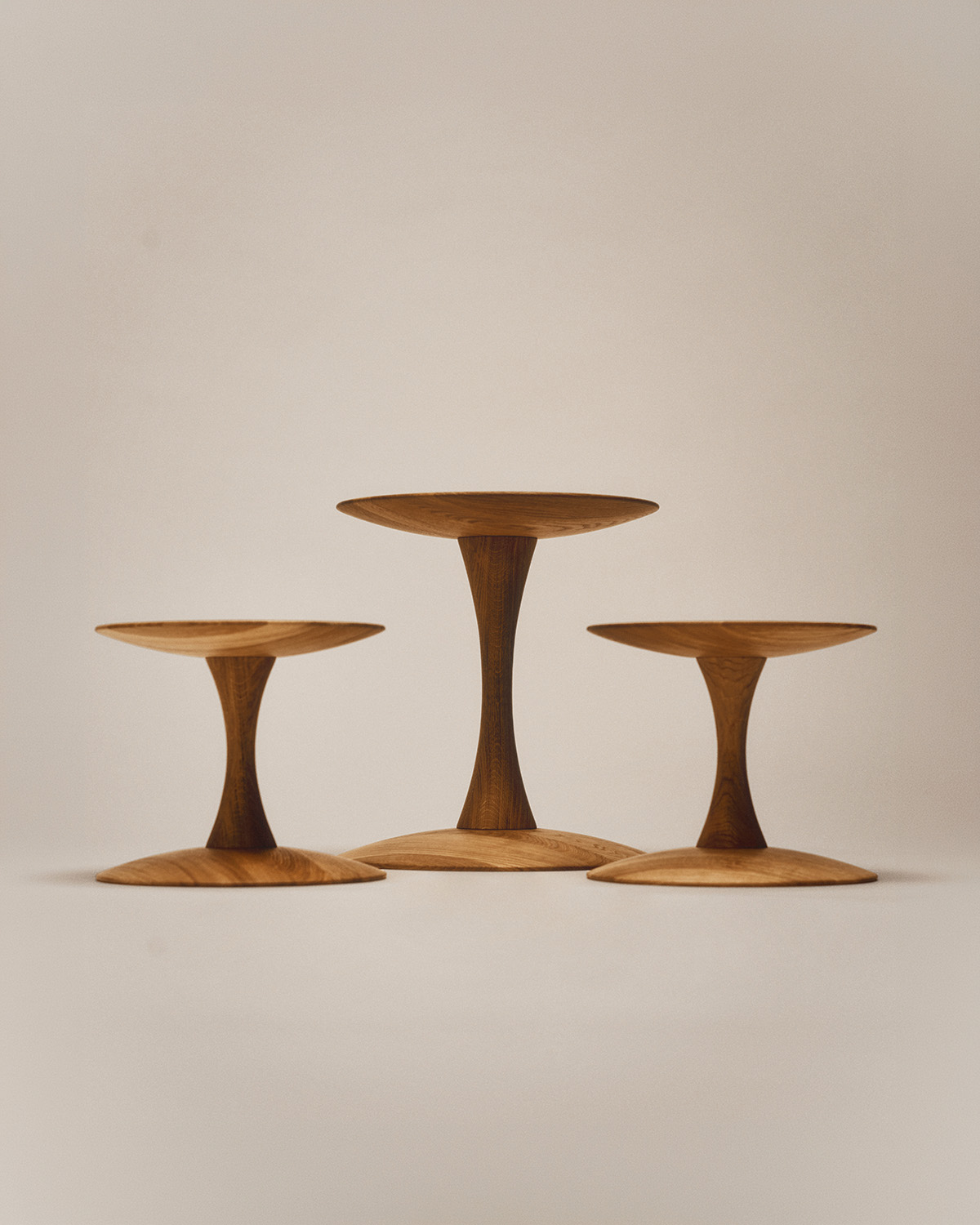
Crafted in Denmark at Fredericia’s joinery, Nanna Ditzel’s Trisse from 1962 returns as a family of flexible objects, now reintroduced in solid oak.
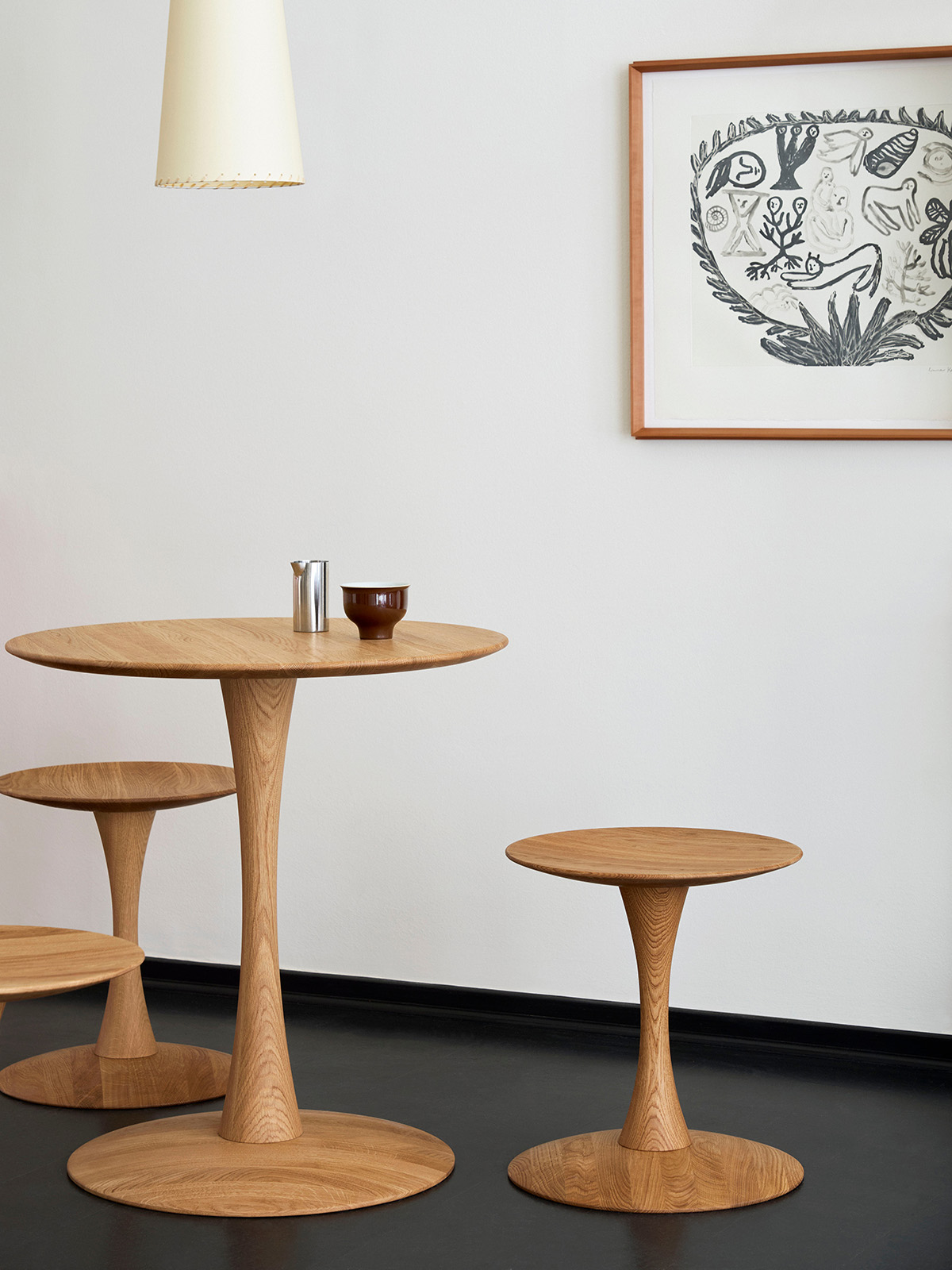
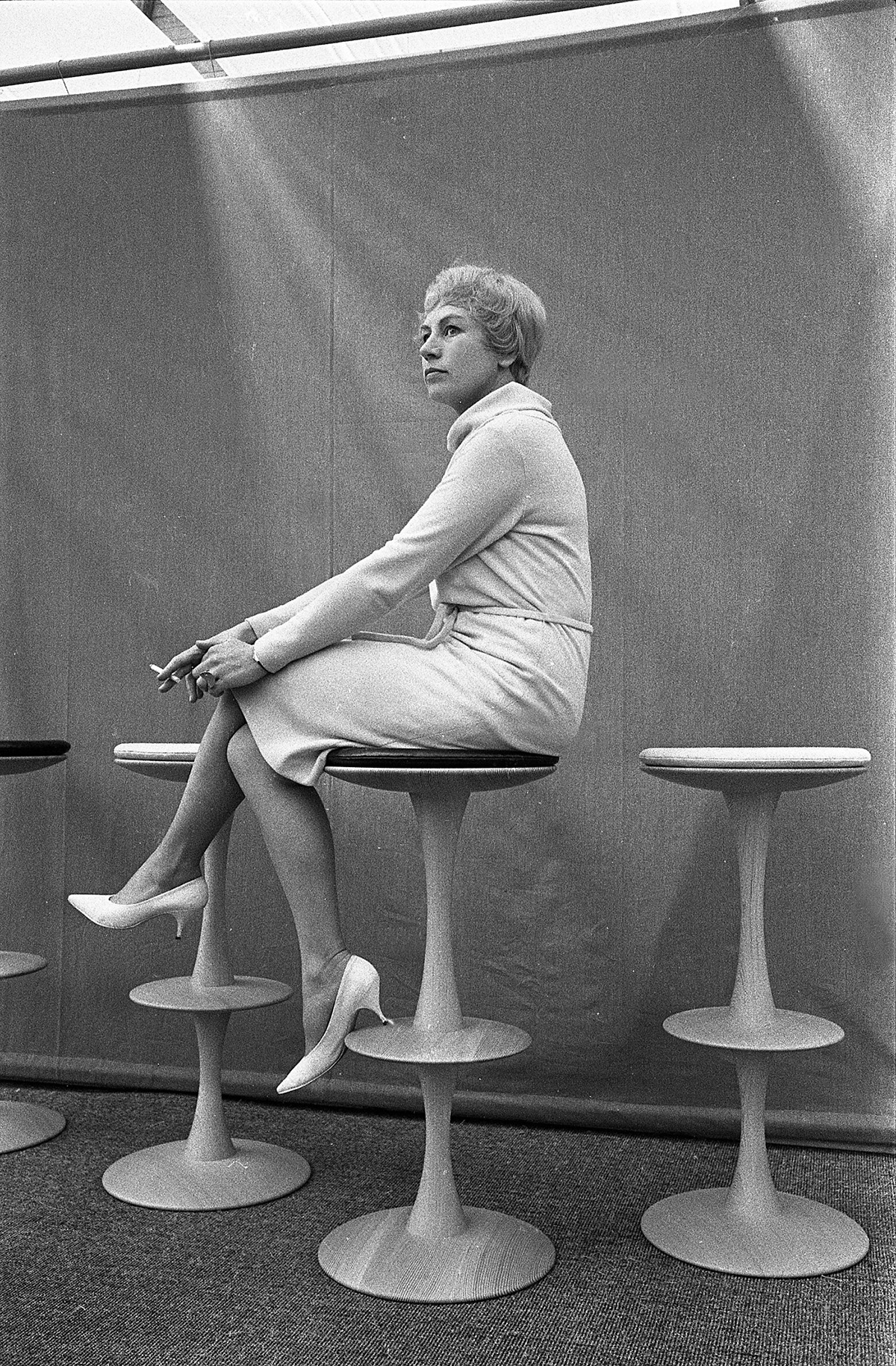
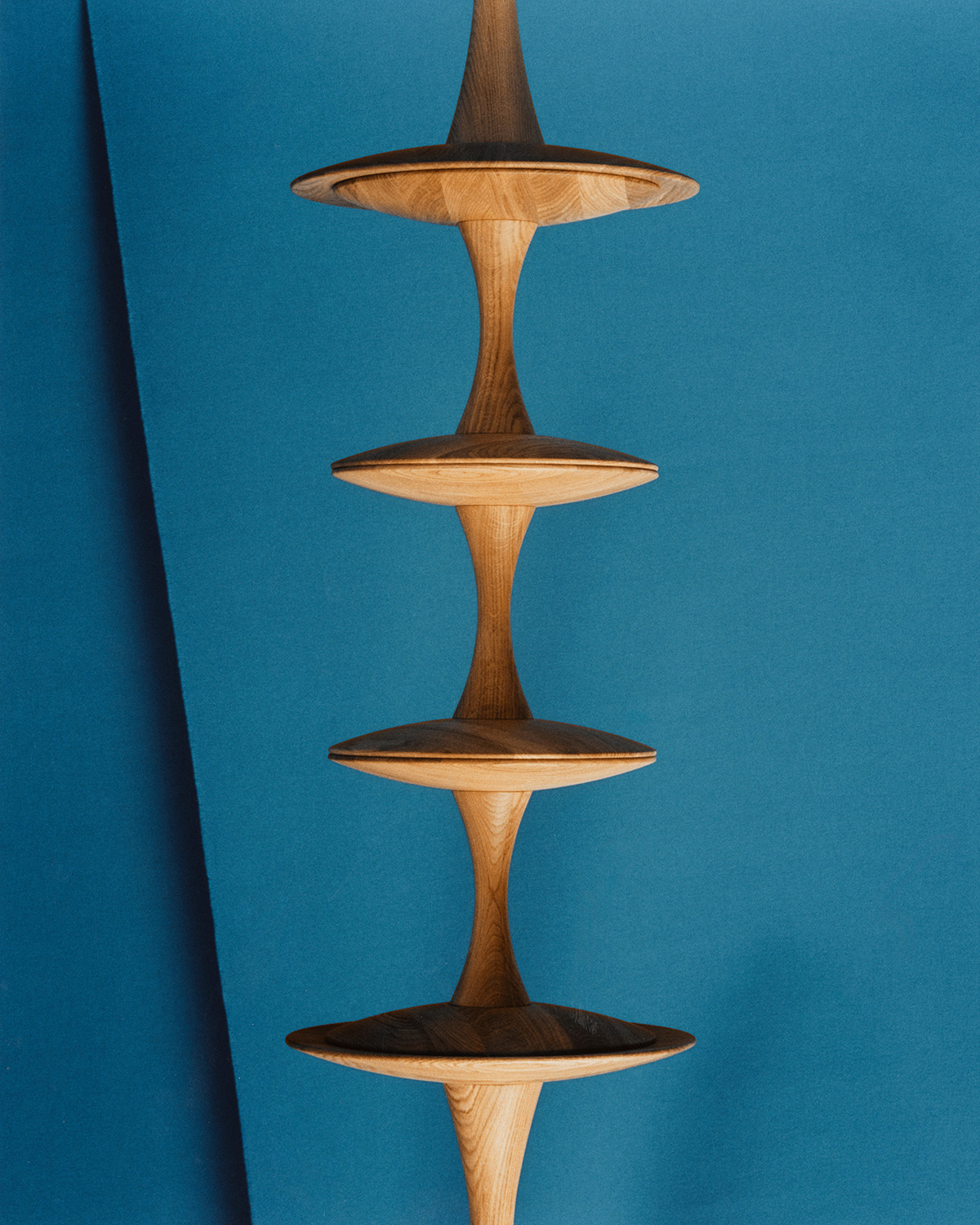
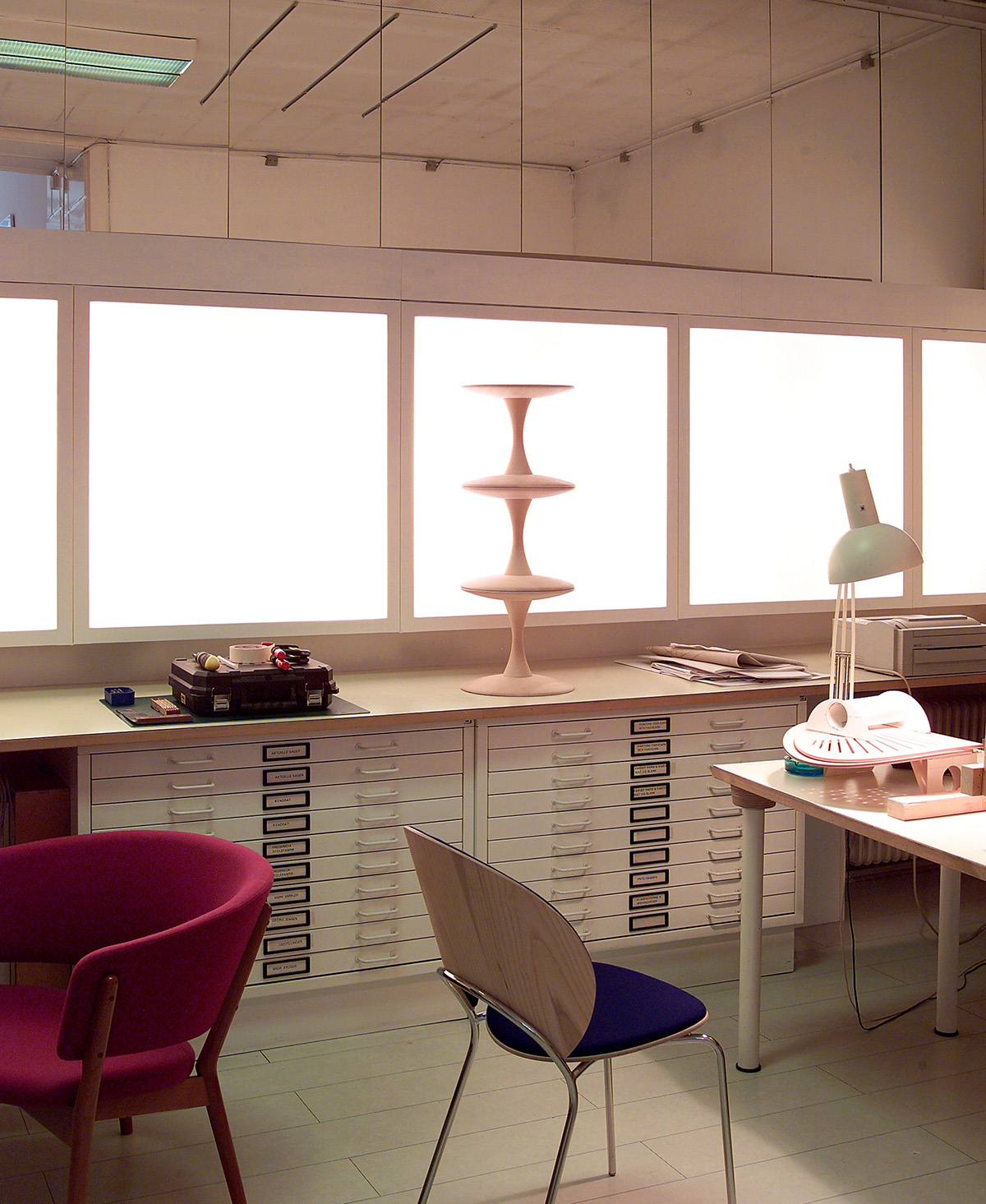
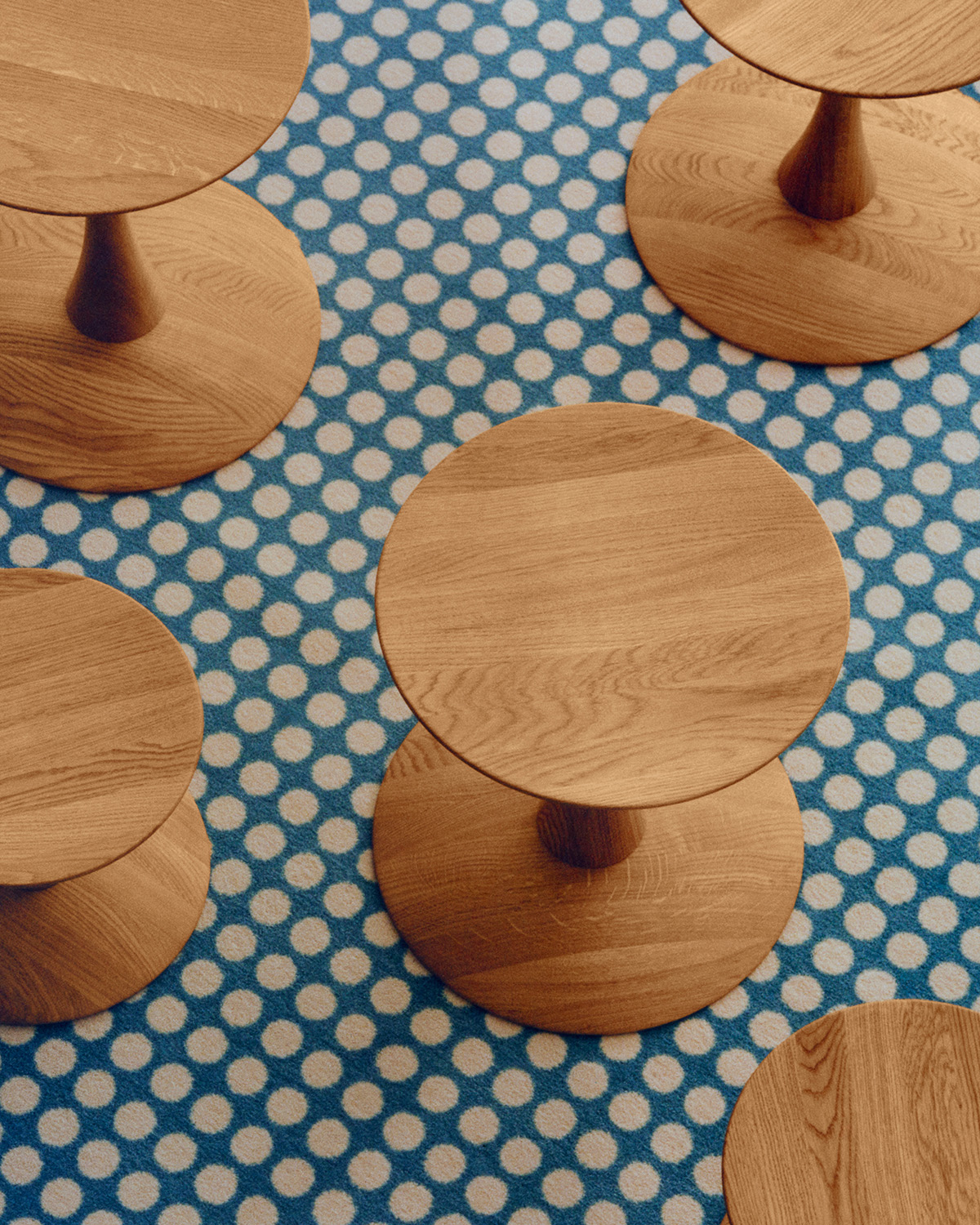
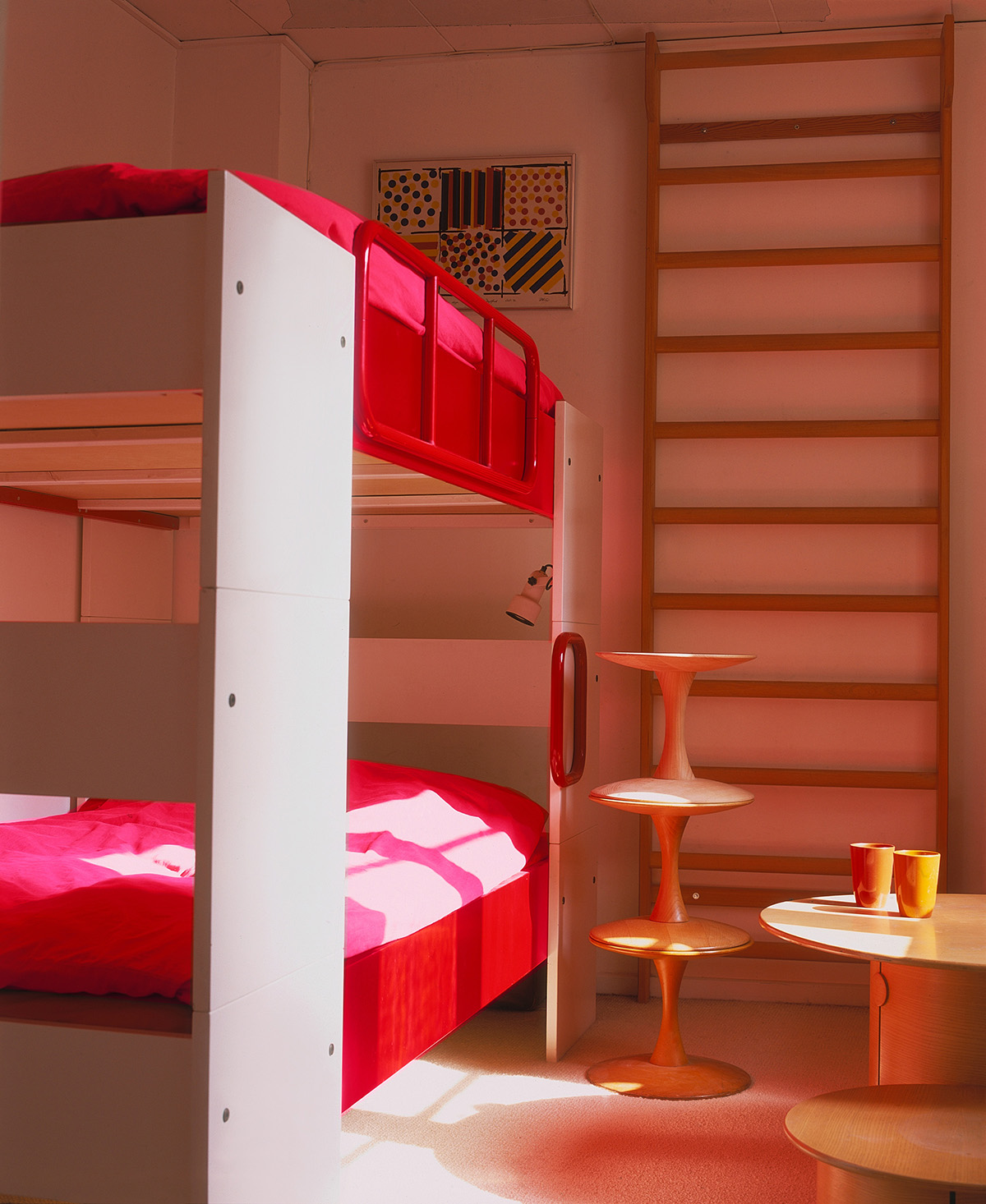
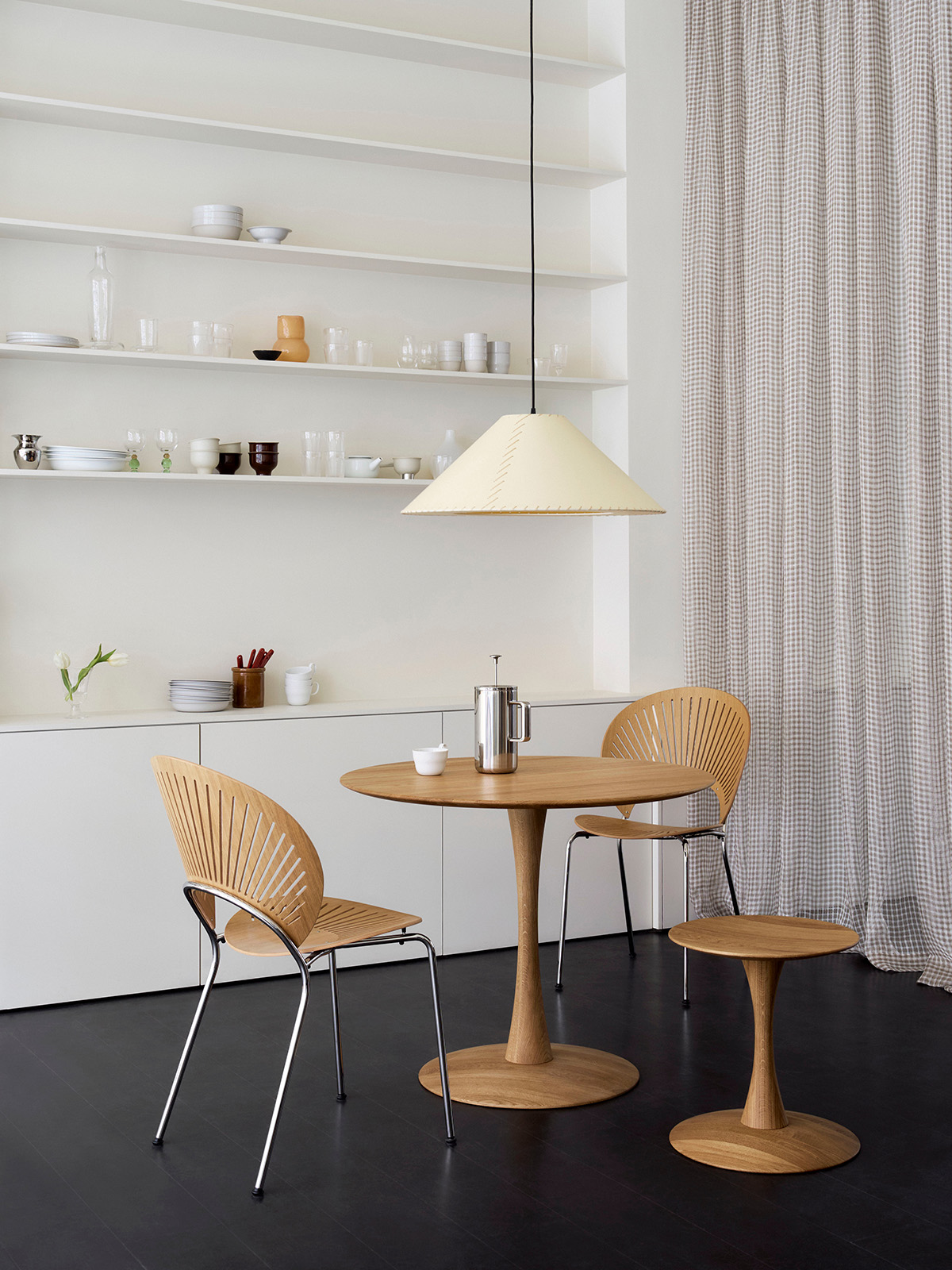
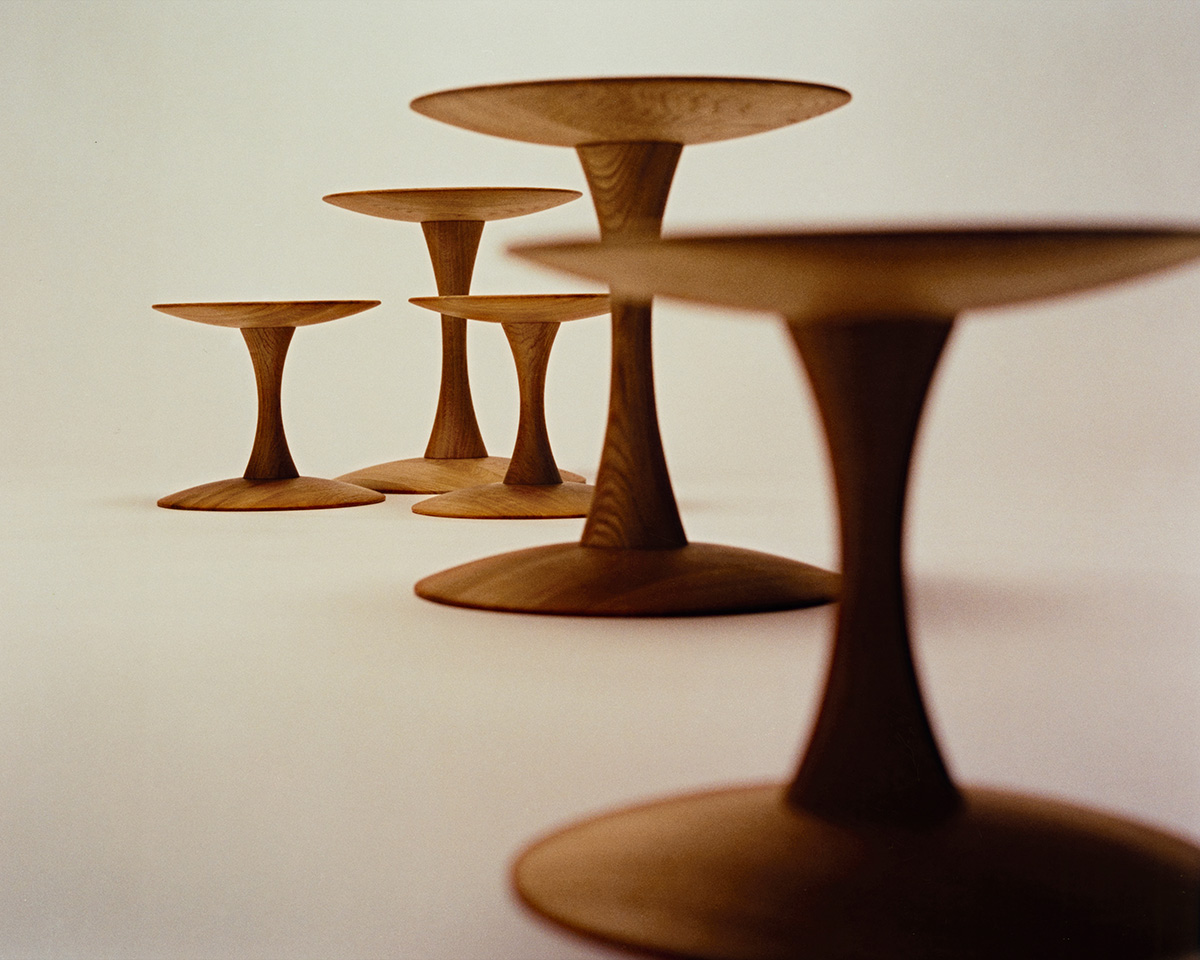
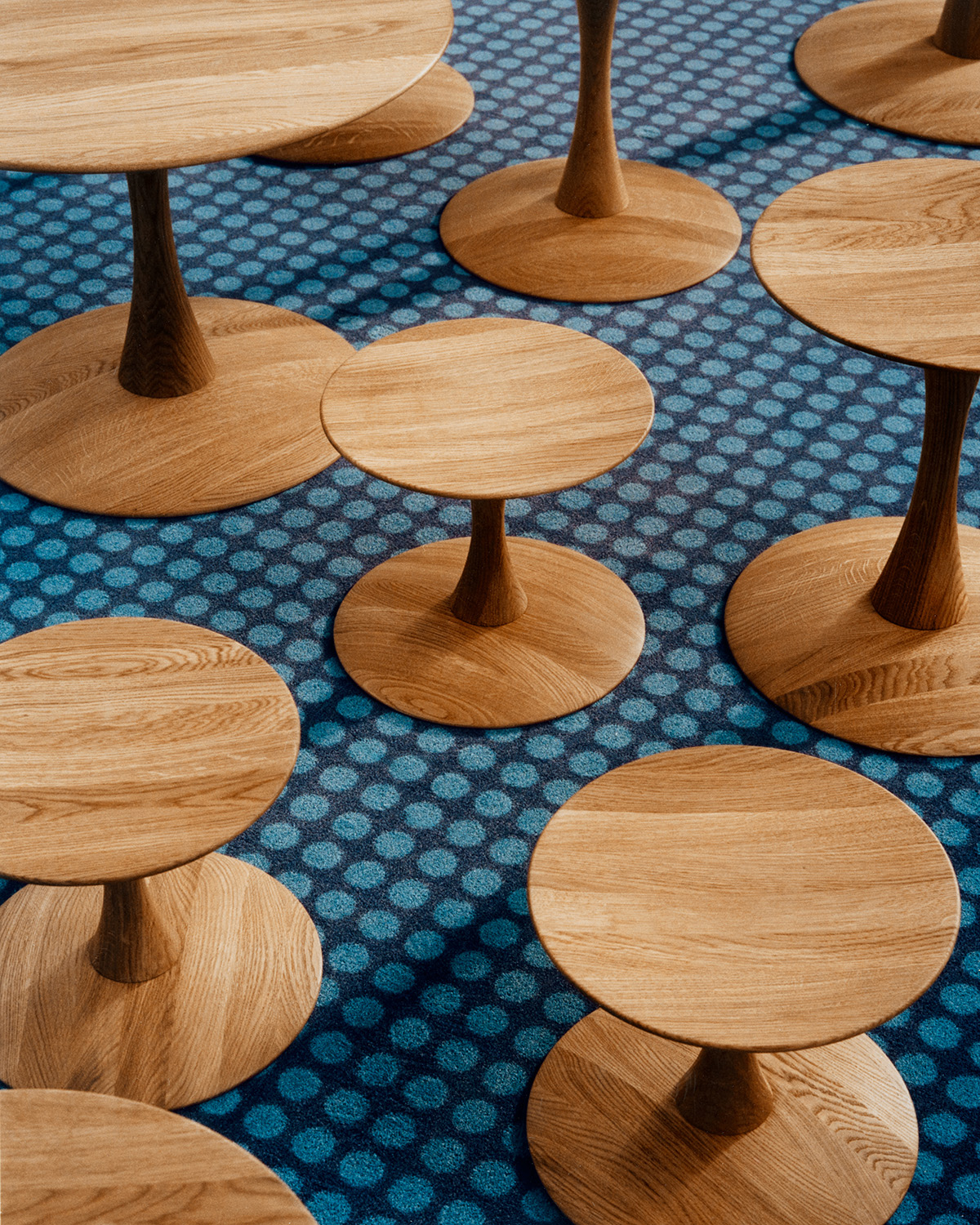
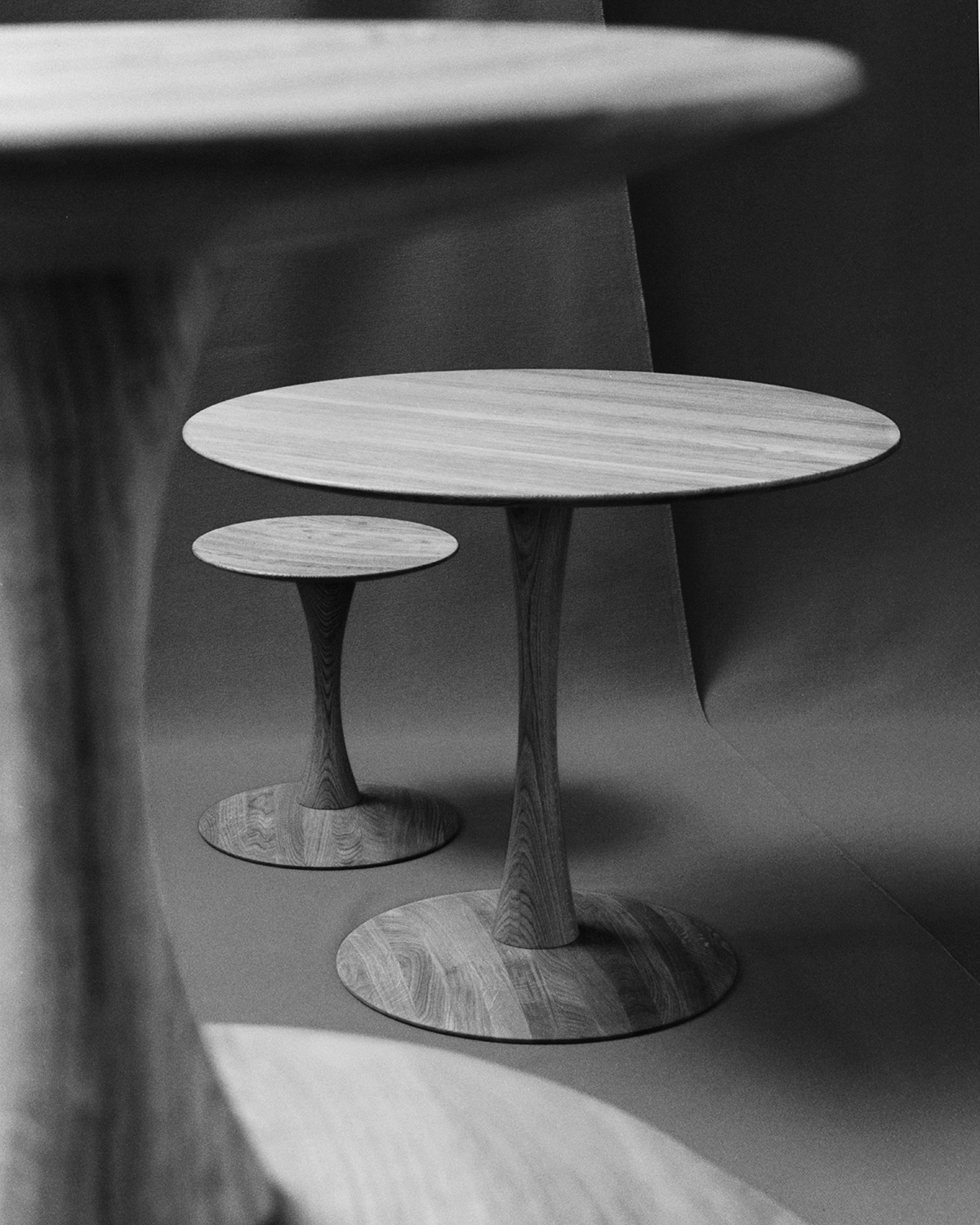
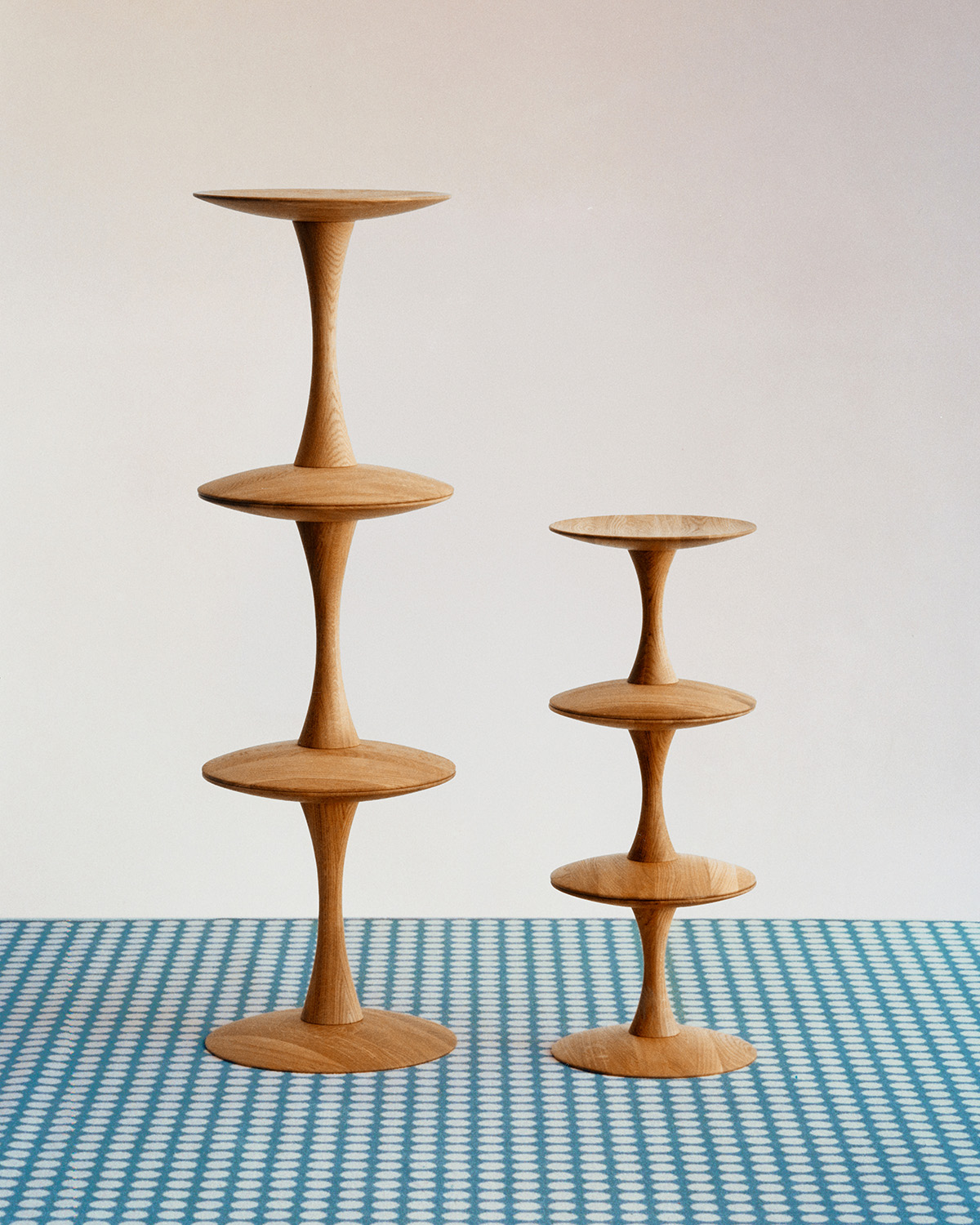
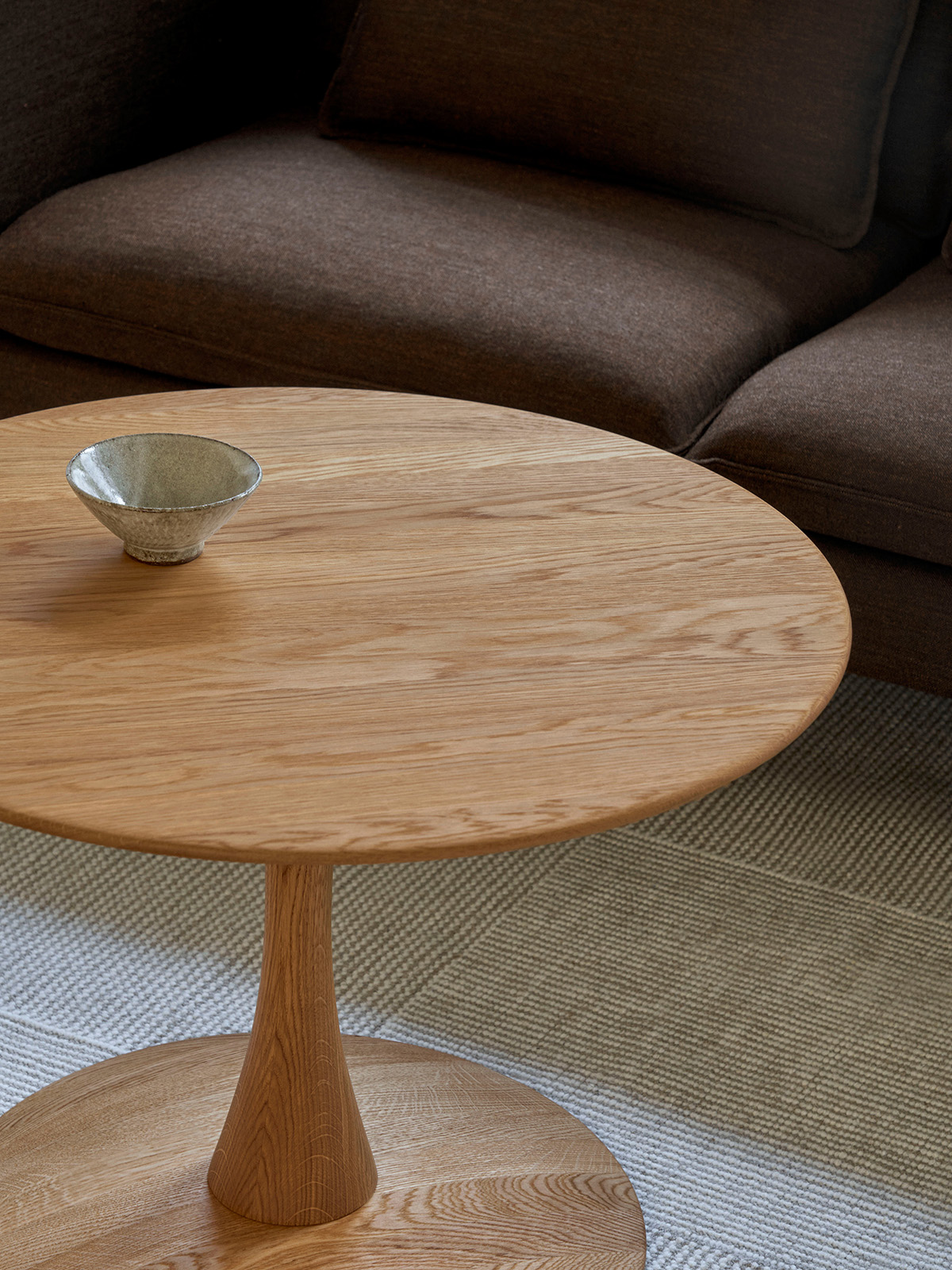
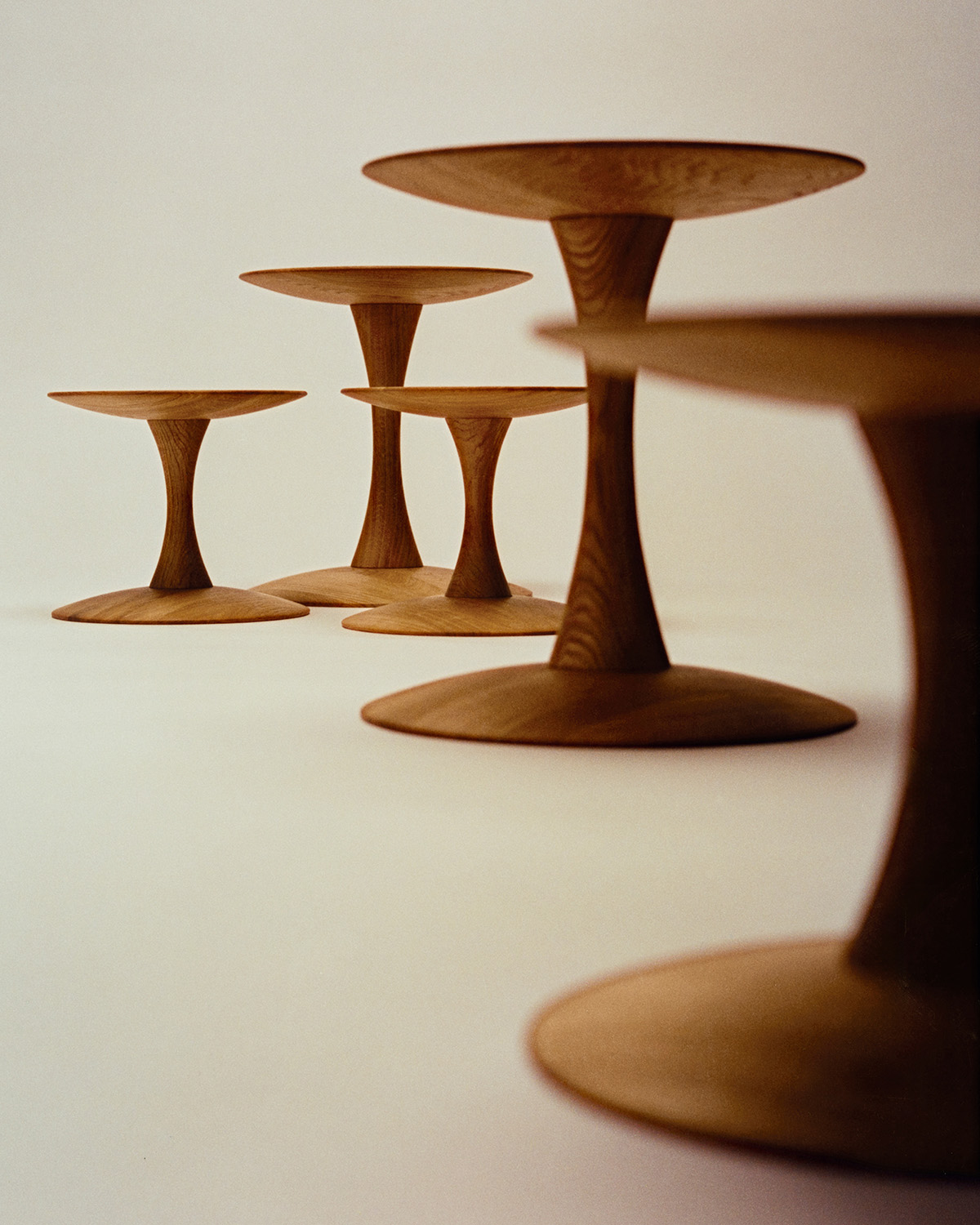
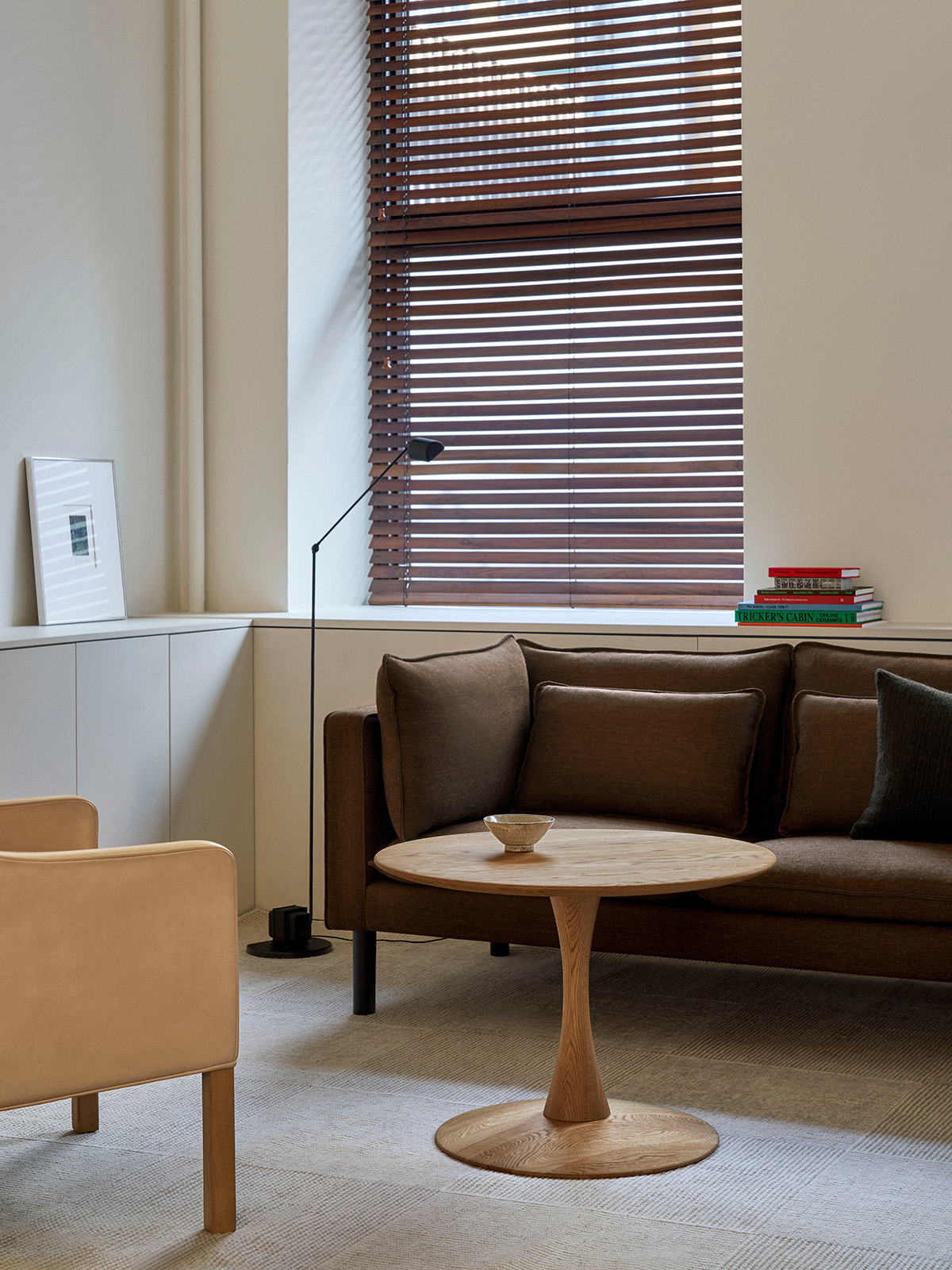
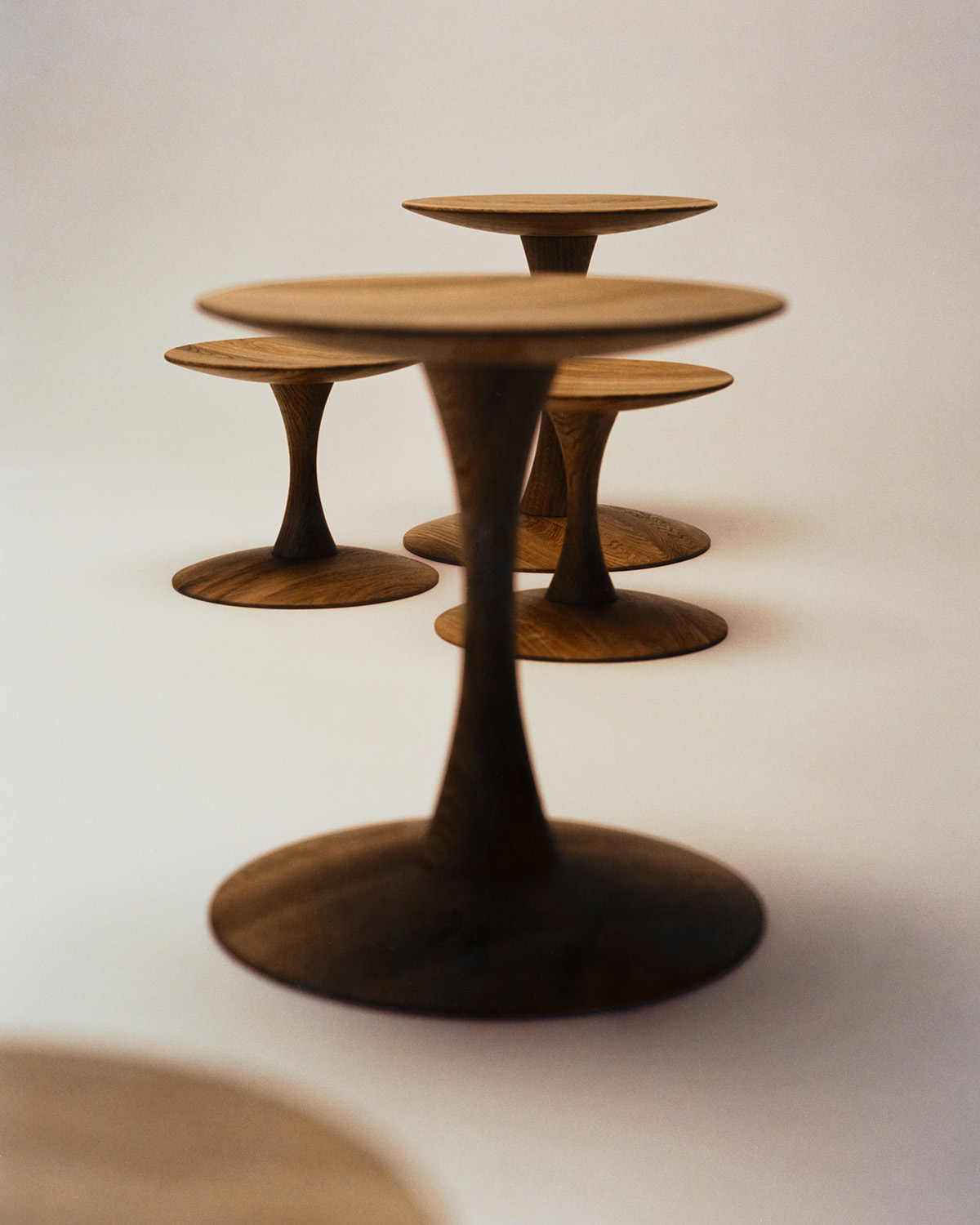
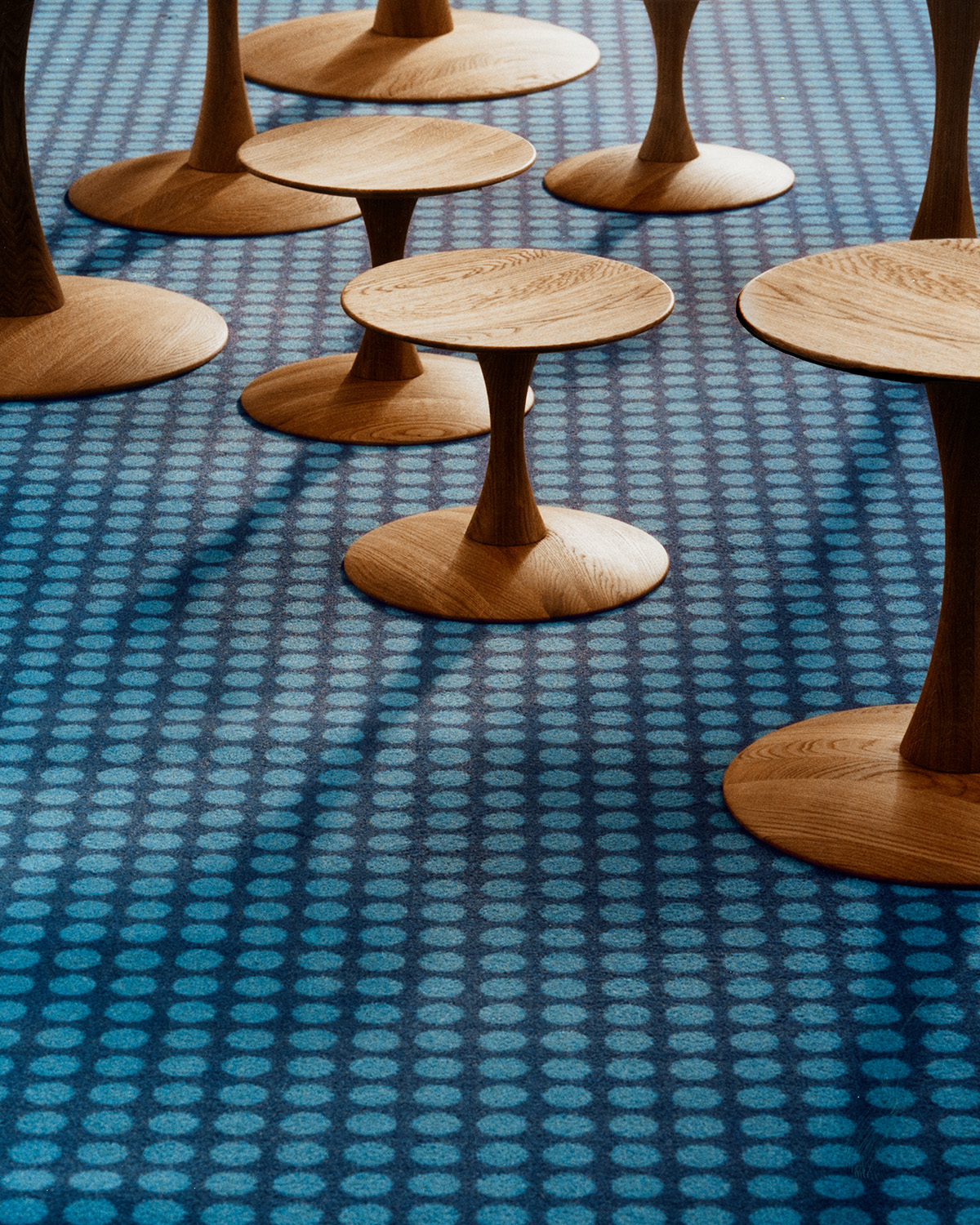
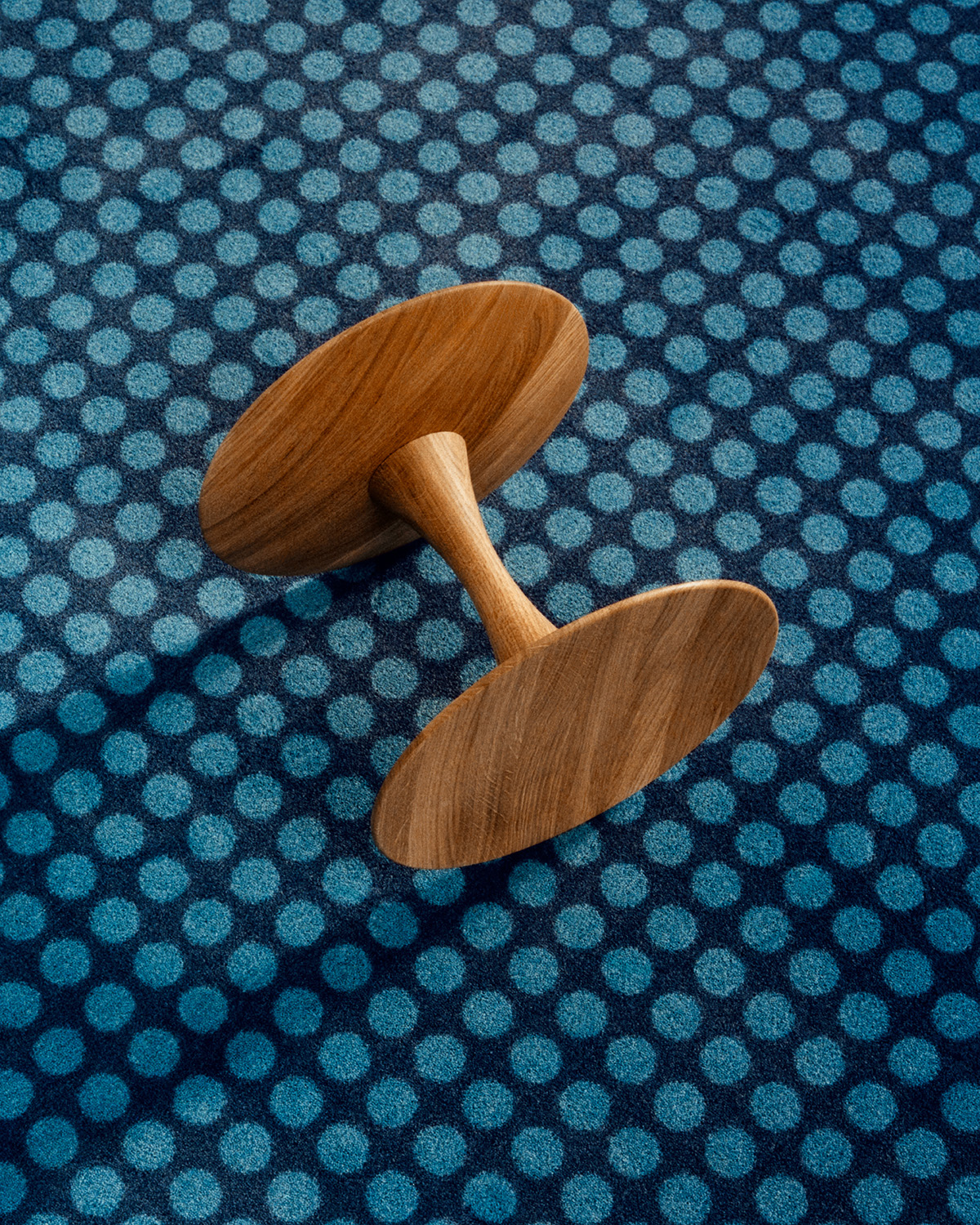
Some objects refuse to stay put. Trisse is one of them. Set it down as a stool and it ends up as a bedside table; place it by a sofa and it becomes a pedestal. Gather a few, and they begin to organise the room around them.
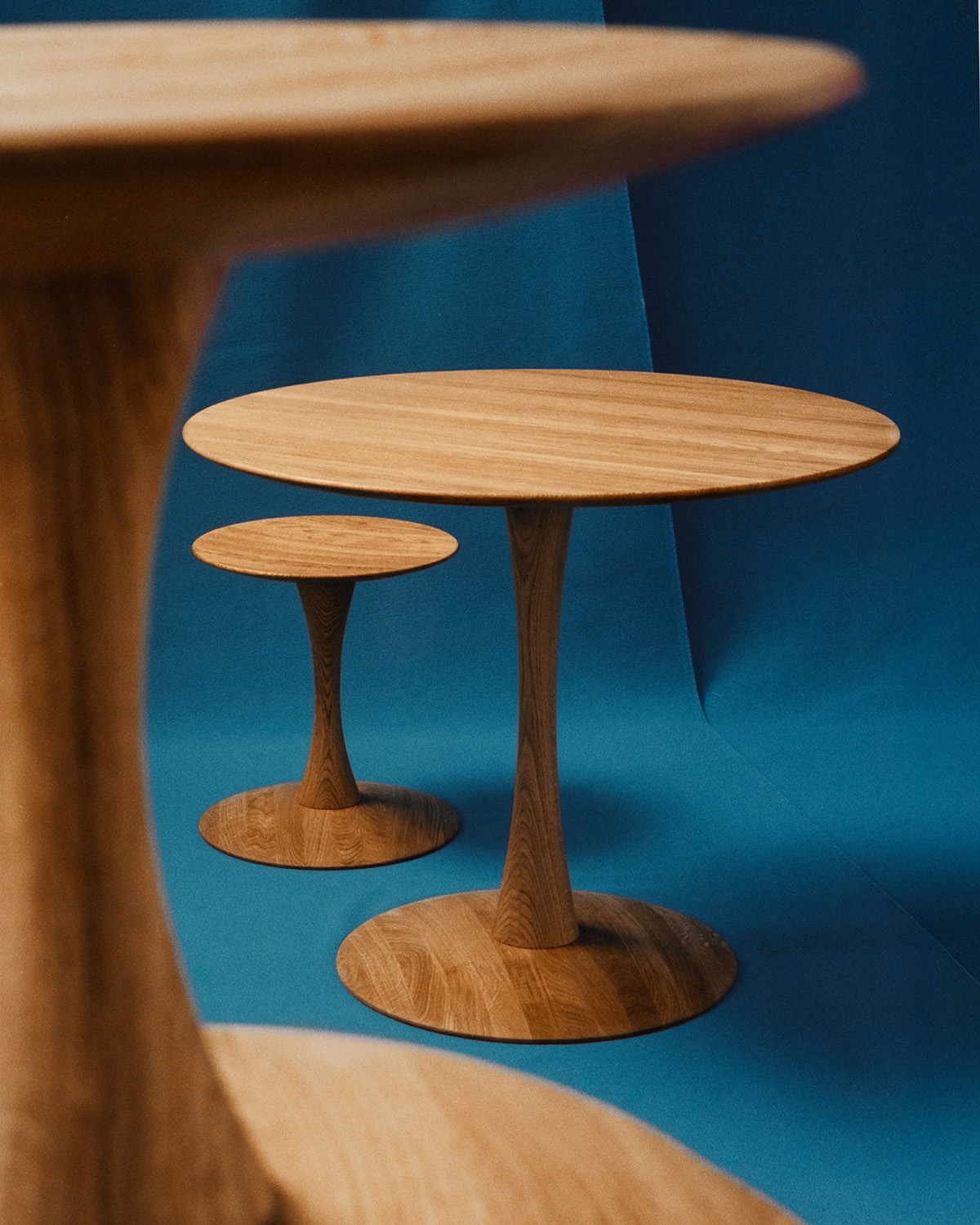
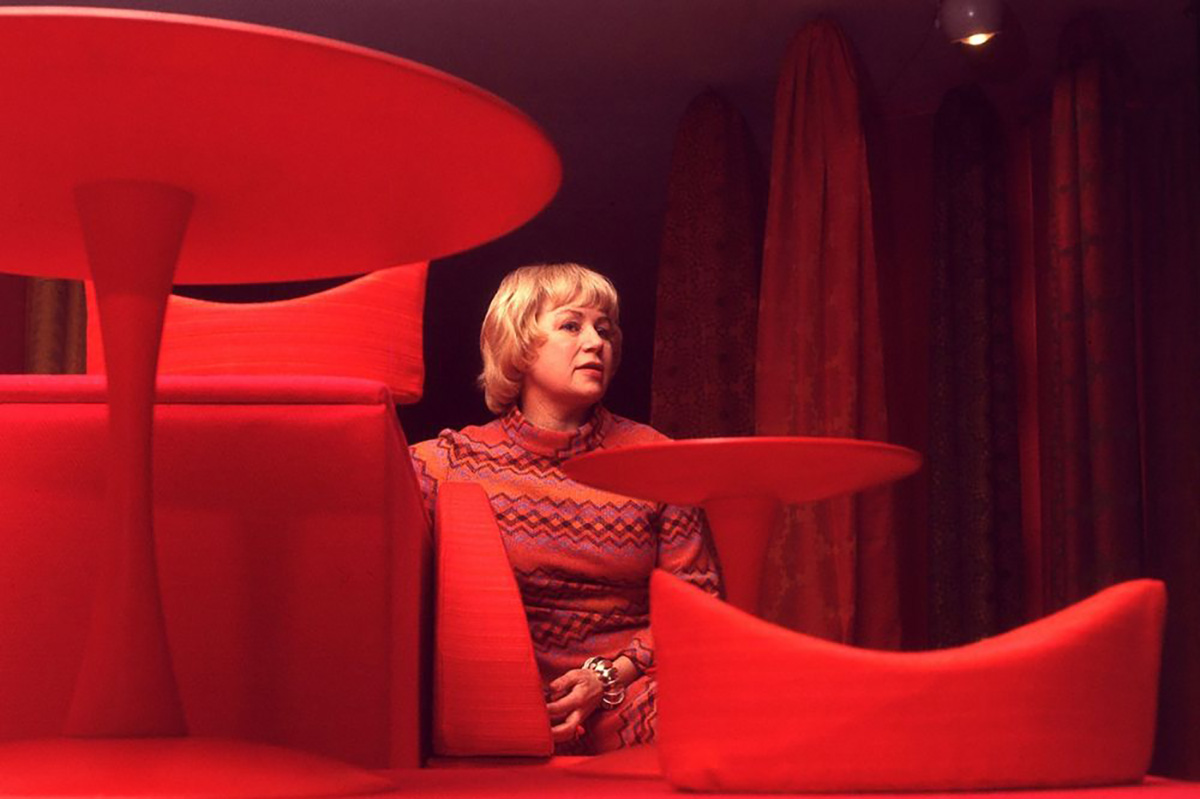
Originally designed in 1962, Trisse is reintroduced by Fredericia as an open typology rather than a fixed object — one that invites use without defining it, moving with you through different rooms, across stages of life and evolving needs.
As Maria Bruun, Head of Design at Fredericia, notes: “Trisse has a rare balance — it is intuitive and playful, yet highly resolved. You understand it immediately, but it continues to reveal new ways of being used. That sense of openness is very much at the core of Ditzel’s work.”
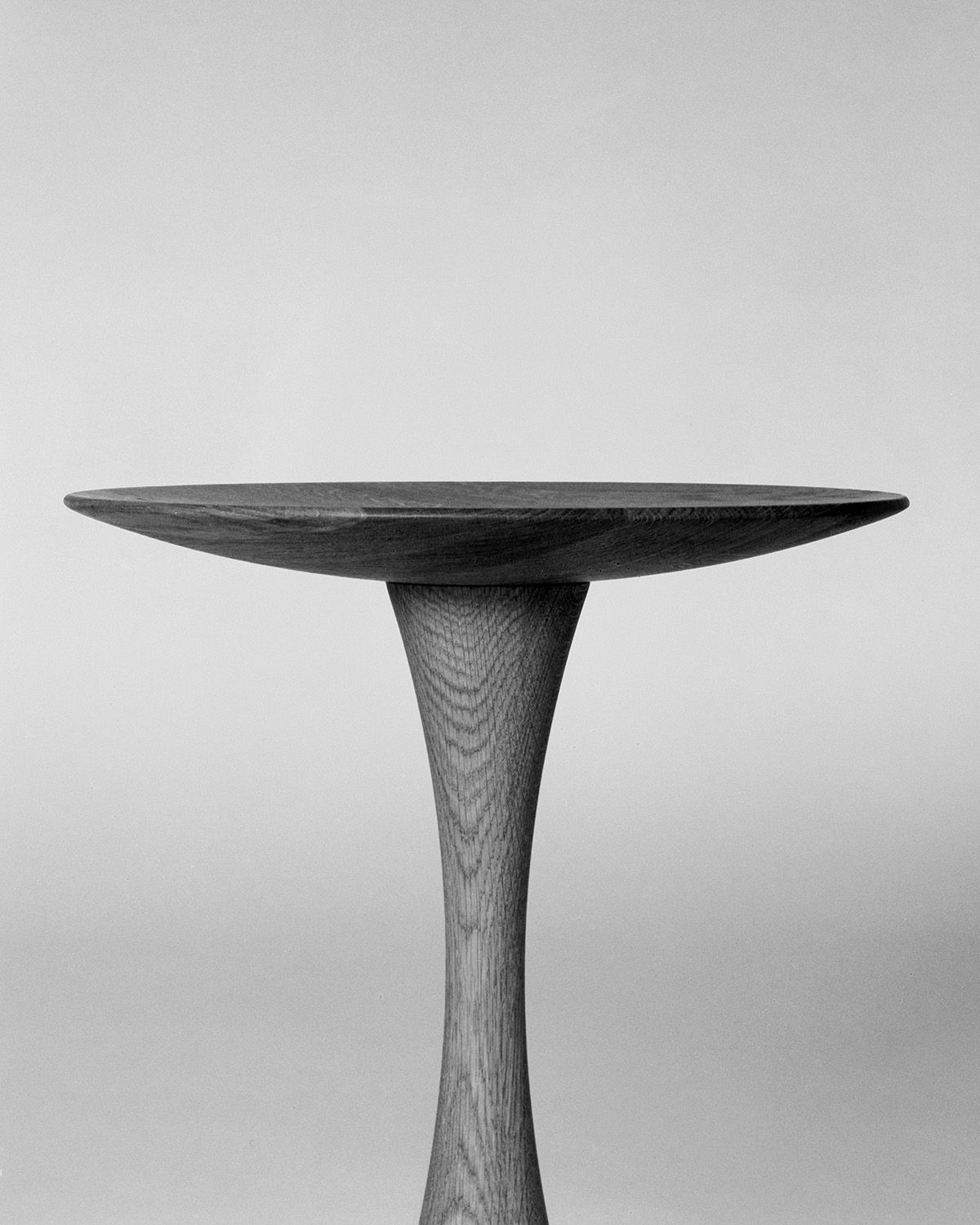
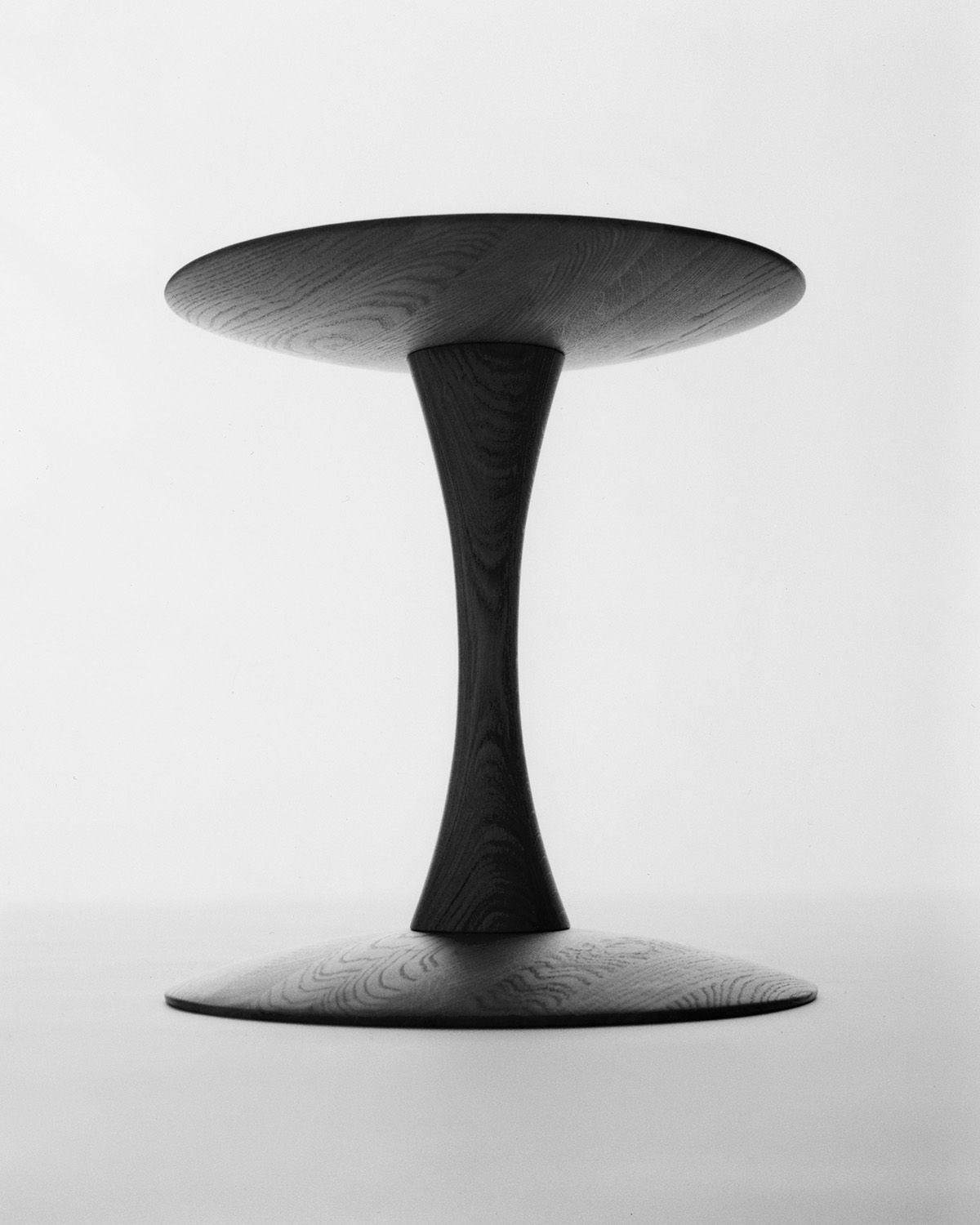
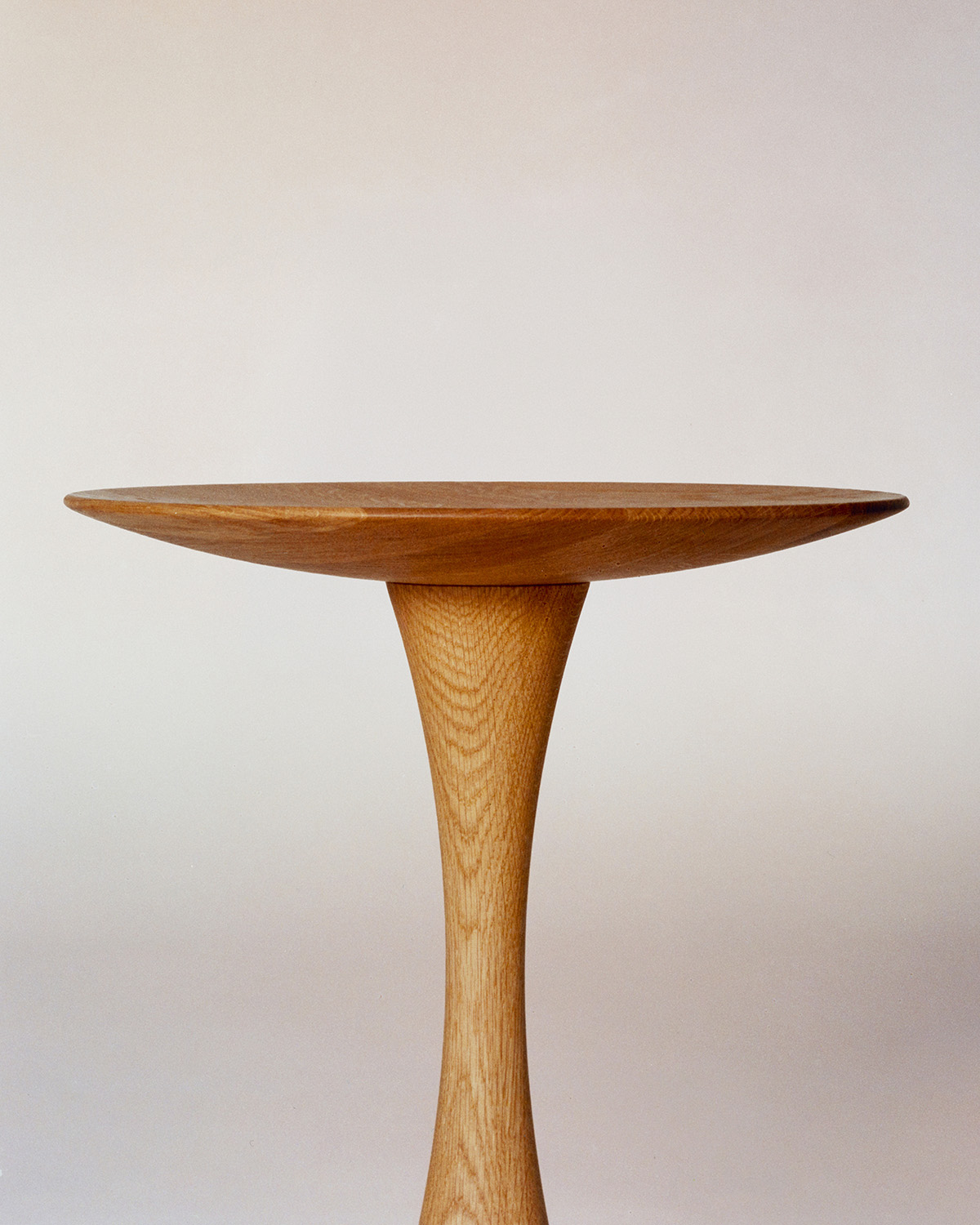
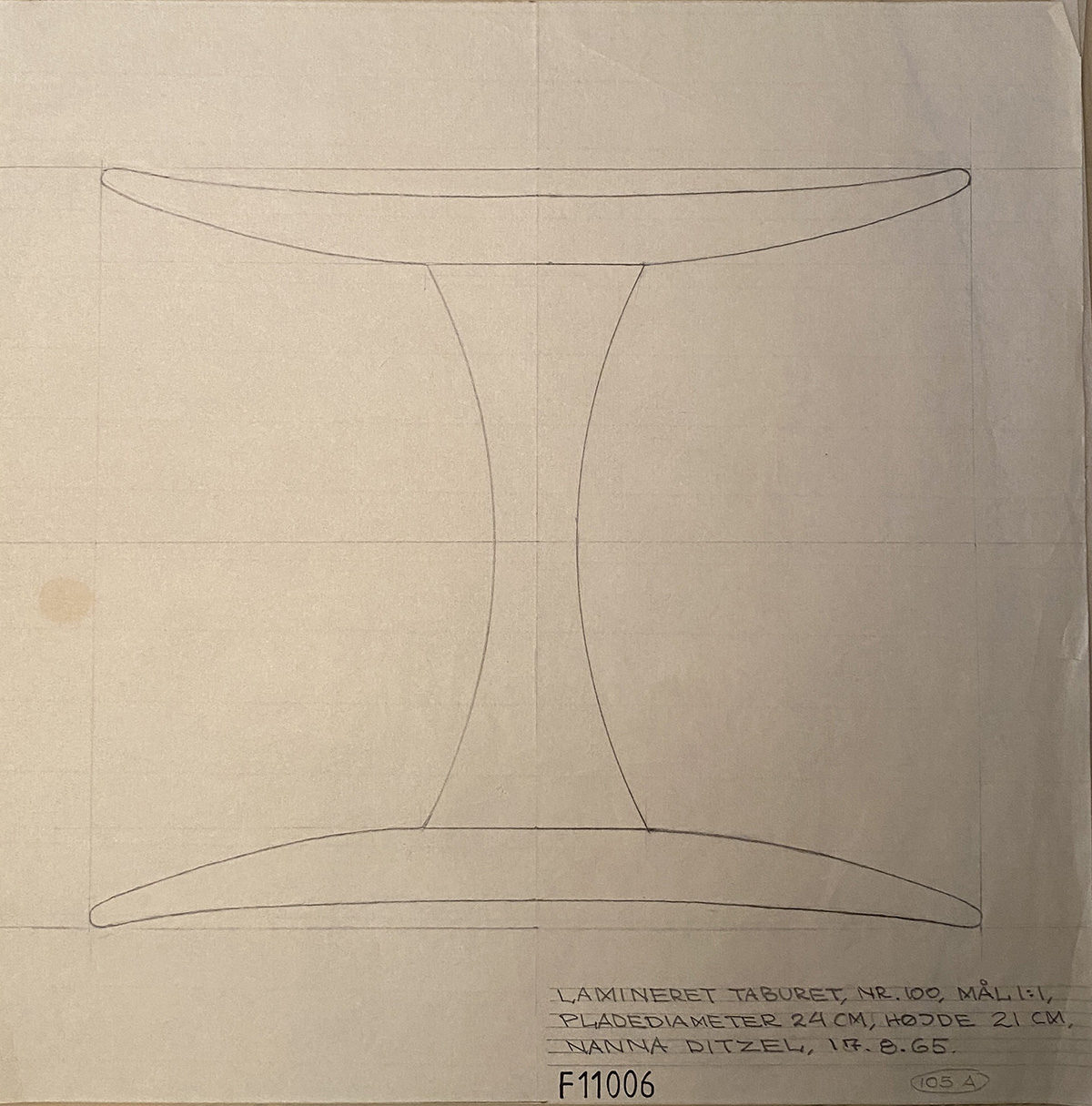
Its form is simple: a turned base and top in solid oak, joined with precise craftsmanship. There are no visible mechanisms. Flexibility is instead built into proportion, balance, and scale — a clarity of construction rooted in Ditzel’s training as a cabinetmaker. It is evident in the way the object can be turned, stacked, rolled, and lifted with ease, while sidestepping expectations of traditional furniture types.
Trisse was originally developed from a brief for a children’s object, which explains its intuitive and open-ended character. It encourages interaction closer to play, where function is discovered rather than defined.
Crafted in Denmark from FSC®-certified solid oak, the friendly design is defined by softened profiles, balanced shape, and a grounded connection to the floor. Available in oiled and smoked finishes, it adapts across contexts without altering its underlying logic.
Originally known as Toad Stool in English, and Trissen in Danish (meaning “spool”), the collection was developed from 1962 to 2004. It has become a modern icon, included in museum collections and institutions alike, and remains a strong example of Ditzel’s approach: organic, functional, and resistant to fixed categorisation.
Her work often carried this kind of duality. Trained within the discipline of Danish modernism and as a trained cabinetmaker, she rarely stayed within its strict lines, preferring instead to introduce a certain looseness — a sense that objects might behave differently than expected, even have their own voice. Trisse is a clear example of that thinking, and a defining one.
As part of Fredericia’s ongoing dialogue with Ditzel’s legacy, the reintroduction of Trisse highlights a design that remains remarkably current, defined by inherent possibility.



Images and content courtesy of Fredericia.

Design by Nanna Ditzel:
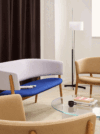
Two Crafts, One Form: Nanna and Jørgen Ditzel by Fredericia
Two Crafts, One Form: ND83 Lounge Chair and ND82 Sofa Fredericia reissues two early designs …
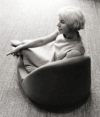
Fredericia celebrates Nanna Ditzel: A designer who refused to stand still
A designer who refused to stand still This November, during Tokyo Design Week, Danish design …
Nordic Table Design. A silent female revolution (1900-1970)
A Silent Female Revolution in Design: ‘Nordic Table Design 1900–1970’ in Faenza 20 June 2026 …

Fredericia Reintroduces Nanna Ditzel’s Trisse Collection
An Object with a Mind of Its Own Crafted in Denmark at Fredericia’s joinery, Nanna …

Ocean Dusty Blue & Special Edition Ocean Kinraden – Mater
Introducing Ocean Dusty Blue and Special Edition Ocean Kinraden in Collaboration with KINRADEN Originally produced …

Fredericia: A Chronicle of Danish Design
The Danish design company unfolds exhibition at the Triennale Milano During Milan Design Week 2026, …