
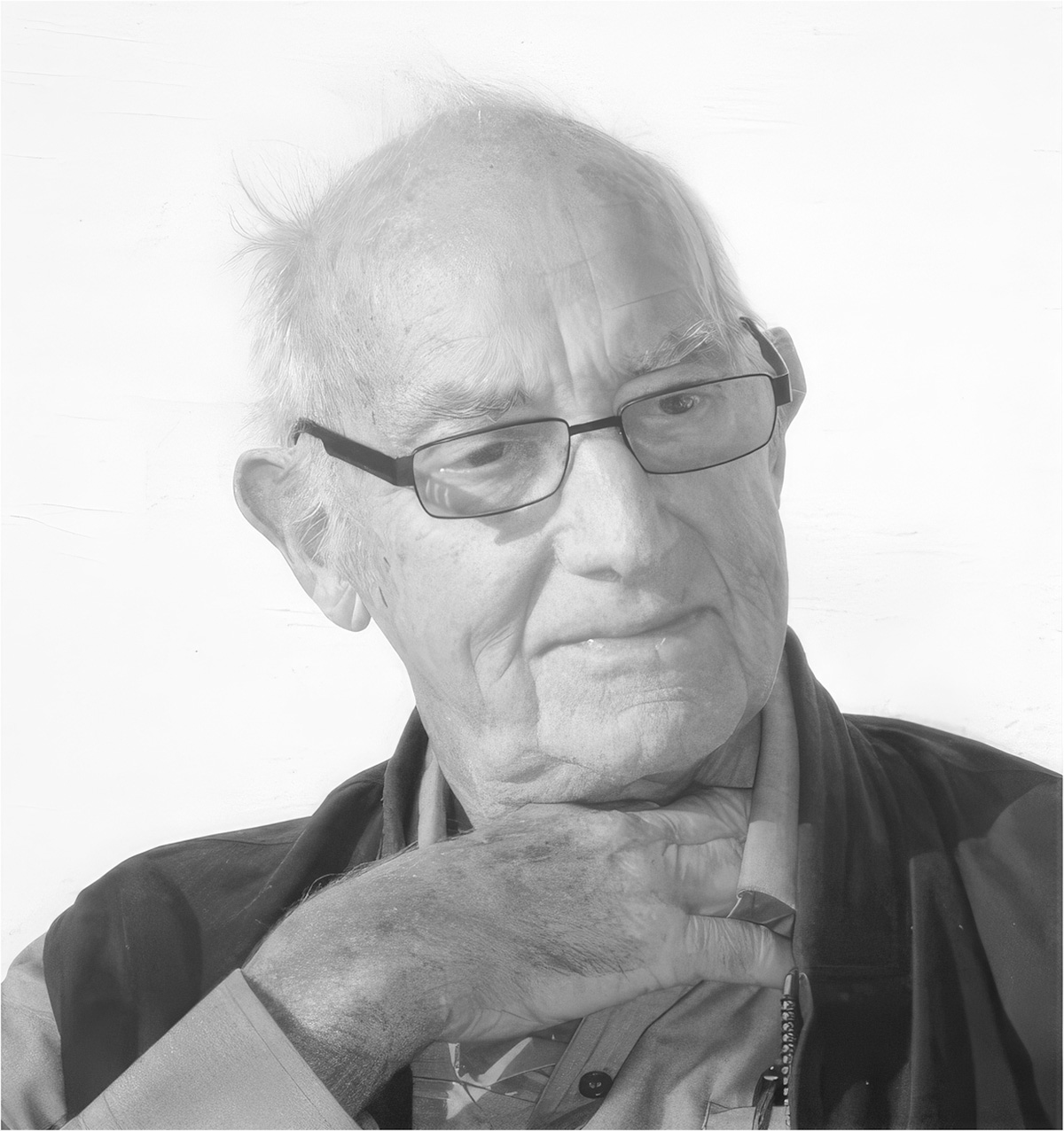
In 2026, we celebrate 100 years since the birth of Arne Vodder—one of the most influential Danish architects and furniture designers who helped shape the golden age of Danish design.
Born in 1926, Vodder developed a distinctive design language defined by refined proportions, thoughtful functionality, and an understated use of materials and color.
His work travelled far beyond Denmark, becoming part of distinguished interiors around the world and contributing to the international recognition of Danish design as a whole.
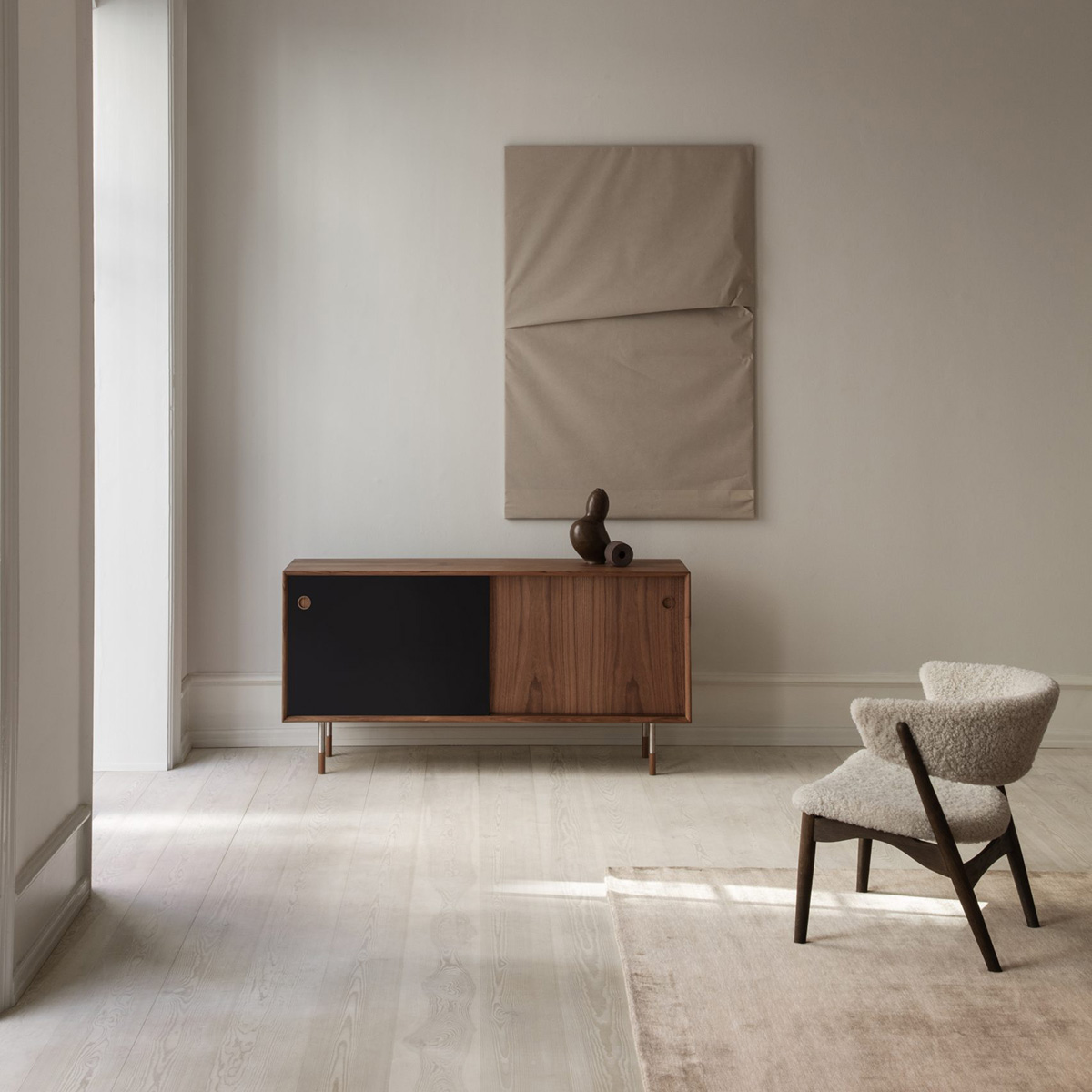
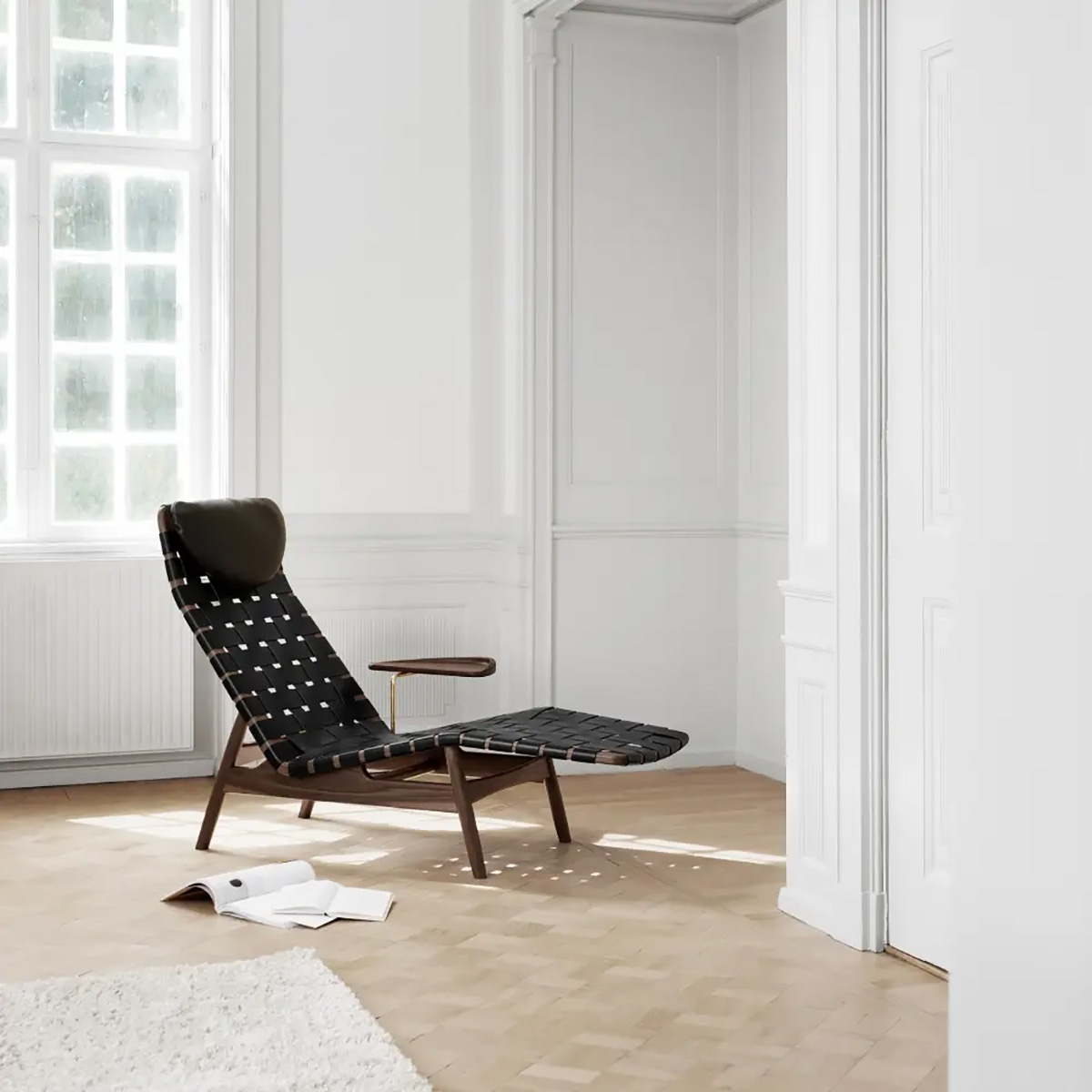
Arne Vodder’s design legacy extends far beyond individual pieces. Over the course of a prolific career, his work shaped not only Danish interiors but also influenced American boardrooms, papal residences, diplomatic offices, and corporate spaces across the Atlantic. His designs were chosen not for trend but for principle—selected by presidents, pontiffs, and international organizations for their refined restraint and timeless functionality.
This legacy is inextricably linked to Sibast Furniture, with whom Vodder maintained a remarkable creative partnership spanning three decades. Together, they created a significant chapter in Danish design’s export history—one that continues to resonate as we celebrate a century since his birth.
The Designer Who Shaped an Era
Arne Vodder (1926–2009) was among the most influential voices of Danish modernism. Known for his restrained formal language and sophisticated understanding of materials, Vodder spent the 1950s through the early 1980s as an integral member of Sibast’s creative team. During this extended collaboration with Helge Sibast, he designed a significant part of the P.O. Sibast Møbler collection—a partnership shaped by shared respect for craftsmanship, materials, and enduring design. Throughout his career, he created more than 500 designs, each embodying his core philosophy: that functionality and aesthetics are inseparable.
Vodder’s influence extended globally. His furniture adorned the White House, where it furnished President Jimmy Carter’s residence; the Vatican, where Pope Paul VI selected his designs; and international organizations including the United Nations in Geneva. Corporate offices, airlines, embassies, and hotels across the world chose his work—not following fashion, but honoring design principle.
This global reach was no accident. Vodder spoke the language of furniture makers with precision and intuition. According to his son Michael Vodder, who now safeguards his father’s design legacy, Arne was a contemplative man but also remarkably prolific and driven—someone who collaborated closely with manufacturers and possessed an intuitive grasp of proportion and harmony. He understood materials deeply: how wood responds to light, how form creates function, how simplicity requires discipline. The result of this rigor: timeless designs of exceptional craftsmanship.
Design Philosophy: Proportion, Function, Restraint
Vodder’s design approach rested on three pillars: proportion, function, and restraint. Every piece he created was conceived as a solution to a specific problem—how to furnish a space with integrity, how to combine materials without artifice, how to create beauty through subtraction rather than addition.
His work is characterized by clean lines and carefully considered details—never arbitrary, always purposeful. Handles are subtle. Legs are refined. Surfaces are honest. He avoided ornament, yet his designs are never austere; instead, they possess what might be called “warm minimalism”—the comfort of simplicity executed with extreme care.
This philosophy applied equally whether Vodder was designing a cabinet, a table, a chair, or a complete interior system. Each piece reflects the same commitment to materials, proportion, and the belief that functionality and aesthetics are fundamentally inseparable. The result is a body of work that has aged exceptionally well—designs that feel contemporary not because they follow current trends, but because they are rooted in timeless principles.
Vodder understood that enduring design requires patience. It requires listening to materials, collaborating with craftsmen, and refusing to compromise on execution. It requires the confidence to reduce form to its essence.
The Sibast Partnership: A Manufacturer’s Understanding
The depth of Vodder’s influence stems partly from his relationship with Sibast Furniture. Helge Sibast, the founder, was himself an architect and designer who understood the language Vodder spoke. Their partnership was built on mutual respect for craftsmanship and a shared conviction that design should endure.
For nearly thirty years, from the early 1950s through the early 1980s, Vodder worked closely with Sibast to realize his designs. This was not a distant relationship between designer and manufacturer; it was a daily collaboration. Vodder understood the maker’s constraints and possibilities. He spoke, as his son noted, “the language of furniture makers.” This understanding—and Sibast’s willingness to execute with rigor—resulted in pieces that achieved a rare balance: they were both commercially viable and artistically uncompromised.
Today, Sibast Furniture—now in its fourth generation under CEO and co-owner Ditlev Sibast—continues this legacy. The company has specialized in respectful reissues and careful developments of iconic pieces from the 1950s and 1960s. For Ditlev, honoring Vodder’s legacy is both personal heritage and business principle: “My grandfather, architect Helge Sibast, had a close friendship and flourishing collaboration with Arne Vodder over decades, which marked the beginning of a true export adventure. Carrying forward his design legacy honors both a pivotal era and the principles underlying it.”
A Century Later: Why Vodder Endures
As we mark a century since Arne Vodder’s birth, the relevance of his work has only intensified. In an era of mass production and planned obsolescence, Vodder’s commitment to endurance reads as radical. He designed to last—not because he believed in permanence philosophically, but because he respected materials and the people who would live with his designs.
Today’s design discourse has shifted: away from novelty toward authenticity, from quantity toward quality, from trend-chasing toward timelessness. This shift vindicates everything Vodder stood for. His designs, created in the 1950s and 1960s, feel contemporary not because they follow current fashion, but because they are rooted in principles that don’t expire.
Vodder understood something fundamental: that exceptional design transcends its era. A well-proportioned chair functions as well in 2026 as it did in 1957. A thoughtfully detailed cabinet speaks to contemporary users with the same clarity it spoke to presidents and pontiffs decades ago.
At Sibast Furniture, the commitment to carrying forward Arne Vodder’s legacy means honoring not just specific pieces, but the philosophy underlying them. As the company states: “We are proud to carry forward part of Arne Vodder’s remarkable design legacy and to honour a body of work created to live on for generations.”
A century after his birth, Vodder’s vision proves not nostalgic but necessary. In a world saturated with disposable objects, his insistence on craft, material truth, and refined restraint stands as an alternative—and an inspiration.
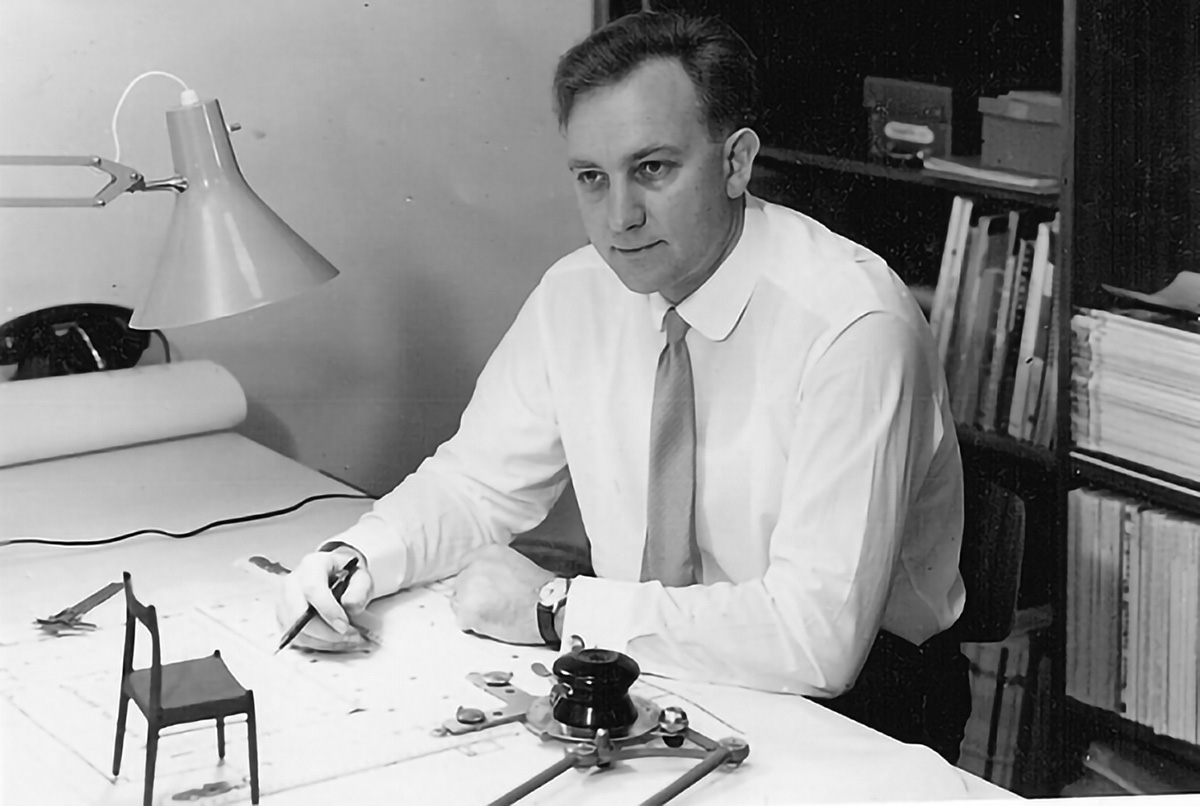
Arne Vodder (1926-2009)
Danish architect and designer Arne Vodder is considered one of Denmark’s most prominent architects of the mid-20th century. He was trained by master carpenter Niels Vodder at the School of Interior Design in the mid-1940s and completed his training by becoming a qualified architect at the Royal Academy of Fine Arts in Copenhagen in 1947, where his teacher and mentor was Finn Juhl. Arne Vodder is renowned for his simple, organic style, and his elegant design and profound understanding of materials made him an imposing figure in Danish Modernism. In the 1950s and 1960s, he entered into close collaboration with Sibast Furniture, designing a lot of the furniture exported by the company, much of which was used to furnish distinguished offices all over the world.
Arne Vodder’s furniture went to US president Jimmy Carter in the White House, to Pope Paul VI in Rome, to the UN office in Geneva, as well as to offices, airlines, embassies and hotels all over the world, thus helping to pave the way for a golden age of Danish Design outside Denmark.

More designs by Sibast Furniture:

100 Years of Arne Vodder: Sibast Furniture Honors a Legacy of Refined Danish Design
In 2026, we celebrate 100 years since the birth of Arne Vodder—one of the most …
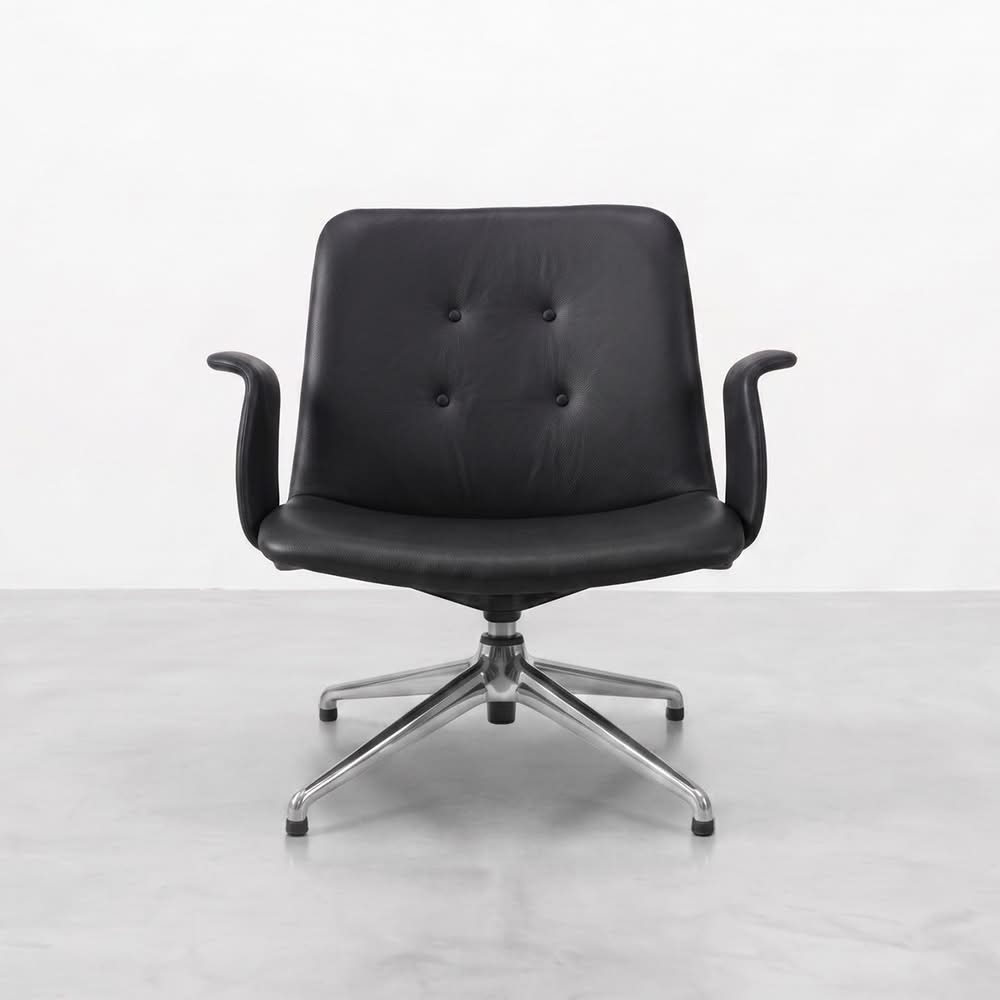
Sibast Furniture expands the Primum universe with a NEW Lounge Collection
During 3daysofdesign 2026, Sibast Furniture introduced the new Primum Lounge Collection – expanding the distinctive …
Inverse Side Table Aluminum by Steffensen & Würtz for Sibast Furniture
Sibast Furniture introduces a new aluminum edition of the Inverse Side Table – bringing a …
Sibast No 7 Dining Chair – Wood Seat Edition by Helge Sibast
Helge Sibast’s 1953 No 7 Chair Returns with New Wooden Seat The Sibast No 7 …
Sibast Furniture Introduces Vido Table by Rikke Frost
Sibast Furniture presents the Vido Table, a sculptural coffee table designed by Rikke Frost that …
Bent Hansen becomes a part of Sibast Furniture
BENT HANSEN BECOMES A PART OF SIBAST FURNITURE – TWO DANISH DESIGN LEGACIES UNITED Two …
Xlibris series design by Kasper Eistrup for Sibast Furniture
XLIBRIS is brimming with small artisanal and functional details The underlying concept of XLIBRIS has …
Sibast No 7 lounge chair in sheepskin – Cozy and elegant
SIBAST No 7 LOUNGE IN SHEEPSKIN Sibast Furniture introduces the Sibast No 7 lounge chair …
Sibast No 59 chair by Helge Sibast
SIBAST FURNITURE REVIVES MID-CENTURY ELEGANCE: REINTRODUCING THE ICONIC 1959 No 59 CHAIR Sibast Furniture proudly …
Rib Outdoor Collection by Morten Anker – Sibast Furniture
NEW RIB OUTDOOR COLLECTION by Morten Anker – A DEEP-SEATED BELIEF IN ENRICHING THE OUTDOOR LIVING …
Sibast No 7 lounge table by Anna & Ditlev Sibast for Sibast Furniture
A NEW LOUNGE TABLE ENTERS THE FAMILY’S DESIGN HERITAGE The dining chair Sibast No 7 …
Celebrating 70 Years: Helge Sibast Classic Dining Chairs No. 7-8-9
Celebrating 70 Years 1953 was a productive year for the Danish entrepreneurial furniture designer and …
Superelliptical chair design Piet Hein, 1968 by Sibast Furniture
Superelliptical chair design by Piet Hein from 1968 Multi-talented artist Piet Hein is one of …

Piet Hein Chair – Sibast Furniture
Piet Hein Chair – Sibast Furniture Multi-talented artist Piet Hein is one of Denmark’s greatest …
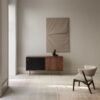
A sideboard returns home – Sideboard Sibast No 11 design Arne Vodder
ARNE VODDER, THE WHITE HOUSE AND THE POPE IN ROME Internationally renowned Danish architect and …

The Sibast No 8 chair – winner of German Design Awards 2019
“A succesfull remake of a design classic” – The GDA jury WINNER OF GERMAN …

Arne Vodder – Danish Architect and Designer
From Finn Juhl’s Studio to the White House: The Furniture Design of Arne Vodder Arne …