

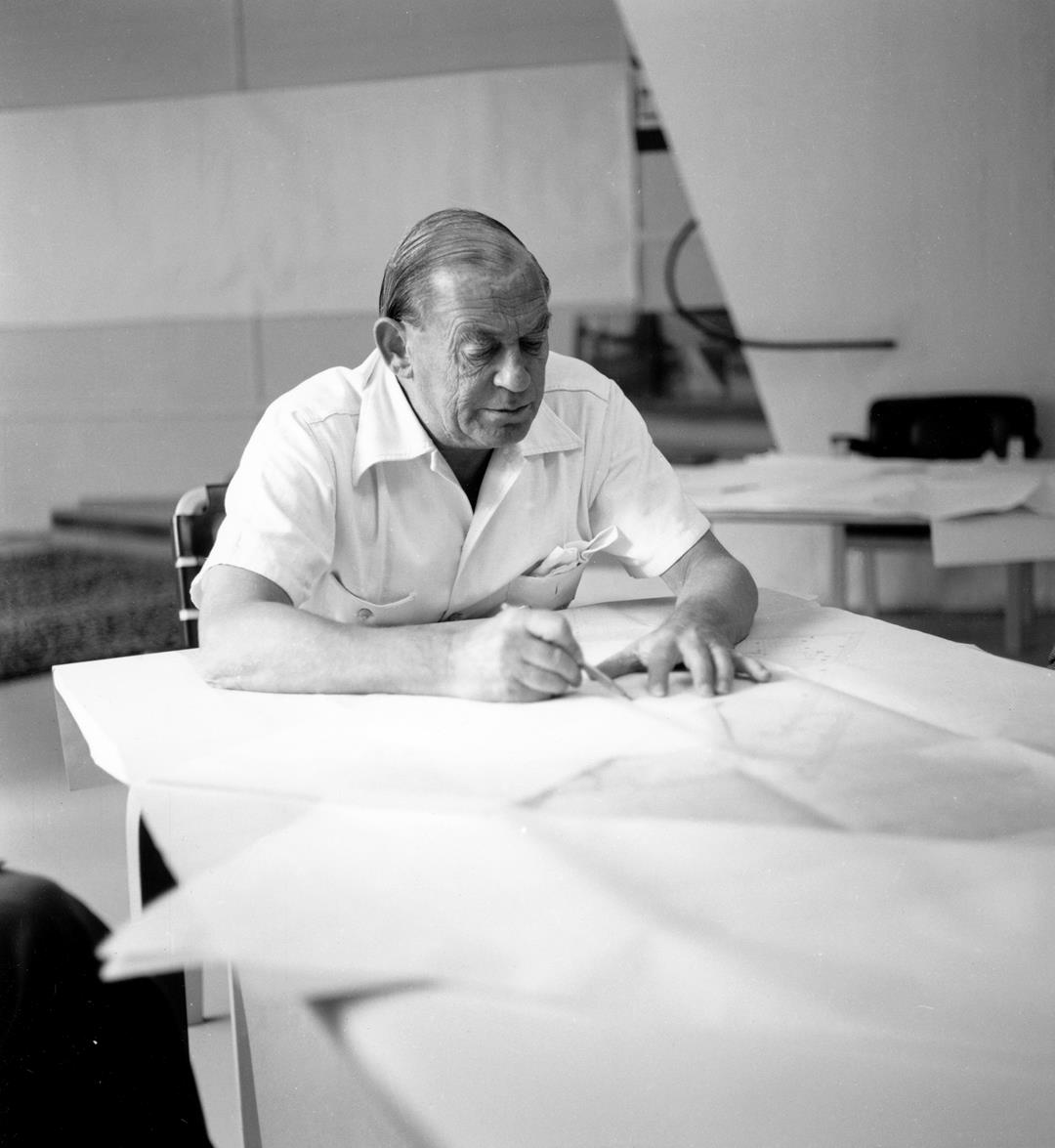
Hugo Alvar Henrik Aalto (1898-1976)
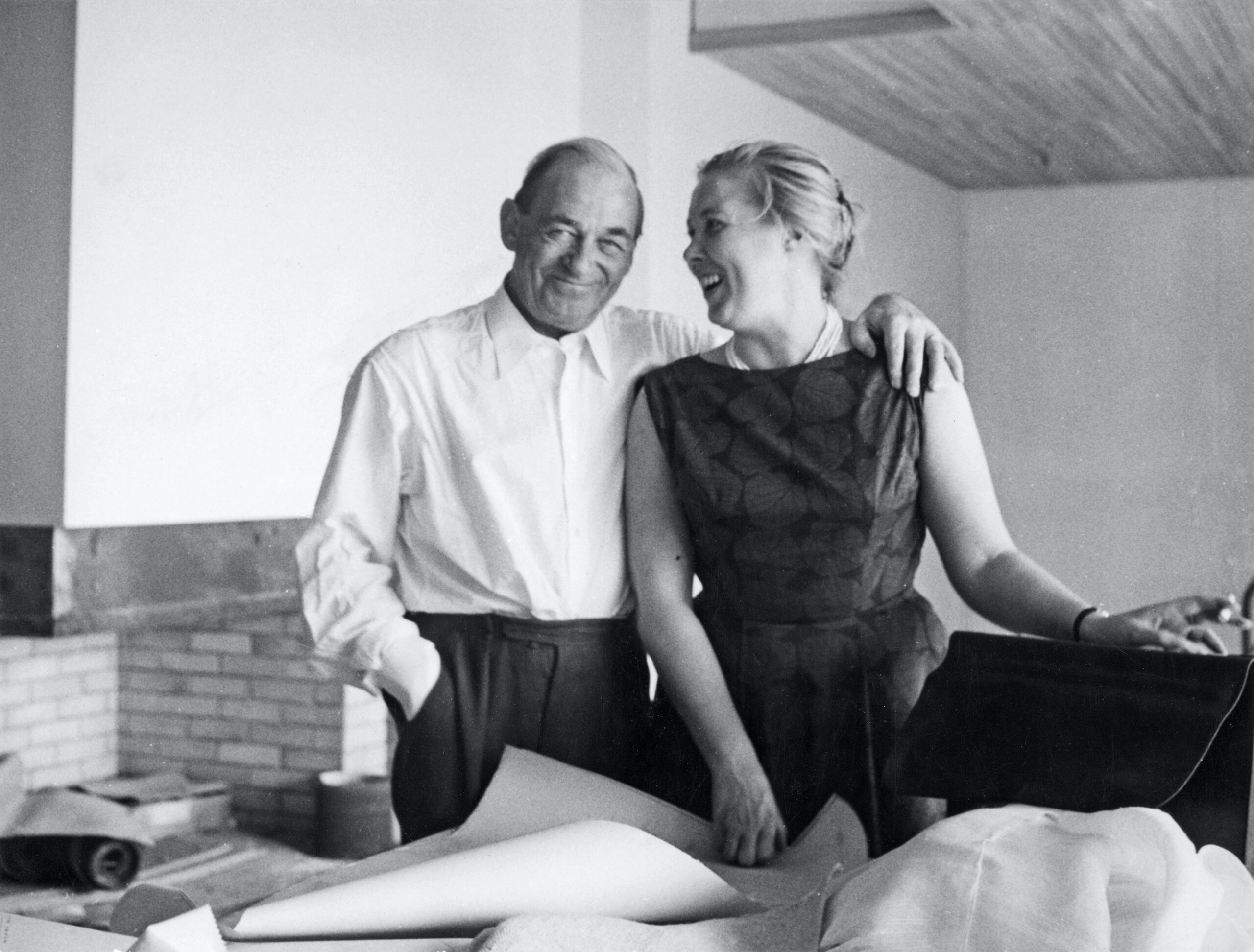
In 1929, a young Finnish architect named Alvar Aalto opened an experimental plywood workshop in Turku with Otto Korhonen. This modest workshop would change furniture design forever. Within six years, Aalto had perfected a technique for creating cantilevered chair supports entirely from wood—an achievement he patented in 1935. The same year, he founded Artek with Harry and Marie Gullichsen, establishing a company that continues to manufacture his designs today.
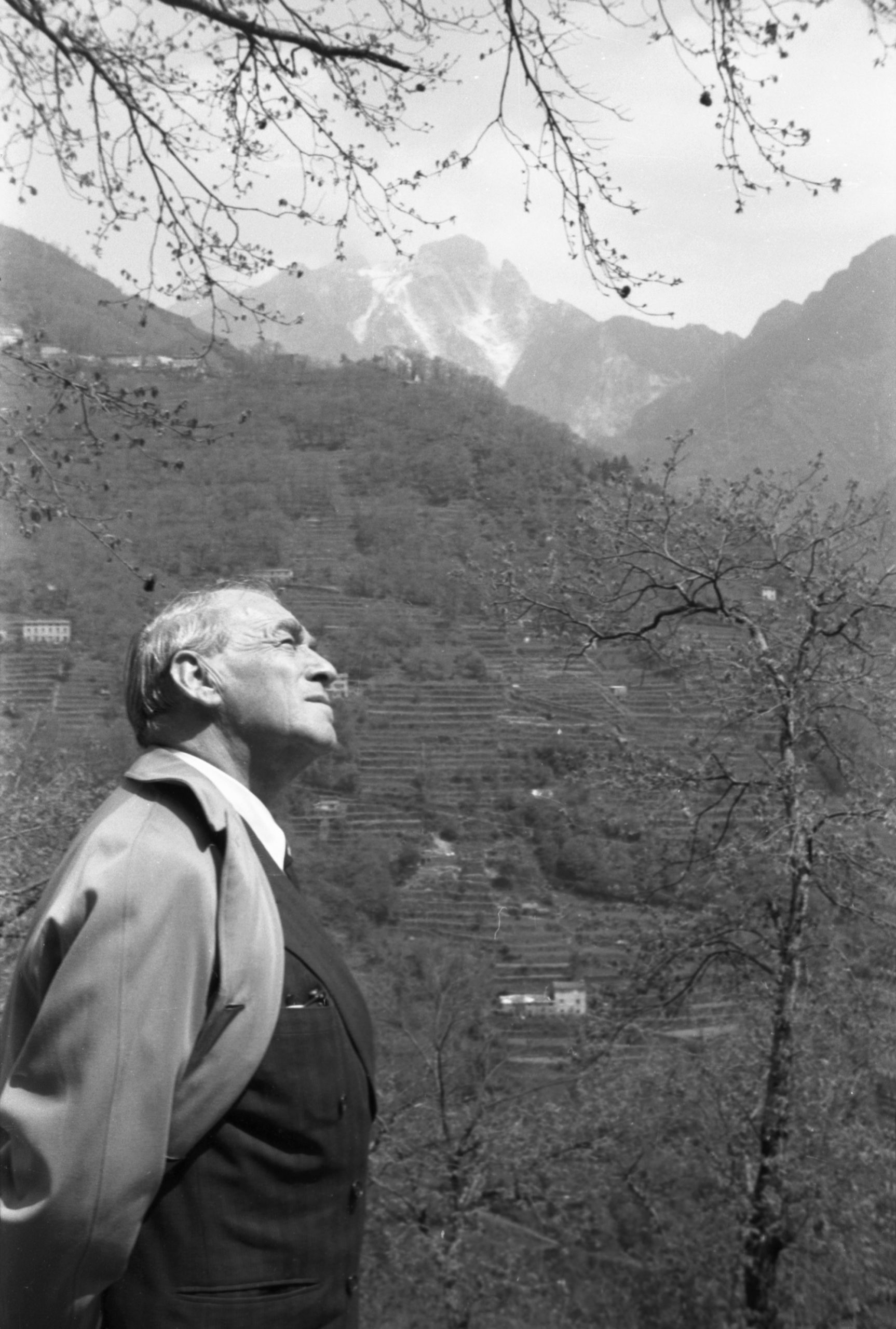
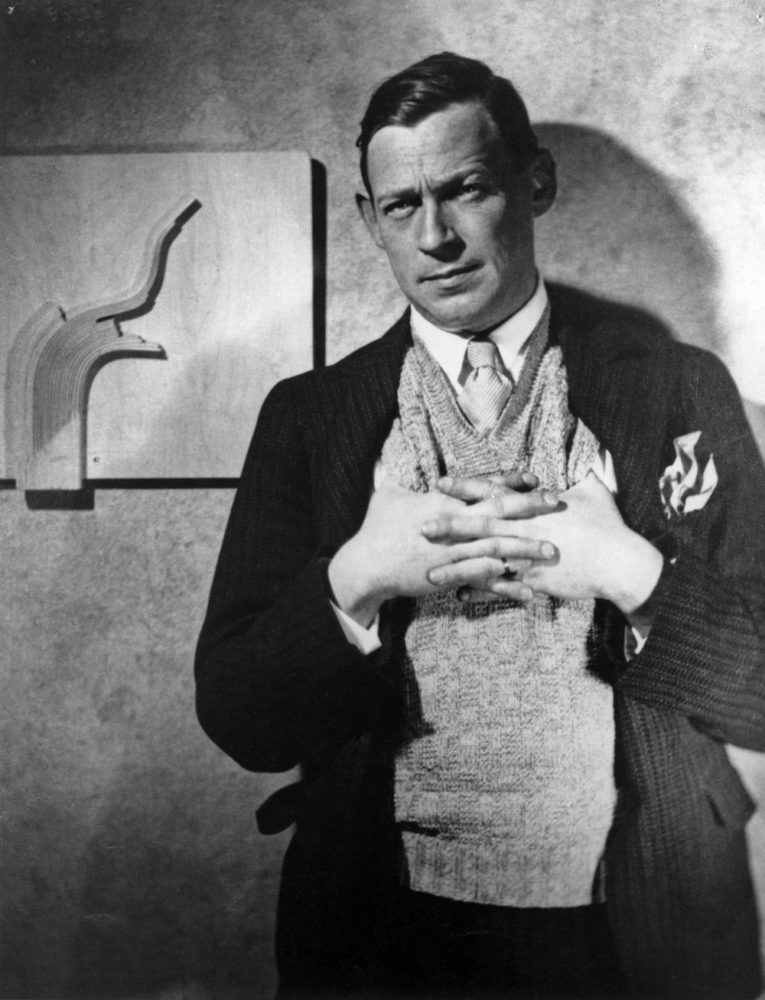
Hugo Alvar Henrik Aalto was born in 1898 in Kuortane, Finland. He studied architecture at Helsinki’s Technical University from 1916 to 1921, graduating into a world hungry for new design solutions. His career began not with buildings, but with exhibitions—a fortuitous start that taught him how people move through and experience designed spaces.
Three Disciplines, One Vision
Aalto approached design with methodical progression. In 1923, he turned his attention to architecture. Two years later, in 1925, he began designing furniture. This sequence was deliberate: buildings taught him about human scale and movement; furniture taught him about materials and manufacturing. By 1928, his reputation had grown sufficiently to earn membership in the Congrés Internationaux d’Architecture Moderne (CIAM), placing him among Europe’s leading modernist architects.
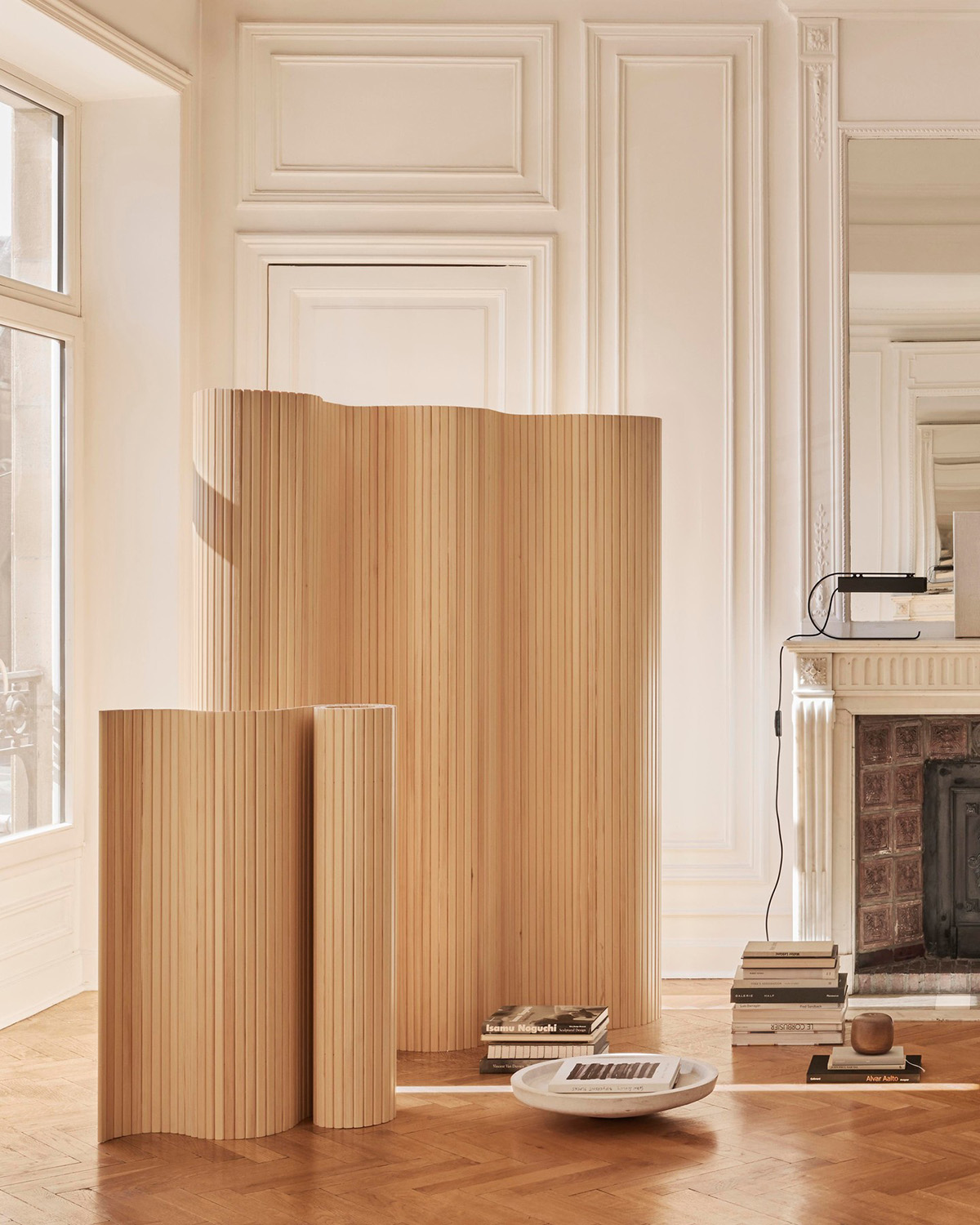
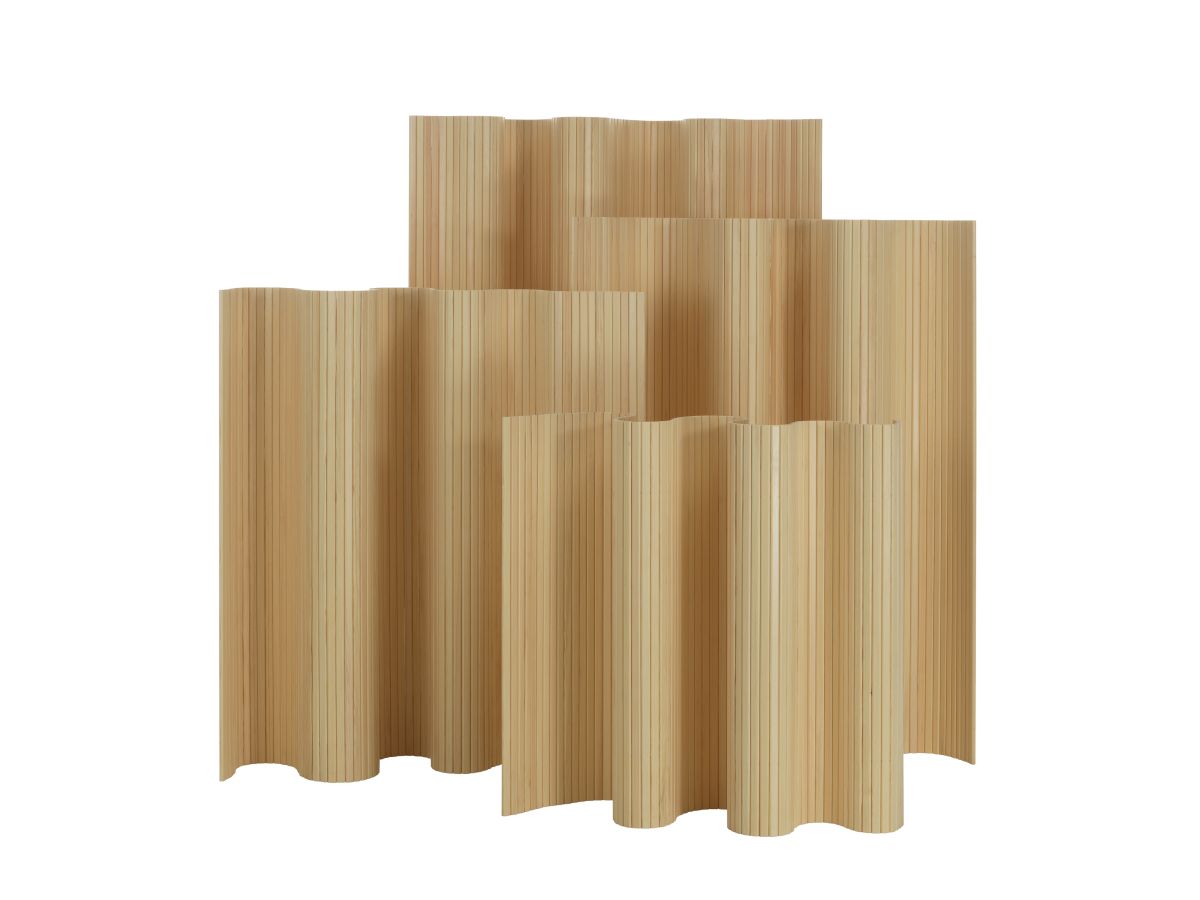
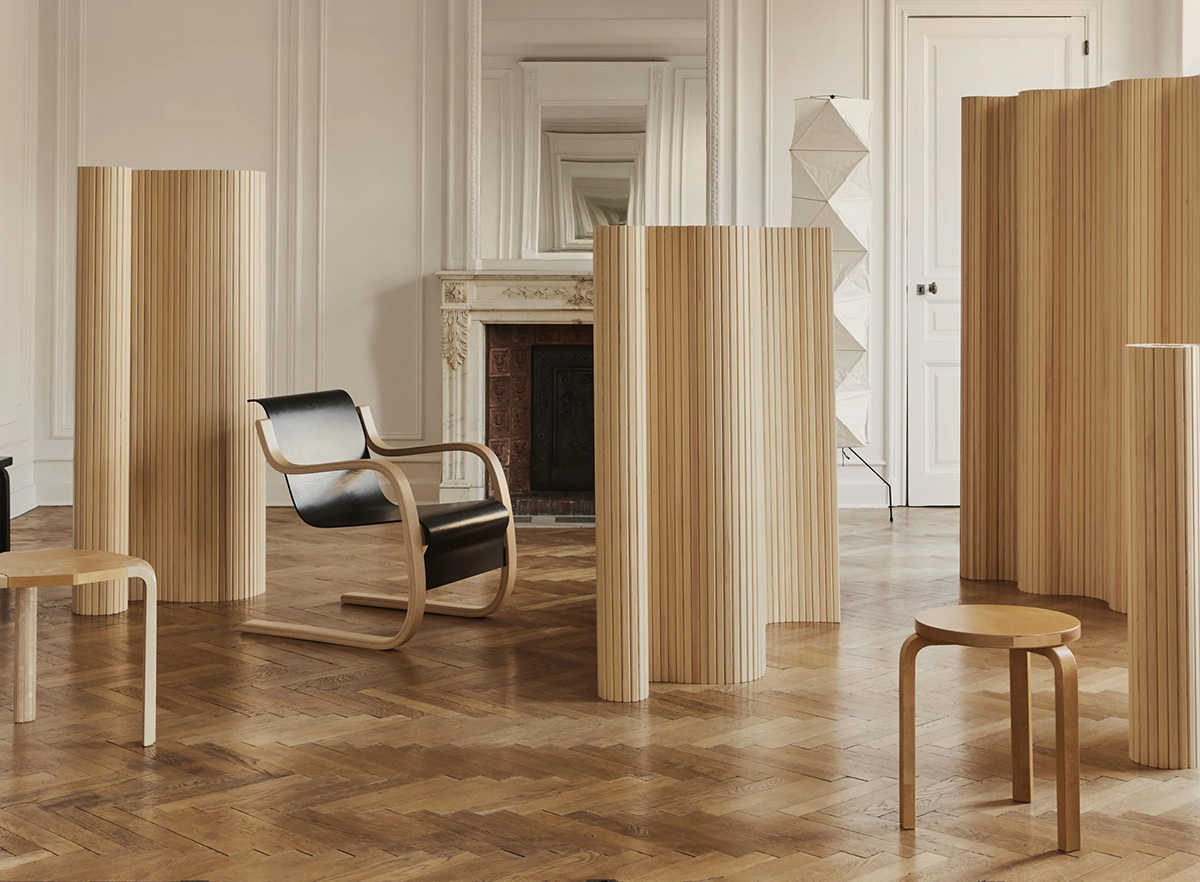
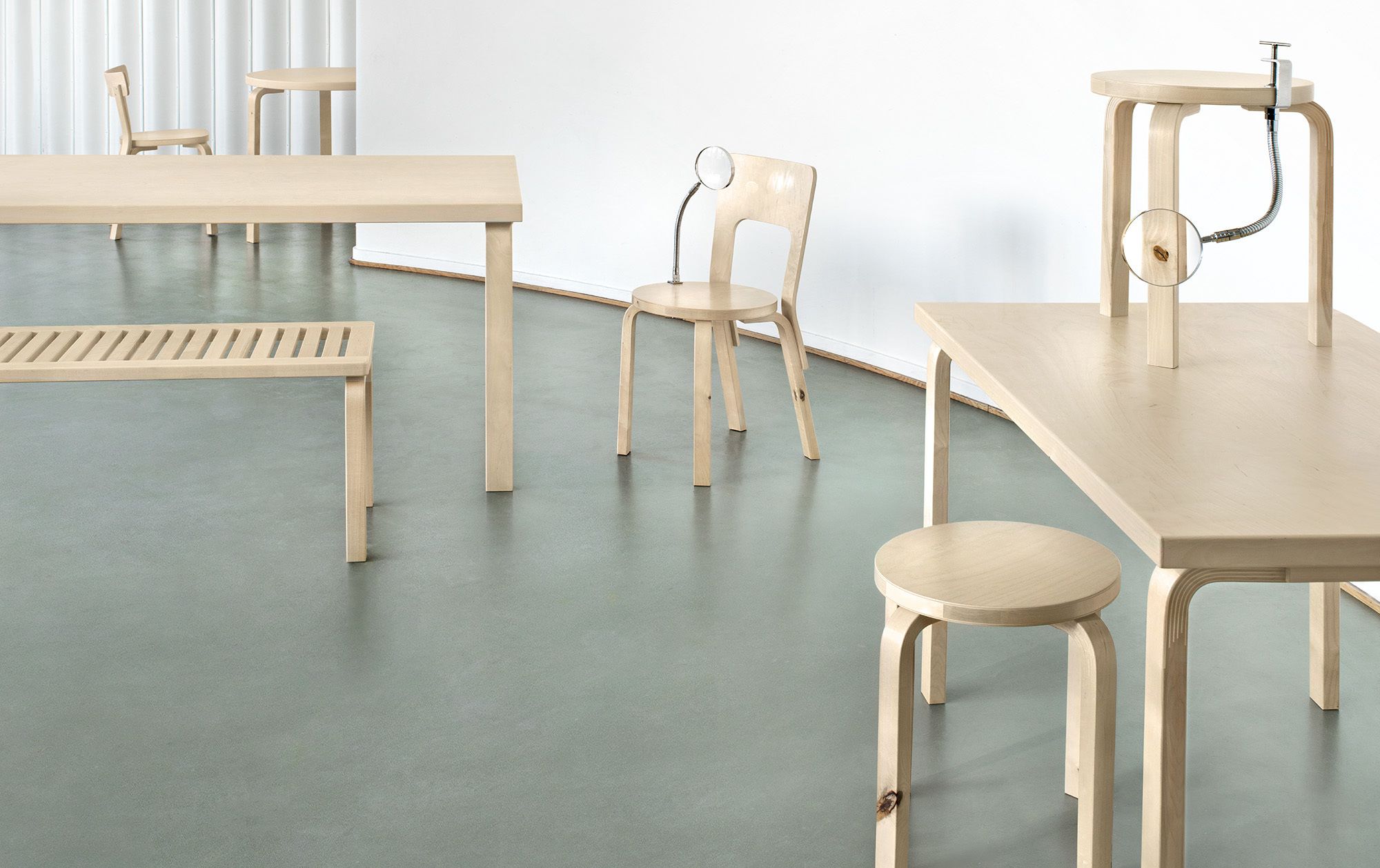
But Aalto’s most significant contribution came from his willingness to experiment with materials that other modernist designers had abandoned. While his contemporaries embraced tubular steel, Aalto returned to wood—specifically, plywood. His Turku workshop became a laboratory where he and Korhonen developed techniques for bending laminated wood into complex curves that were previously impossible.
The Artek Revolution
The founding of Artek in 1935 represented more than a business venture. Alongside partners Harry and Marie Gullichsen, Aalto created a vehicle for producing furniture that balanced industrial efficiency with craft tradition. The company name itself—a portmanteau of “art” and “technology”—declared Aalto’s belief that these disciplines need not oppose each other.
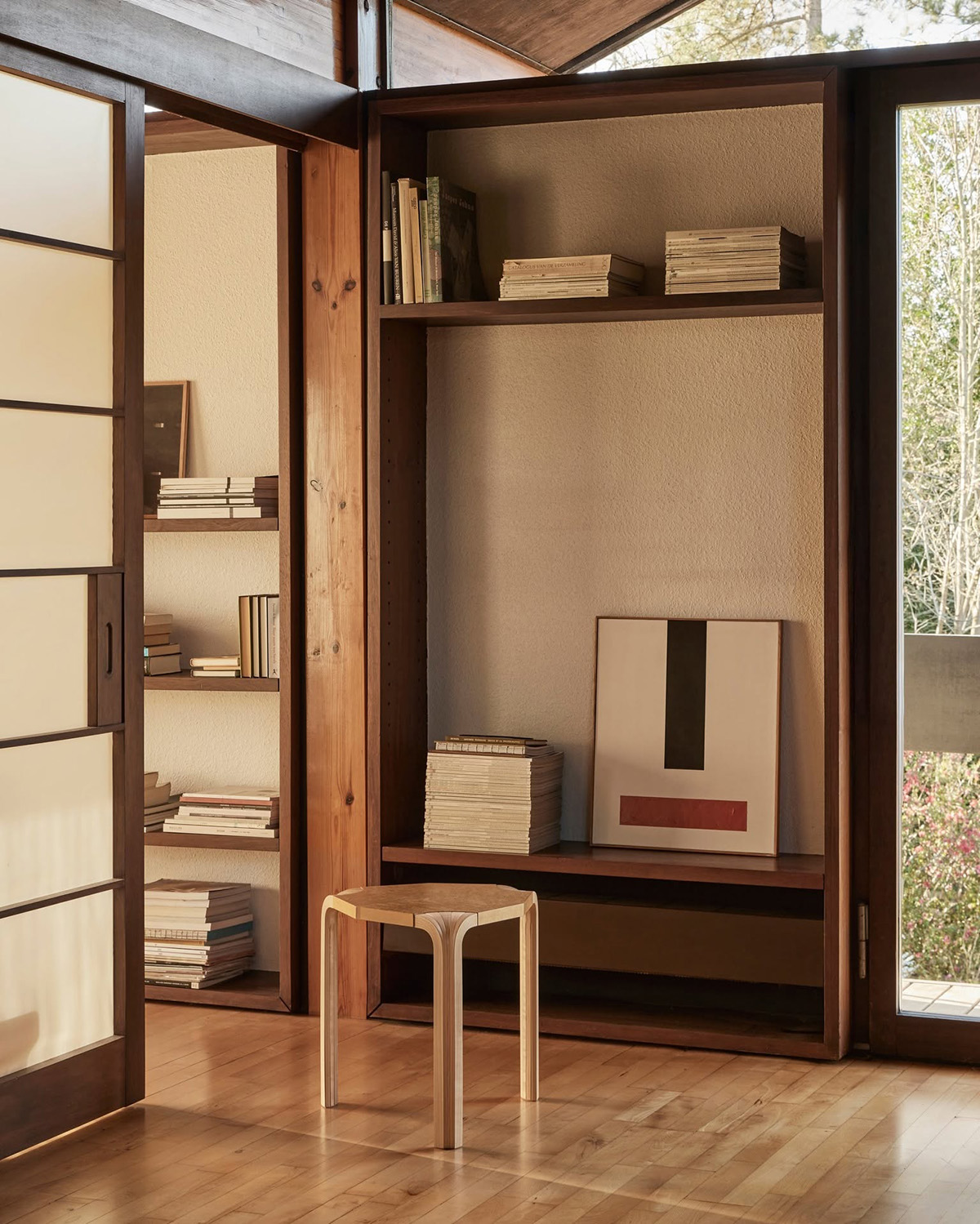
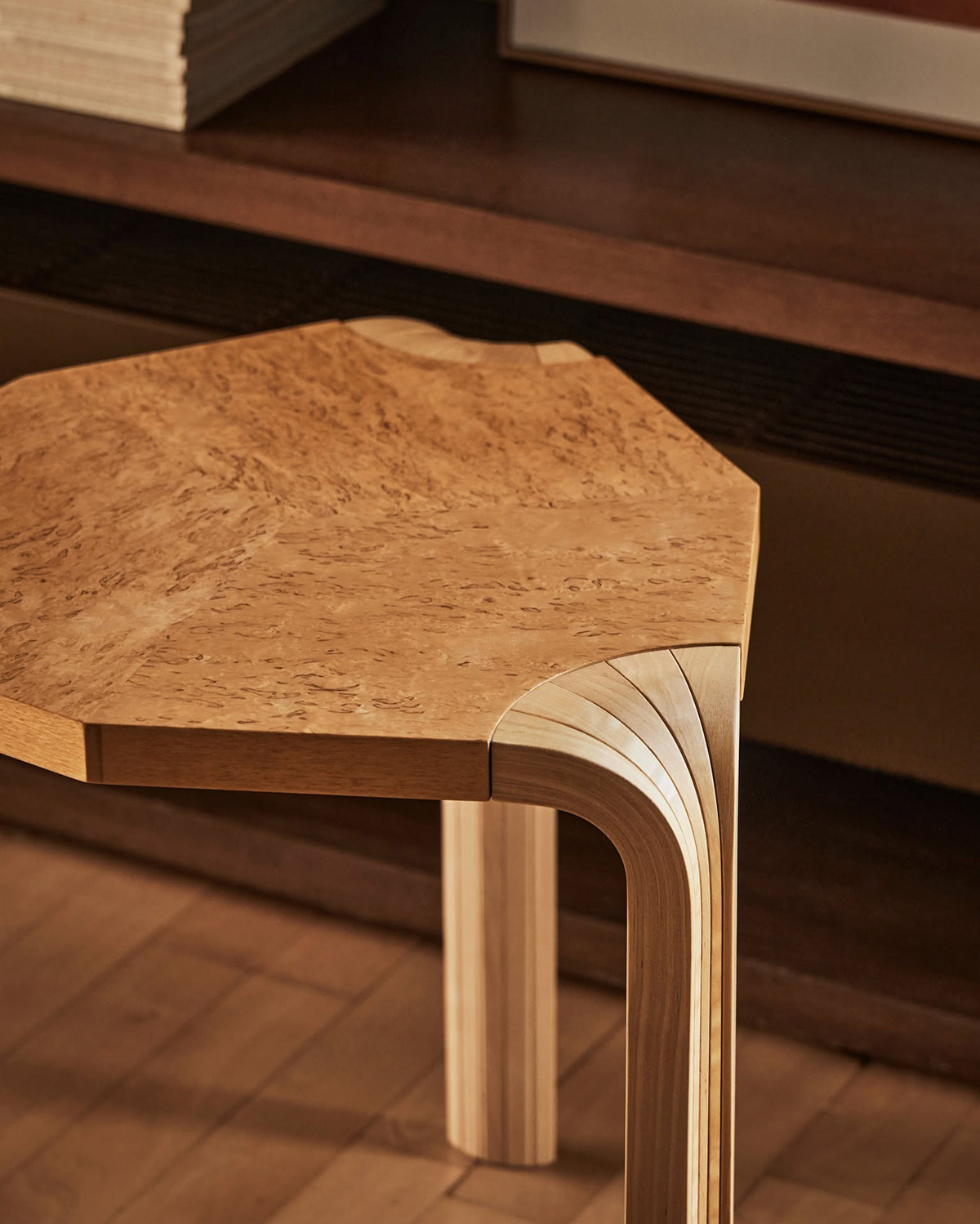
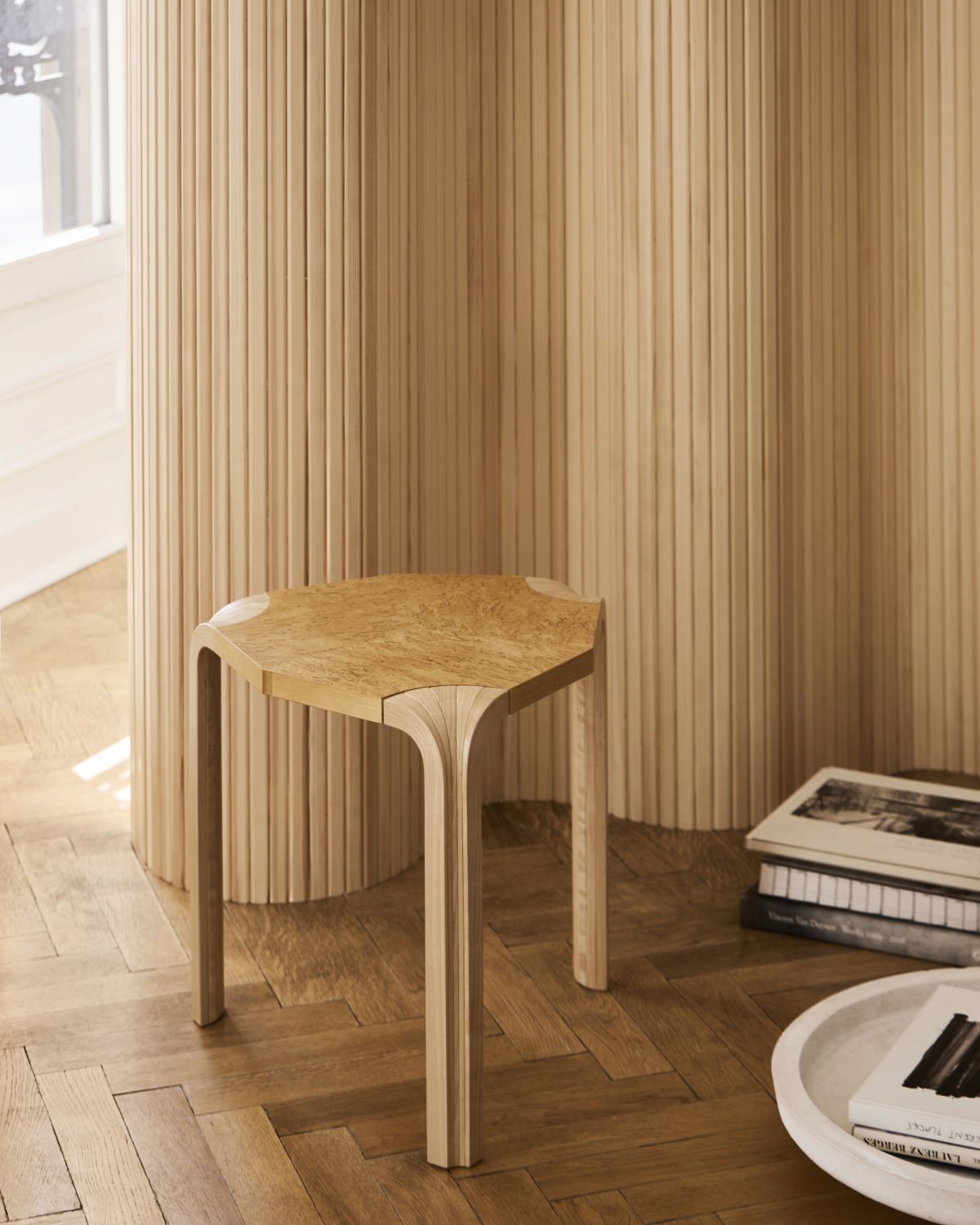
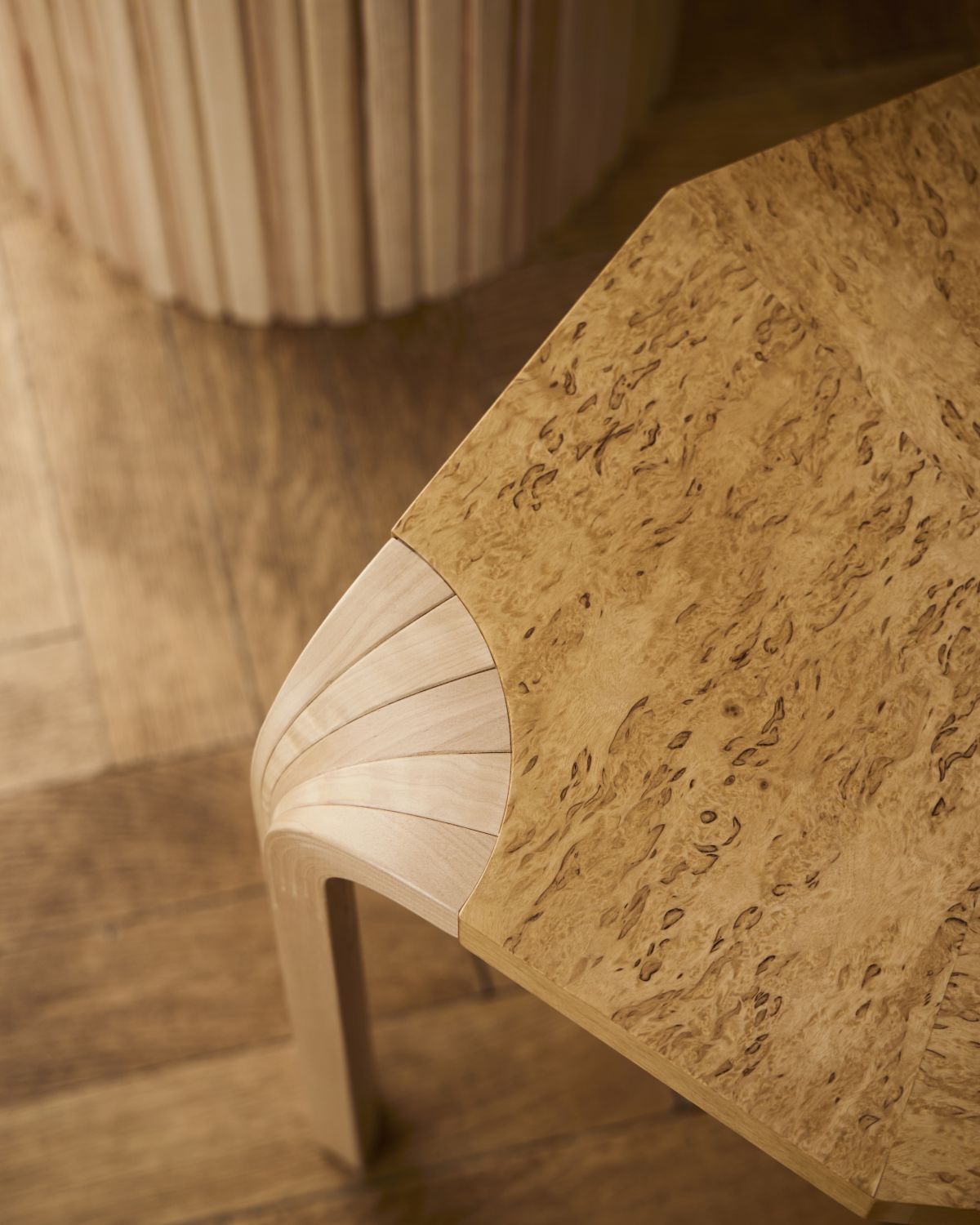
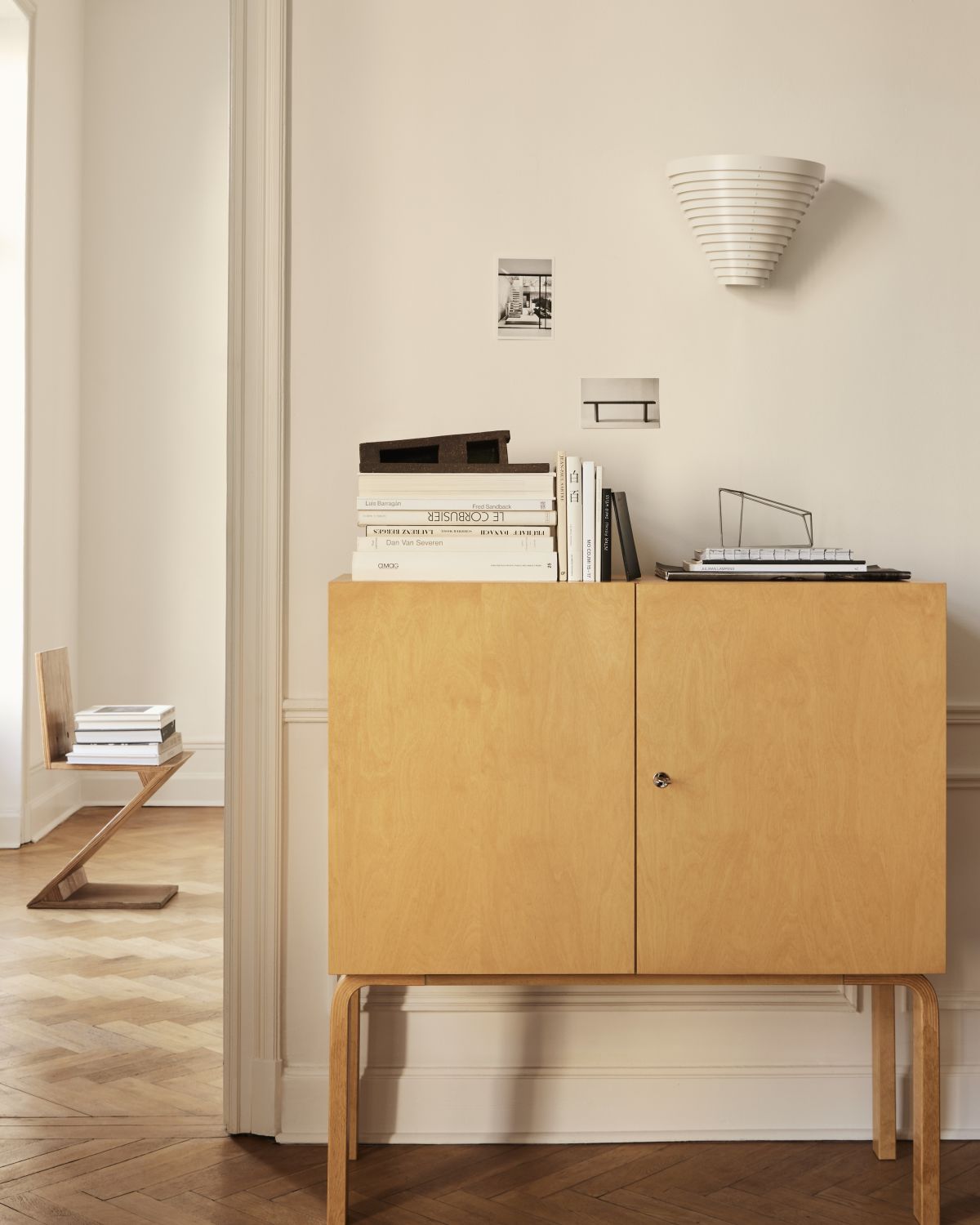
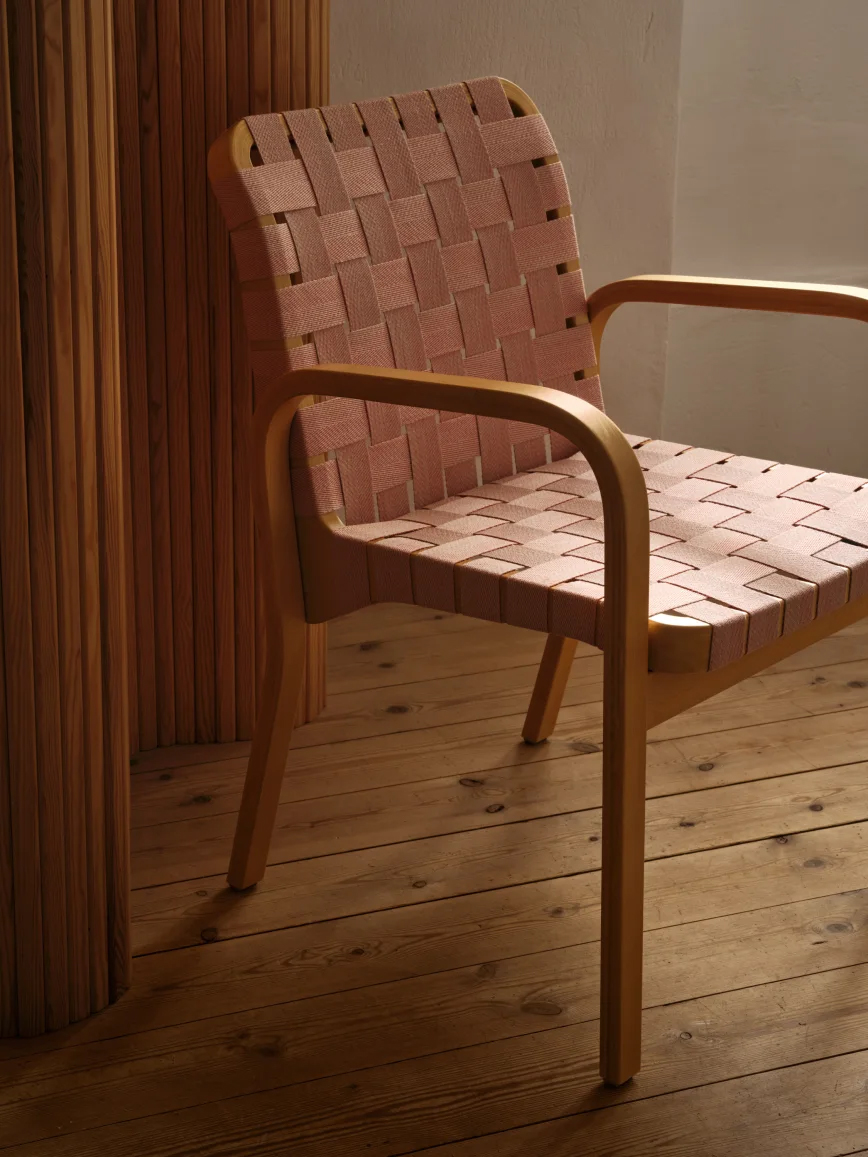
That same year, Aalto received his patent for the cantilevered wooden chair support. This was no minor technical achievement. Previous cantilevered chairs relied on tubular steel for their structural integrity. Aalto’s innovation allowed wood—warmer, more tactile, more human—to perform the same function. The result was furniture that felt simultaneously modern and timeless, industrial and handcrafted.
A Finnish Approach to Modernism
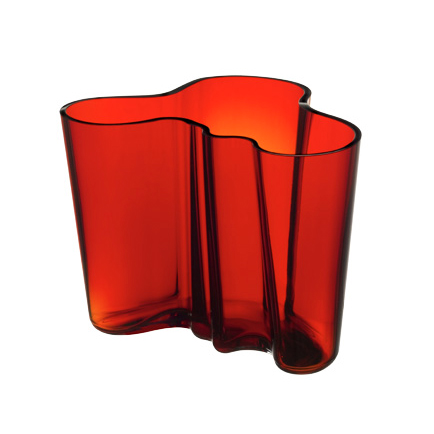
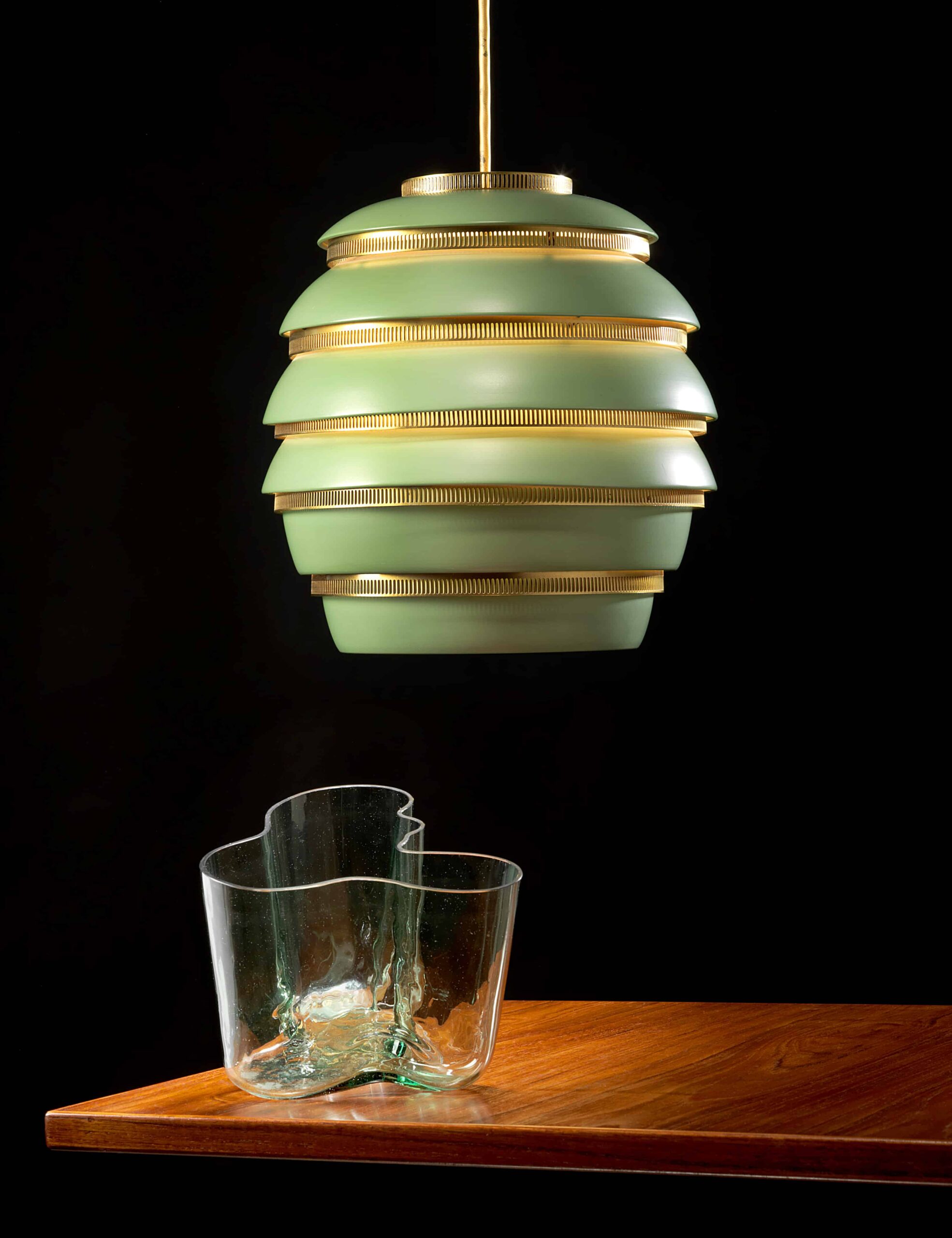
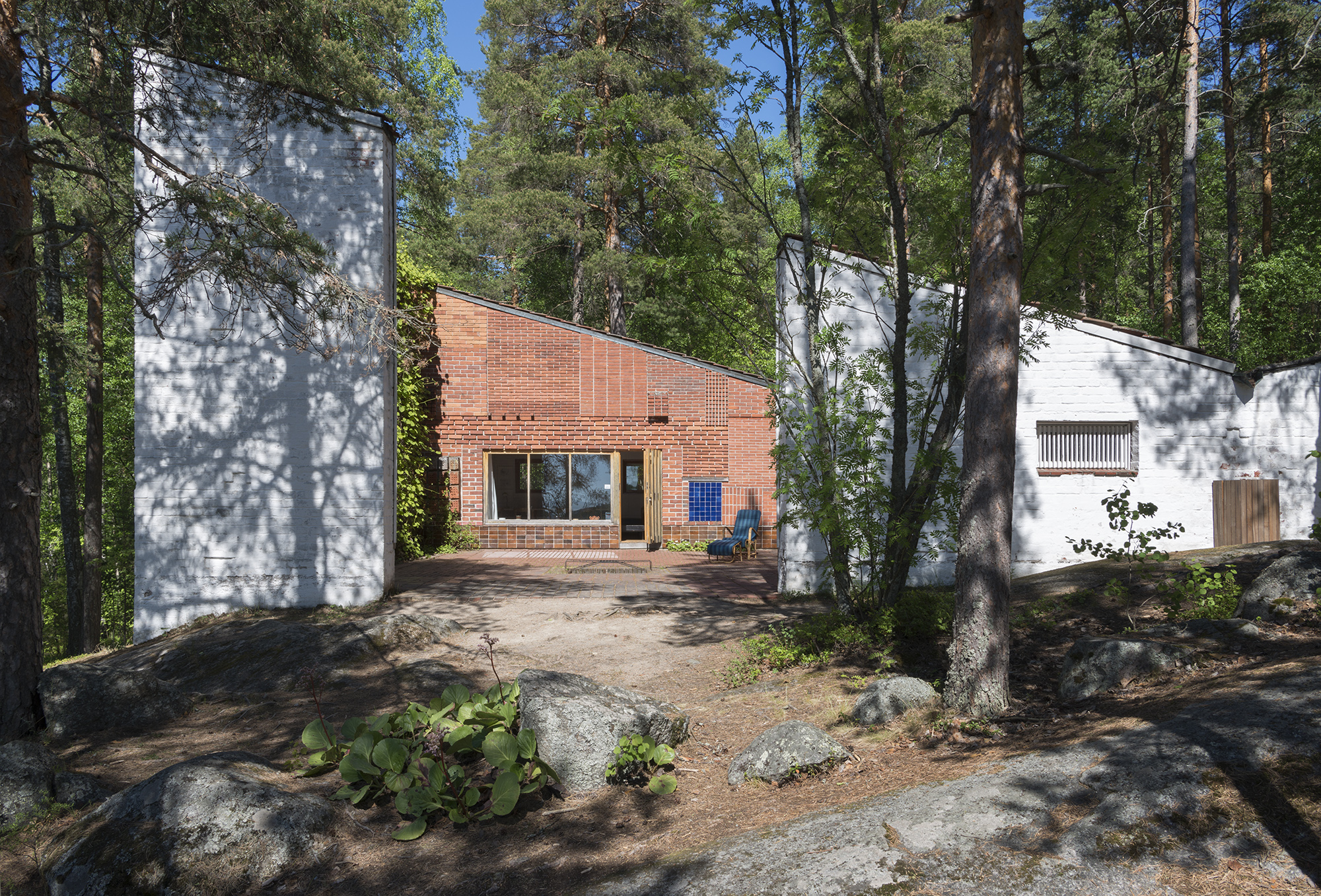
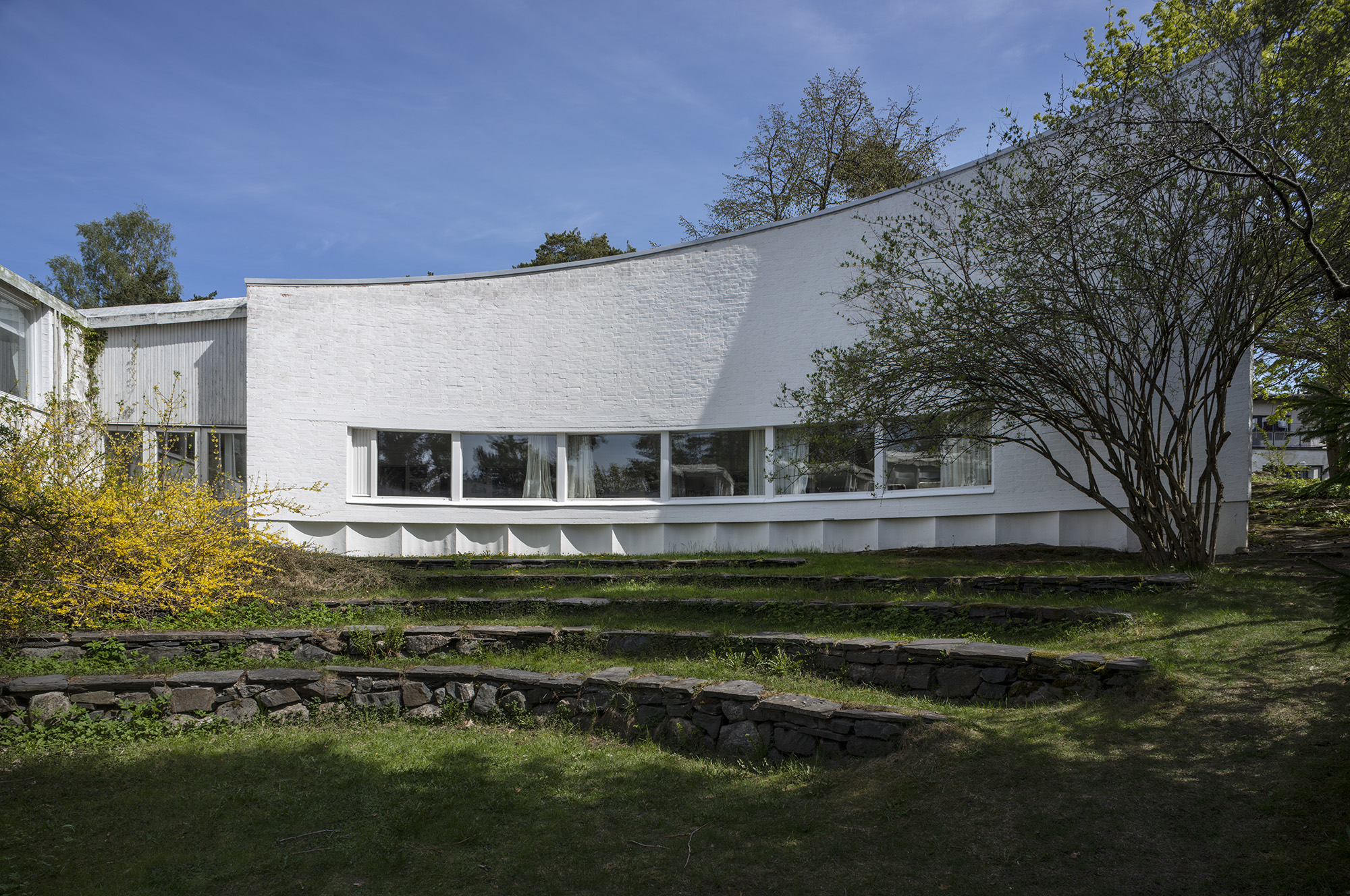
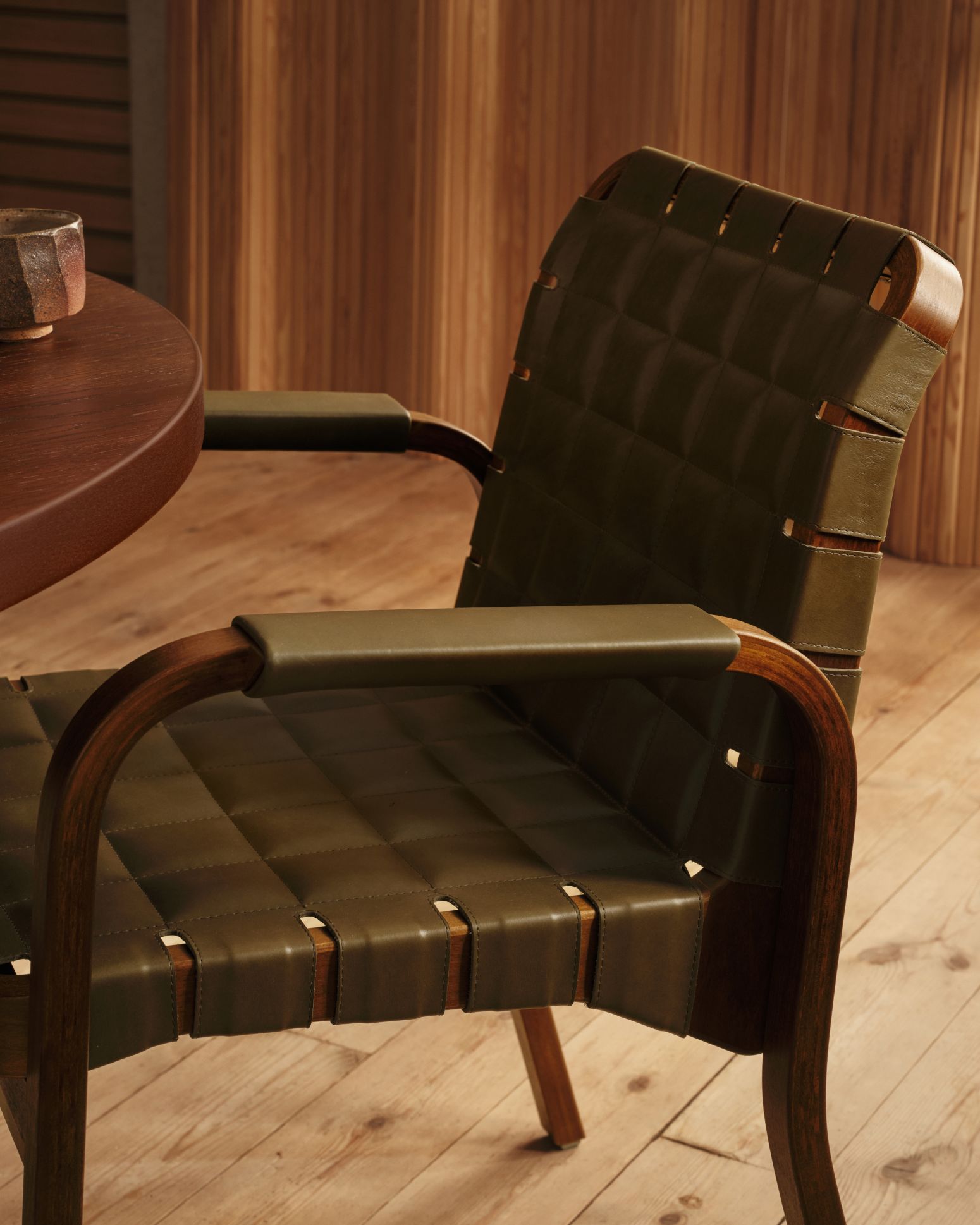
Aalto’s work differed fundamentally from the International Style emerging from Germany and the Netherlands. While those movements emphasized machine aesthetics and geometric purity, Aalto developed what might be called “organic modernism.” His furniture featured flowing curves that echoed natural forms. His architecture incorporated wood, brick, and other traditional materials alongside modern concrete and glass.
This wasn’t nostalgia or compromise. Aalto understood that modernism’s purpose was to improve human life, not to celebrate machines for their own sake. His furniture succeeded because it solved practical problems—it was comfortable, durable, and beautiful—while respecting both manufacturing efficiency and craft tradition.
The Technical University Years
Aalto’s education at Helsinki’s Technical University from 1916 to 1921 occurred during a pivotal moment in Finnish history. The country gained independence from Russia in 1917, during Aalto’s second year of study. This context shaped his understanding of design as nation-building. Finnish designers of his generation saw their work as contributing to a distinct national identity—modern and European, yet unmistakably Finnish.
His early work as an exhibition designer proved invaluable. Exhibitions required him to think about how visitors moved through space, how they noticed and understood objects, and how design could guide attention and create atmosphere. These lessons informed both his architecture and his furniture design throughout his career.
Legacy Through Manufacturing
Aalto died in 1976, but his designs remain in continuous production through Artek. This longevity speaks to something rare in furniture design: pieces that function equally well in 1935 and today. His bentwood chairs appear in homes, offices, and institutions worldwide, looking neither dated nor trendy, simply correct.
The experimental plywood workshop in Turku has long since closed, but its innovations persist. Aalto proved that industrial materials and methods could produce furniture with warmth and character. He demonstrated that modernism could honor tradition without copying it. And he showed that Finnish design could speak with its own voice while contributing to international modernism.
From a small workshop in Turku to Artek’s international success, Alvar Aalto’s journey illustrates how technical innovation, combined with respect for materials and human needs, creates design that endures.








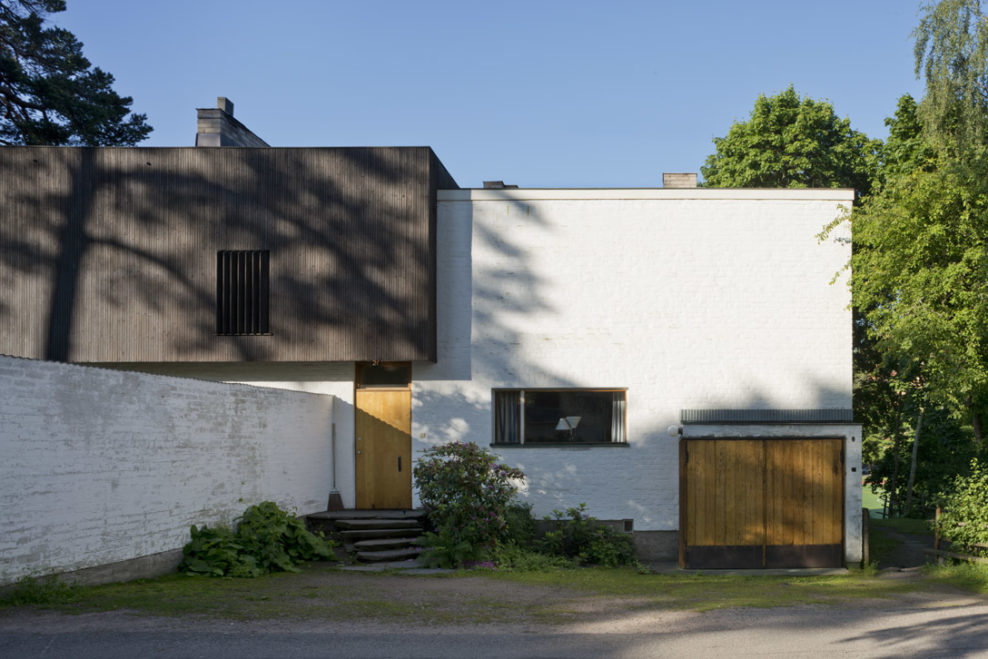
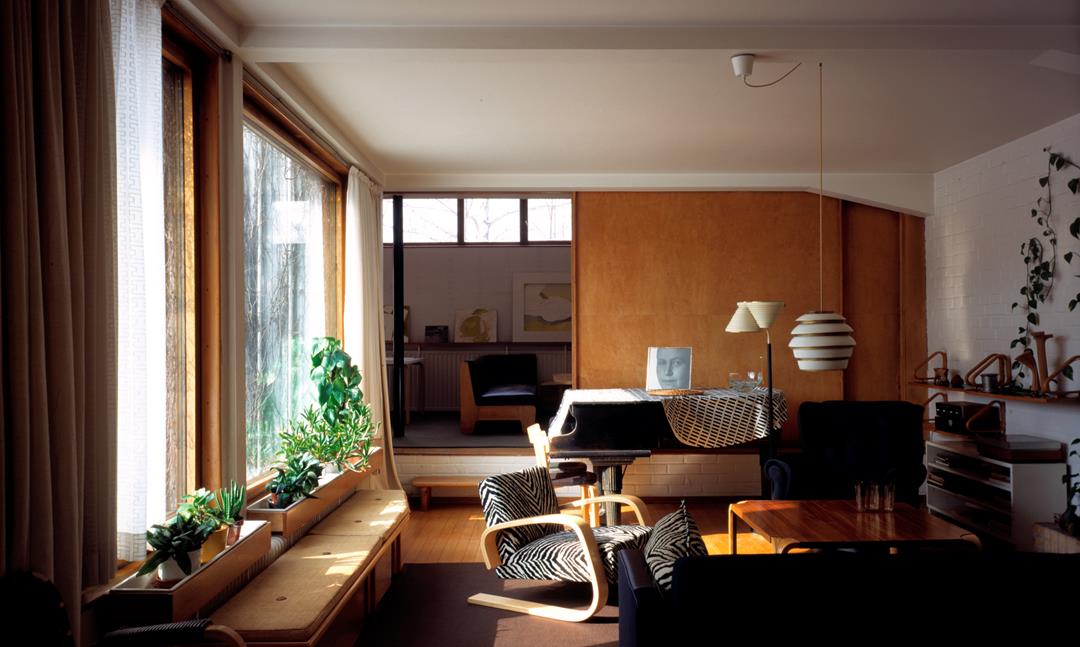
 Aalto2-museokeskus-Alvar-Aalto-museo-kuva-Maija-Holma-©-Alvar-Aalto-säätiö_DSC9736-Pano-1072×1536







More news design Alvar Aalto:
Artek presents Zebra – a classic textile in a new colourway
A softer interpretation broadens the textile’s appeal across upholstered furniture and lifestyle accessories. In Autumn …

Alvar Aalto Week 2026
Alvar Aalto Week is to take place in Oulu, European Capital of Culture 2026, on …

Paul Smith and Artek release a third limited-edition Stool 60
Artek Reimagined by Paul Smith, Edition 3 is out now Artek reimagined by Paul Smith …

Paimio Sanatorium becomes a UNESCO World Heritage Site
Paimio Sanatorium has been inscribed on the UNESCO World Heritage List as part of the …

Snøhetta reveals new masterplan for Paimio Sanatorium
As part of a new future vision for Aino and Alvar Aalto’s iconic masterpiece in …
Aalto Design – Shapes of Wellbeing @ Architecture & Design Museum Helsinki
Aalto Design – Shapes of Wellbeing 5.6.2026–3.1.2027 The exhibition invites visitors to explore Alvar, Aino and Elissa …
All design & news from Alvar Aalto: Bending Wood into Modernism →